Leave Your Message
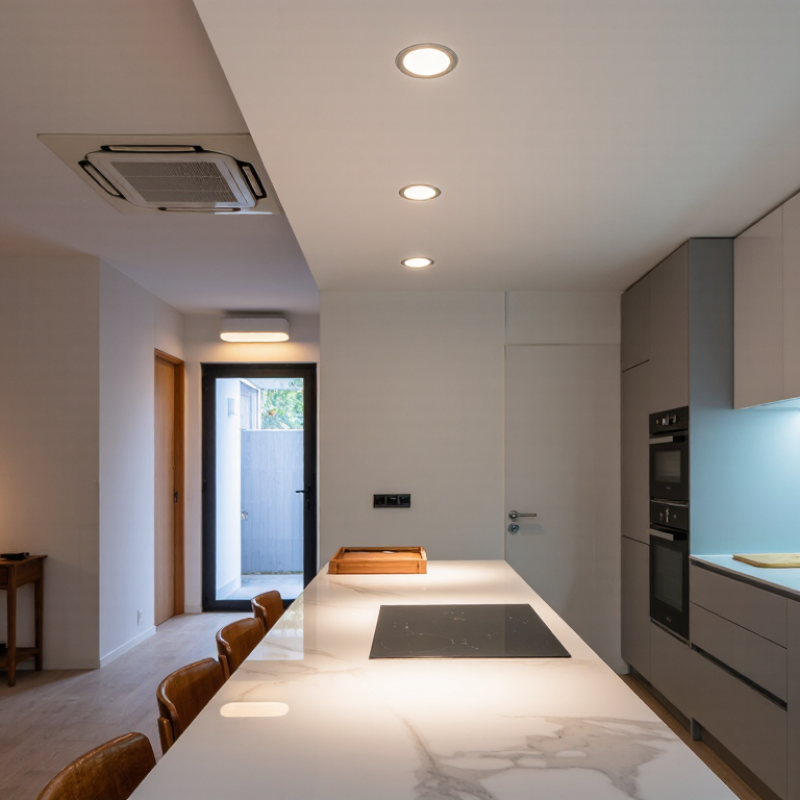
In 2026, the best type of LED Lighting depends on where it will be used, how the space feels, and what the fixture can support. There is no universal winner. A standard A19 LED bulb suits many table lamps and ceiling fixtures, while recessed downlights provide a cleaner look in kitchens and hallways. LED strips can add focused light under cabinets, but poor placement may create glare on glossy counters. Small details matter.
This guide compares common LED options by brightness, color quality, energy use, lifespan, and compatibility with dimmers. It also explains why a lumen rating is more useful than wattage when comparing light output, and why color temperature can make the same room feel warm or stark. For reading, cooking, or detailed work, check the product’s color-rendering information and test the light in the actual space when possible. A specification sheet cannot show every real-world effect.
For outdoor fixtures, look for products designed for exposure to weather and suitable for the intended location. Check installation requirements, too; an otherwise excellent lamp may flicker with an incompatible dimmer. Even experienced buyers can miss that. Rather than naming one product as best for everyone, this overview will help match the right LED type to each room, task, and budget, using practical criteria instead of marketing claims.
In 2026, the best LED type depends on the space and the job. A standard bulb is simple to replace and suits table lamps or ceiling fixtures. LED strips create a continuous line of light beneath cabinets, but their drivers and mounting surfaces affect the final result. Flat panels spread light evenly across offices and workshops. High-bay fixtures direct stronger light toward tall ceilings. Each design makes different trade-offs in glare, coverage, and installation.
Tips: Compare lumens, not watts, to judge light output. Check color temperature and color rendering before choosing; a cool white may feel harsh in a bedroom. Confirm that dimmers and fixtures are compatible. Small details matter.
For reading, a directed bulb can keep light on the page without brightening the whole room. In kitchens, strips can reduce shadows on countertops, though poor placement may reveal dots or uneven patches. Measure the space and note ceiling height before buying. One easy detail to miss is glare from glossy surfaces. It can be annoying, even when the brightness seems right.
| LED Lighting Type | Typical Design | Typical Efficacy | Typical Rated Life | Light Distribution | Best-Suited Applications | Key Considerations |
|---|---|---|---|---|---|---|
| A-Shaped Replacement Bulbs | Bulb-shaped lamp with a standard screw or bayonet base, designed to replace familiar incandescent bulbs. | About 80–110 lumens per watt | About 15,000–25,000 hours | Broad, general-purpose illumination; output and spread depend on the bulb shape and fixture. | Table lamps, enclosed household fixtures, ceiling fixtures, and general room lighting. | Check base type, brightness, color temperature, dimmer compatibility, and whether the bulb is rated for enclosed fixtures. |
| LED Tubes | Linear lamps made to replace fluorescent tubes or operate in purpose-designed LED fixtures. | About 100–150 lumens per watt | About 30,000–50,000 hours | Directional or broad linear output, depending on tube construction and fixture optics. | Offices, schools, workshops, garages, and other spaces with linear ceiling fixtures. | Confirm tube size and wiring compatibility. Some retrofits require ballast compatibility; others require ballast removal or direct wiring. |
| LED Panels | Thin, flat fixtures with a diffused luminous surface, commonly designed for grid or surface mounting. | About 90–130 lumens per watt | About 30,000–50,000 hours | Wide, relatively even light distribution across a room. | Offices, classrooms, healthcare spaces, and other areas needing uniform ambient lighting. | Choose the correct panel size, mounting method, glare performance, color temperature, and dimming control. |
| LED Downlights | Recessed or surface-mounted compact fixtures, often with integrated optics and a focused aperture. | About 70–110 lumens per watt | About 25,000–50,000 hours | Focused to medium-wide beam; beam angle varies by optic and fixture design. | Kitchens, corridors, bathrooms, retail spaces, and accent or general lighting. | Consider ceiling insulation and clearance, cutout size, glare, beam angle, damp-location rating, and dimmer compatibility. |
| LED High-Bay Fixtures | High-output industrial fixtures, often equipped with reflectors or lenses for mounting at substantial ceiling heights. | About 120–170 lumens per watt | About 50,000 hours or more, depending on design and operating conditions | Optics direct light toward work areas; beam options help suit different mounting heights and layouts. | Warehouses, factories, gymnasiums, and other large spaces with high ceilings. | Match light output and distribution to ceiling height and task needs. Check heat management, controls, and environmental ratings. |
| LED Strip or Tape Lights | Flexible or rigid linear circuit boards carrying small LEDs, usually installed in channels or concealed locations. | About 60–120 lumens per watt | About 25,000–50,000 hours | Continuous linear light; a diffuser or channel can soften visible points and reduce glare. | Cabinet lighting, coves, shelving, display details, and decorative accent lighting. | Check voltage, power supply capacity, cut points, heat dissipation, moisture rating, and whether a diffuser is needed. |
| LED Floodlights | Compact outdoor or indoor fixtures with a broad beam, often using a weather-resistant housing. | About 90–140 lumens per watt | About 25,000–50,000 hours | Wide-area illumination; beam spread and aiming determine coverage and spill light. | Building exteriors, entrances, parking areas, yards, and security lighting. | Check ingress protection, mounting and aiming, sensor or control options, glare, and local requirements for outdoor light spill. |
| How to choose: There is no single best LED type for every setting. Compare fixture-level efficacy, light distribution, color quality, rated life, dimming needs, installation compatibility, and the requirements of the space. Figures shown are typical ranges; actual performance varies by product, operating temperature, and test method. | ||||||