How to Choose the Best LED Lighting for Your Business?
LED Lighting has transformed the commercial space, offering energy efficiency and enhanced aesthetics. According to the U.S. Department of Energy, commercial buildings can save 30-50% on energy costs by switching to LED Lighting compared to traditional bulbs. This stat underscores the importance of making informed choices when selecting lighting solutions for your business.
Understanding the specific needs of your environment is crucial. For instance, different industries may require varying levels of brightness and color temperature. For retail spaces, warmer tones can create a welcoming atmosphere. On the other hand, industrial settings may benefit from cooler, brighter lights to improve productivity and safety. Moreover, many tend to overlook the long-term costs associated with lighting choices. While initial investments in quality LED Lighting may seem higher, the reduced maintenance and energy expenses can lead to significant savings over time.
However, the market is flooded with options, making the selection process daunting. Many business owners make mistakes, being swayed by flashy marketing without considering suitability. It is essential to assess both the functionality and ambiance needed in your space. A reflective approach will guide you in choosing the best LED Lighting that aligns with your business goals while ensuring efficiency and character.
Understanding the Importance of LED Lighting for Businesses
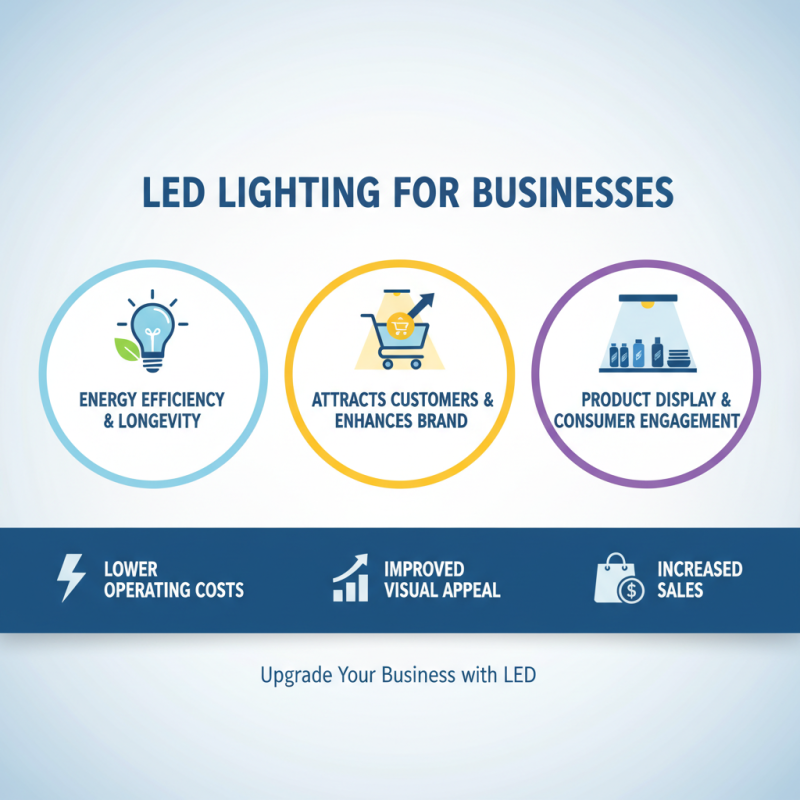
In today’s competitive market, lighting plays a crucial role in attracting customers and enhancing brand image. LED lighting offers businesses a way to achieve this with energy efficiency and longevity. It dramatically impacts how products are displayed, ultimately influencing consumer behavior. For instance, bright, focused lighting can highlight special features of merchandise, creating a more engaging shopping experience.
Moreover, the right LED lighting can improve employee productivity. Studies show that proper illumination contributes to better focus and morale in the workplace. A well-lit environment fosters creativity and reduces eye strain. However, not every business understands the full potential of LED lighting. Some may overlook the color temperature or placement of lights, leading to uninviting spaces.
Many businesses may find themselves second-guessing their lighting choices. Using dim or harsh lights can create an uncomfortable atmosphere. To maximize benefits, businesses should consider consulting lighting experts. A tailored approach ensures that the chosen lighting aligns with the company’s goals and aesthetics. This will not only enhance the environment but also lead to more satisfied customers and employees.
Identifying Your Business's Specific Lighting Needs
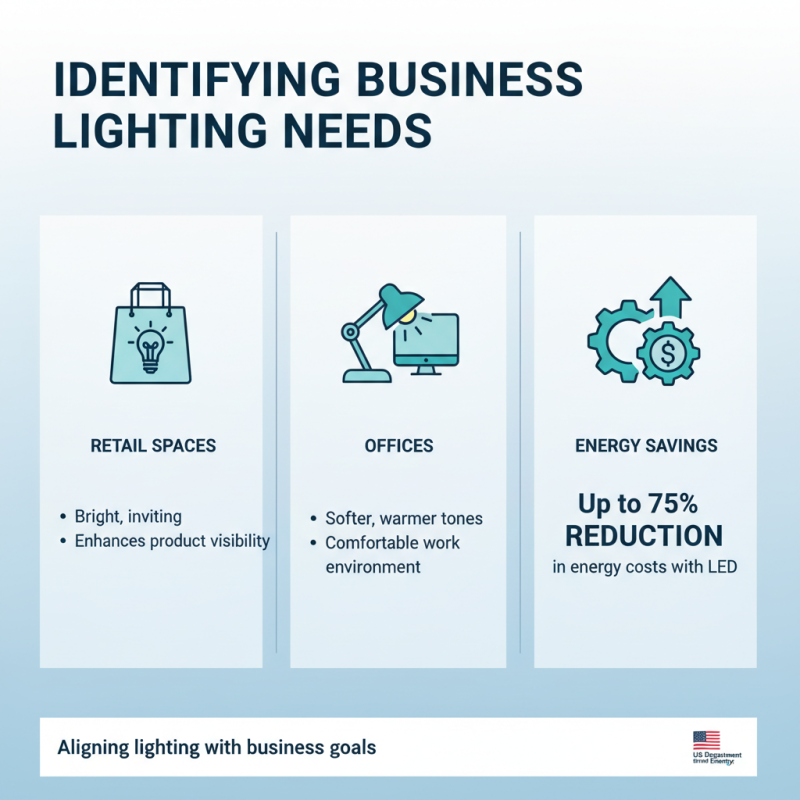
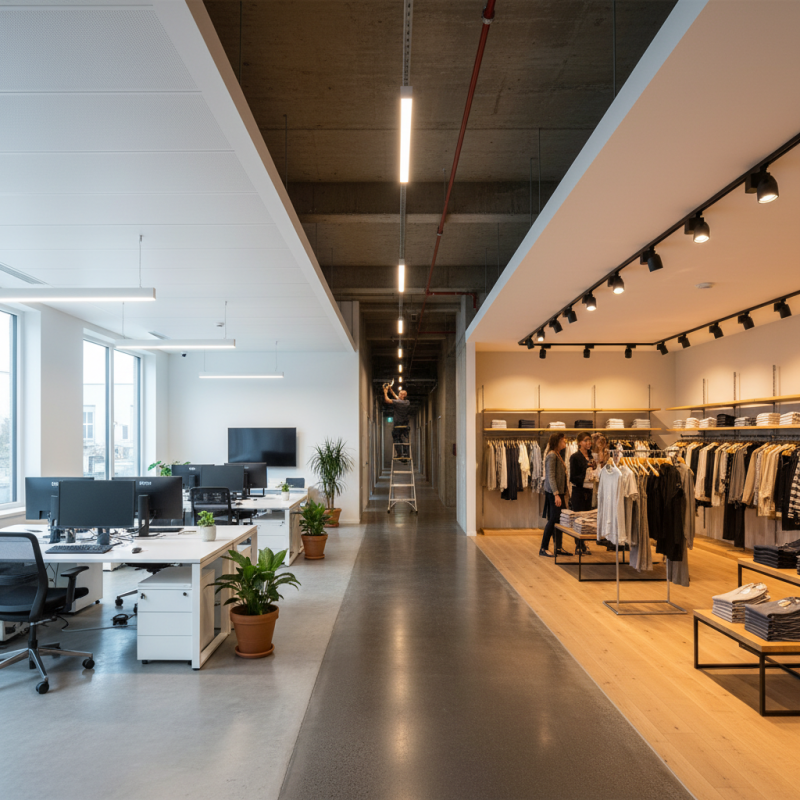
When choosing LED lighting for your business, understanding specific lighting needs is critical. Each business type demands different lighting solutions. For instance, retail spaces benefit from bright, inviting lights that enhance product visibility. In contrast, offices might require softer, warmer tones to create a comfortable work environment. According to a report by the U.S. Department of Energy, LED lights can reduce energy costs by up to 75%. This emphasizes the importance of aligning lighting choices with business goals.
Conducting a lighting audit can help identify your unique needs. Factors such as room size, color schemes, and the activities conducted in the space should be considered. The Illuminating Engineering Society recommends a minimum of 300 lux for general office work. However, areas requiring detailed tasks could need up to 1000 lux. Evaluating these standards against your specific environment can reveal significant gaps or overestimations in lighting requirements.
Additionally, consider the psychological effects of lighting. Bright lighting may energize staff but can also lead to discomfort if too harsh. A balanced approach is necessary. Depending on the feedback from your staff, adjustments may be necessary over time. Choosing the right LED lighting solution requires continuous evaluation and adaptation to changing needs.
Evaluating Energy Efficiency and Cost Savings of LED Options
LED lighting offers significant energy efficiency advantages for businesses. According to a report from the U.S. Department of Energy, LED bulbs use at least 75% less energy than incandescent lighting. This can lead to substantial cost savings. Businesses often overlook this when choosing lighting options. The long lifespan of LEDs, around 25,000 hours on average, further compounds these savings by reducing replacement and maintenance costs.
Consider the initial investment. While LEDs may have a higher upfront cost than traditional bulbs, the operational savings can outweigh this. A study by the Energy Trust of Oregon found that businesses may save over $3,000 per year by switching to LED lighting. Such figures highlight the importance of evaluating energy efficiency alongside cost considerations. Nonetheless, businesses should conduct a thorough cost-benefit analysis before making a decision. Every facility has unique needs, and a one-size-fits-all approach may not provide the best outcomes.
Understanding the complete picture requires careful reflection. Are businesses prioritizing short-term savings over long-term benefits? Will the initial expenditure translate into real energy and cost savings? These are vital questions. Industry data merits attention, as it shines a light on where true value lies.
Comparing Different LED Styles and Color Temperatures
Choosing the right LED lighting for your business can greatly affect mood and productivity. Color temperature plays a crucial role in this decision. LED lights come in various color temperatures, measured in Kelvins (K). Warm white options, around 2700K, create a cozy atmosphere. These are often suitable for restaurants or retail shops aiming for a welcoming environment.
On the other hand, cool white lights, around 4000K to 5000K, provide a more clinical look. These lights can enhance focus and are ideal for offices or workspaces. Consider how different styles, such as recessed lighting or pendant fixtures, interact with the color temperature. Each combination can evoke different feelings and responses.
It’s worth noting that not every LED style will fit seamlessly into your space. Some designs may clash with existing decor or produce unwanted shadows. Testing out samples before committing can help prevent unexpected outcomes. Creating the perfect lighting setup requires thoughtful consideration and sometimes a bit of trial and error. Be open to adjusting until you achieve the right balance.
This chart compares typical energy efficiency and color rendering index (CRI) values for common LED color temperatures used in business environments. Warm white LEDs excel in color fidelity, while cool white LEDs offer higher energy efficiency, suitable for task-oriented lighting. Neutral white provides a balance between both metrics, making it a versatile choice for many commercial applications.
Tips for Installation and Maintenance of LED Lighting Systems
When installing LED lighting systems for your business, proper attention to detail is crucial. Studies show that 80% of businesses report energy savings after switching to LEDs. Yet, installation mistakes can negate these advantages. Ensure you assess your space. Measure ceiling heights and layout. It helps you select the proper fixture type, whether recessed, surface-mounted, or pendant lights.
Maintenance of LED systems is often overlooked. Regular cleaning and inspection can extend the lifespan of LED lights. Dust can accumulate quickly, affecting light output. A simple monthly wipe can improve efficiency. Additionally, monitor the performance of the lights. If you notice flickering or dimming, it might indicate underlying issues. Addressing these problems early can prevent costly replacements.
Professional installation can enhance your LED lighting effectiveness. According to industry reports, around 70% of users emphasize that hiring trained experts improves performance. DIY can save money initially but could lead to more significant future expenses. Investing in expert installation and maintenance pays off long-term, ensuring your lighting systems perform optimally.