Leave Your Message

Why Choose Glass Tube for Global Sourcing?

Global sourcing decisions increasingly depend on safety, consistency, and measurable sustainability. Glass Tube packaging addresses these priorities with a chemically stable surface, strong product visibility, and high heat resistance. It supports pharmaceutical, cosmetic, laboratory, and specialty food applications. However, it is not automatically the best choice for every shipment.

Grand View Research estimated the global glass packaging market at approximately USD 65.5 billion in 2022. Its report also projects a compound annual growth rate of about 4.3% from 2023 to 2030. These figures indicate sustained demand, especially where product protection and recyclability influence purchasing decisions. Smithers also identifies pharmaceutical packaging as a sector requiring tighter quality control, traceability, and material performance. A reliable Glass Tube supplier should therefore provide dimensional reports, thermal-shock testing, defect inspection, and documented batch records.

The sustainability argument is practical. Dave Dalton, former chief executive of British Glass, stated, “Glass is a 100% recyclable material and can be recycled endlessly without loss of quality.” That circular potential matters when sourcing teams measure packaging waste. Still, global transport adds weight and emissions. No material is perfect. Buyers should compare shipping distance, tube thickness, breakage rates, and local recycling systems. A clear specification is essential. Supplier audits, sample testing, and transparent certificates reduce costly surprises. Glass Tube sourcing becomes stronger when environmental claims meet real production evidence, not attractive promises.

Why Choose Glass Tube for Global Sourcing?

What Is a Glass Tube and How Is It Used in Global Sourcing?

A glass tube is a hollow, continuous piece of glass supplied in set diameters and wall thicknesses, then cut, shaped, or sealed for a specific job. Buyers source it for laboratory equipment, lighting, scientific instruments, and pharmaceutical packaging. The glass type matters: borosilicate handles rapid temperature changes better than ordinary soda-lime glass, while dimensions affect fit, breakage risk, and processing costs. Small differences matter.

Global sourcing begins with the intended use. A buyer may specify outer diameter, wall thickness, length tolerance, surface finish, and thermal or chemical performance. Suppliers can then quote comparable products and explain how they control consistency between production batches. For context, the U.S. Geological Survey’s Mineral Commodity Summaries 2024 estimated U.S. industrial sand and gravel production at about 120 million metric tons in 2023. Silica is a key glassmaking ingredient, but raw-material availability alone does not guarantee suitable tubing.

Before placing an order, request samples, dimensional inspection records, and test information relevant to the application. Confirm packaging details too: tubes need separators or protective sleeves to reduce transit damage. A technically correct tube can still arrive unusable if cartons shift during shipping. Specifications are never perfect; early sample checks can expose assumptions that looked fine on paper.

Why Choose Glass Tube for Global Sourcing?

Typical linear thermal expansion coefficients of common glass types

Lower thermal expansion generally means less dimensional change when temperature shifts. Borosilicate glass is commonly used for laboratory tubing and other applications requiring good thermal-shock resistance; fused silica has an even lower expansion coefficient for specialized uses. When sourcing glass tubes internationally, confirm the glass type and specify dimensions, tolerances, and application requirements. Values shown are typical and may vary by composition.

Which Glass Tube Materials and Designs Meet Different Applications?

Material choice shapes a glass tube’s performance, processing cost, and suitability for its contents. Borosilicate glass resists thermal shock and chemical attack, making it a common choice for laboratory tubes and pharmaceutical packaging. Soda-lime glass costs less and suits many lighting, display, and general-purpose applications, but it handles rapid temperature changes less well. Small differences matter. A tube near a hot instrument may need a different wall thickness from one used for ambient storage.

Design matters just as much. Thin walls reduce weight, while thicker walls can improve strength but add material and shipping cost. Clear glass supports visual inspection; amber glass helps limit light exposure for sensitive contents. Grand View Research valued the global glass packaging market at about USD 64.3 billion in 2023, reflecting broad demand for glass formats, though this figure does not isolate glass tubing. For procurement, confirm dimensions, tolerances, thermal conditions, and chemical compatibility with the supplier. Ask for relevant test data, not only a material description. Even then, specifications can miss real handling conditions. A tube that performs well in a controlled test may still chip during packing or transport.

Why Choose Glass Tube for Global Sourcing? — Which Glass Tube Materials and Designs Meet Different Applications?

Material or Design Typical Characteristics Common Applications Sourcing Considerations
Borosilicate glass tube Low thermal expansion and good resistance to many chemicals; available in clear and colored forms. Laboratory apparatus, chemical process equipment, sight glasses, and some pharmaceutical packaging components. Specify the applicable glass standard or grade, dimensions, annealing requirements, and compatibility with the intended process.
Soda-lime glass tube Widely used, economical glass with good transparency; generally less resistant to thermal shock than borosilicate glass. Lighting, display components, general-purpose containers, and decorative or protective tubing. Compare wall thickness, dimensional tolerances, surface quality, and suitability for operating temperature changes.
Fused silica / fused quartz tube High-purity silica with very low thermal expansion and strong performance at elevated temperatures; optical transmission depends on grade and wavelength. High-temperature furnaces, semiconductor processes, analytical instruments, and selected optical or UV applications. Confirm purity, hydroxyl content where relevant, transmission range, temperature conditions, and whether the specification calls for fused silica or natural quartz.
Aluminosilicate glass tube Formulated for strength and thermal performance; properties vary by composition and manufacturing process. Protective covers, specialty lighting, sensor housings, and applications requiring a combination of mechanical and thermal performance. Request composition or grade details and test data relevant to the required strength, temperature, and chemical environment.
Clear, colored, or coated tube Appearance and light transmission can be adjusted through the glass composition, surface coating, or finishing process. Lighting, visual indicators, protective sleeves, and products requiring light filtering or identification. Define color references, coating location and durability, optical requirements, and any applicable regulatory restrictions.
Straight, cut-to-length tube A simple cylindrical format that can be supplied in standard or custom lengths with specified end finishes. Laboratory use, lighting assemblies, protective sleeves, and general industrial components. State inner and outer diameter, length, tolerances, end condition, edge treatment, and packaging needs.
Capillary or precision-bore tube Small bore and controlled dimensions support precise fluid handling or instrument assembly. Analytical instruments, fluid transfer, scientific equipment, and specialized sensors. Agree on bore and concentricity tolerances, inspection methods, cleanliness, and acceptable dimensional variation.
Formed, bent, or end-finished tube Can incorporate bends, flared ends, reduced sections, or other formed features to suit an assembly. Custom laboratory apparatus, fluid pathways, lighting components, and equipment assemblies. Provide drawings with tolerances, bend geometry, joint requirements, and inspection criteria; validate samples before production.
Why source globally? A broader supplier base can offer more material options, production capabilities, and capacity choices. Useful when local supply does not meet a project's technical, volume, or customization requirements. Evaluate samples, quality documentation, lead times, shipping protection, import requirements, and total landed cost—not unit price alone.

Material suitability depends on the exact glass composition, dimensions, manufacturing quality, operating conditions, and applicable standards. Confirm critical requirements with the supplier before ordering.

How Does Glass Tube Quality Affect International Purchasing?

Why Choose Glass Tube for Global Sourcing?

How Does Glass Tube Quality Affect International Purchasing?

Glass tube quality can shape the cost and reliability of an international purchase long before goods reach a warehouse. Consistent wall thickness helps tubes resist cracking during cutting, packing, and transit. Clear surfaces also make scratches, bubbles, and inclusions easier to spot during inspection. Small defects matter. A shipment that looks acceptable from the outside may still contain tubes with uneven ends or poor dimensional consistency.

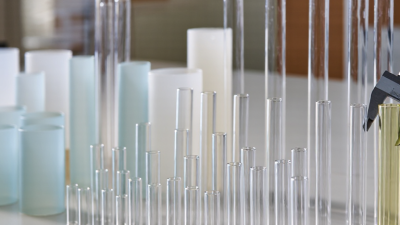
For buyers, reliable specifications reduce avoidable disputes. Confirm outer diameter, length tolerance, glass type, and packaging method before placing an order. Ask for sample measurements and inspection records, then compare them with the production batch. In practice, a simple caliper check and a visual review under steady lighting can catch problems early. Yet no inspection method catches everything. That limitation deserves honest attention.

Quality also affects planning across borders. Tubes packed in divided trays or protective sleeves are less likely to collide during long journeys. Accurate labeling helps receiving teams match sizes to purchase documents without reopening every carton. If quality varies between batches, buyers may face delays, extra sorting, or unused stock. A supplier’s clear answers about testing, packaging, and defect handling can therefore be as important as a low quoted price.

What Are the Cost, Supply, and Logistics Benefits of Glass Tubes?

Glass tubes can support global sourcing when buyers compare the full delivered cost, not just the unit price. Standard diameters and wall thicknesses are often easier to quote and replenish than highly customized designs. Ask suppliers for tolerances, sample measurements, and packing details before approving a large order. Small differences matter.

Freight costs depend on more than weight. Glass is dense, while protective cartons and dividers take up space. Tubes packed in snug trays may reduce movement, but add packaging volume. Request photos of a packed sample and confirm how damaged pieces are reported. A low quotation can lose its appeal after breakage or replacement delays.

Supply planning also benefits from clear specifications. Include length, diameter, edge finish, quantity, and acceptable variation in the purchase document. Suppliers may offer different lead times for standard and custom sizes, so confirm availability for repeat orders rather than relying on a single shipment. Keep a modest buffer for transit delays. It may tie up cash, and the right amount is not always obvious. Compare quotations using the same shipping terms, packaging assumptions, and inspection criteria; otherwise, the cheapest option may not be the best value.

How Can Buyers Choose a Reliable Global Glass Tube Supplier?

Why Choose Glass Tube for Global Sourcing?

How Can Buyers Choose a Reliable Global Glass Tube Supplier?

Choosing a reliable glass tube supplier takes more than comparing prices. Start with the intended use, required dimensions, glass type, and operating conditions. Ask for technical drawings and sample tubes. Measure the outer diameter, wall thickness, and length with suitable tools, then check for chips, bubbles, and uneven edges. Small variations matter. They can affect assembly or performance.

A capable supplier should explain how products are inspected and how specifications are recorded for repeat orders. Request recent quality documents, production details, and clear answers about tolerances. If a supplier cannot explain how a measurement is taken, pause and ask again. Communication is part of quality. So is packaging: tubes need separators and firm cartons to reduce breakage during transit.

Before placing a large order, test a small batch in your actual process. Check whether the tubes fit, handle, and clean as expected. Discuss lead times, packing methods, and how shortages or damaged goods are handled. One imperfect sample does not always tell the whole story, but repeated defects deserve attention. Reliable sourcing comes from evidence, careful questions, and realistic expectations—not promises alone.