Top 10 Metal Wire Types for Your Manufacturing Needs?
When it comes to manufacturing, choosing the right material is crucial. Metal wire is a versatile option used in various industries. Its strength, flexibility, and conductivity make it a go-to for many applications. However, with so many types of metal wire available, it can be overwhelming to decide which one is best for your needs.
Different projects require different specifications. Factors such as tensile strength, corrosion resistance, and weight play vital roles in the selection process. Not all metal wires are created equal. Some perform better in specific environments. This diversity can lead to confusion if not approached methodically. Understanding the unique properties of each wire type is essential for making an informed choice.
In this exploration, we will delve into the top 10 metal wire types suited for varied manufacturing needs. By highlighting their characteristics and applications, you will gain valuable insights. This knowledge is necessary for ensuring both efficiency and quality in your projects, even if it requires ongoing evaluation of your choices.
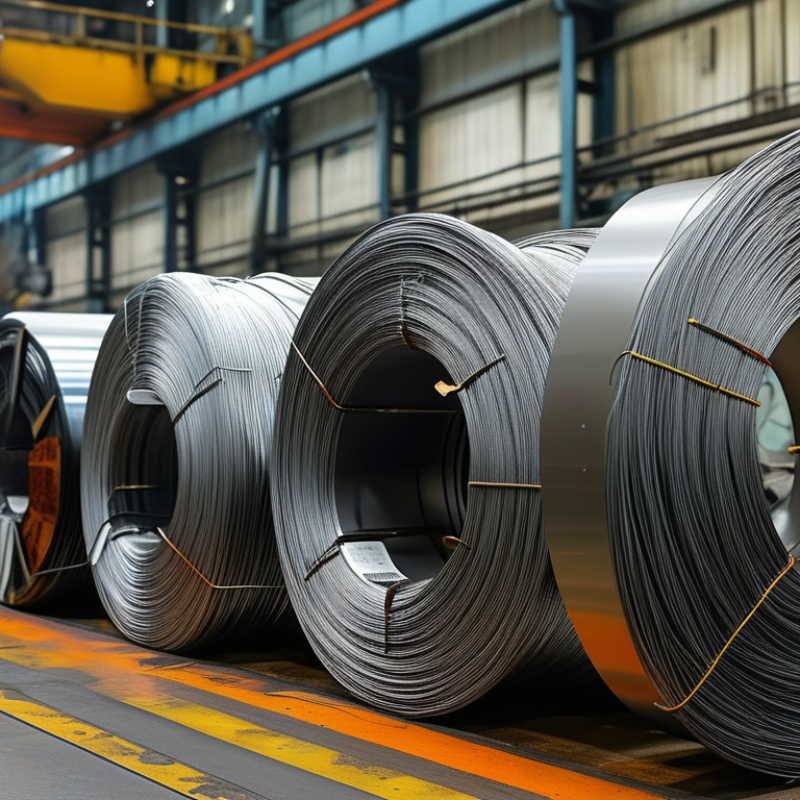
Top 10 Metal Wire Types for Your Manufacturing Needs
Choosing the right metal wire type is essential for effective manufacturing. Different wire types offer unique properties tailored to specific needs.
For instance, stainless steel wire is known for its corrosion resistance and strength. It is ideal for applications requiring durability, like in the automotive industry.
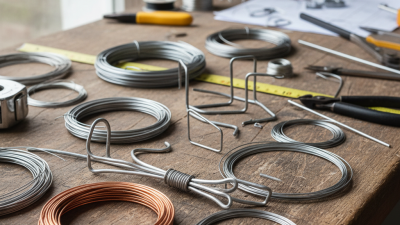
Copper wire excels in conductivity, making it perfect for electrical applications.
Another popular choice is aluminum wire, which is lightweight and resistant to corrosion. Its affordability makes it a go-to option for many projects.
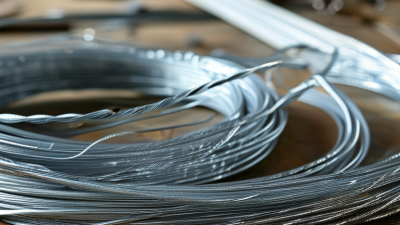
Galvanized wire, coated for protection, is commonly used in construction and fencing. Each wire type has pros and cons, depending on your specific project requirements.
Manufacturers often face difficulties in determining the best wire type. Some may overlook important properties, such as tensile strength or thermal conductivity.
Evaluating the specific application and environment is crucial. Furthermore, the selection process could be improved with expert guidance. With the right information, manufacturers can enhance their operations.
Understanding the Properties of Steel Wire in Manufacturing Applications
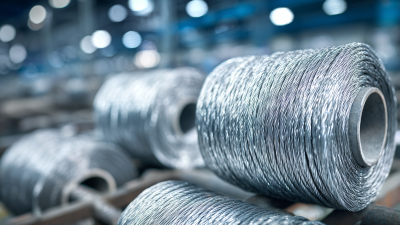
When considering steel wire for manufacturing, understanding its properties is crucial. Steel wire is valued for its tensile strength and flexibility. According to the Steel Manufacturers Association, high tensile steel wire can achieve a tensile strength of up to 200,000 psi. This makes it ideal for applications that require strength under tension, like springs and cable assemblies.
Moreover, corrosion resistance can play a significant role in material choice. The Society of Automotive Engineers reports that galvanized steel wire has a higher longevity in outdoor applications. This wire type provides an additional layer of protection against environmental factors. Yet, it often requires regular inspections to ensure it remains effective over time.
Manufacturers also face challenges when selecting wire types, as not all steel wires are created equal. Different grades offer varying levels of ductility and hardness. For instance, wire used in construction needs more toughness, while wires in electronic applications may need finer diameters and flexibility. Choosing the right grade is not straightforward; it requires thorough knowledge of specific project requirements.
Comparing the Strength and Versatility of Stainless Steel Wire Types
When evaluating the strength and versatility of stainless steel wire types, one must consider specific grades and their applications. According to a report by the Materials Research Society, stainless steel wire exhibits remarkable resistance to corrosion and tensile strength. For example, AISI 304 stainless steel offers a tensile strength up to 600 MPa. This grade is widely used in manufacturing due to its excellent formability and weldability. In contrast, AISI 316 stainless steel, known for its enhanced corrosion resistance, has a tensile strength exceeding 700 MPa, making it suitable for marine and chemical environments.
Moreover, stainless steel wire provides diverse shapes and sizes, from round to square and flat configurations. Research indicates that the wire's diameter significantly impacts its load-bearing capacity. A thinner wire, while more flexible, may struggle under heavy loads, leading to potential failures. In manufacturing, it's crucial to balance strength with flexibility. Using lightweight wire can minimize overall structure weight but may compromise durability. Understanding these trade-offs is vital for optimal material selection in specific applications.
Exploring Copper Wire: Electrical Conductivity and Applications
When exploring copper wire, its electrical conductivity stands out as a key advantage. Copper has excellent conductivity, rated at 59.6×10⁶ S/m, making it ideal for various electrical applications. Its ability to transmit electricity efficiently contributes significantly to its widespread use in manufacturing industries. Furthermore, copper's resistance to corrosion enhances its longevity and reliability in harsh environments.
In addition to electrical conductivity, copper wire's versatility cannot be overlooked. From wiring in residential buildings to components in industrial machinery, the applications are vast. Reports indicate that demand for copper wire is expected to grow by 5% annually over the next five years. This growth is driven by advancements in renewable energy technologies, where copper plays a critical role in wiring systems for solar panels and wind turbines.
Choosing the right type of copper wire depends on specific needs. Consider the gauge, insulation type, and intended use. For high-temperature environments, specialized insulated wires are recommended. Always prioritize safety and ensure compliance with industry standards. Understanding these factors can help you make informed decisions that enhance manufacturing efficiency and product quality.
Aluminum Wire: Lightweight Solutions for Various Industries
Aluminum wire stands out as a lightweight solution in the manufacturing sector. Its low density makes it ideal for diverse applications. Industries such as automotive, aerospace, and telecommunications often rely on aluminum wire due to its excellent conductivity and resistance to corrosion. The versatility of aluminum wire allows it to be molded into various shapes, enhancing its usability.
Choosing aluminum wire requires consideration of specific needs. For electrical wiring, ensure you select the right gauge to prevent overheating. In structural applications, evaluate the wire’s tensile strength. Many manufacturers overlook these critical factors, leading to suboptimal performance. An inadequate wire choice can result in costly repairs and downtime.
When designing with aluminum wire, keep safety in mind. Always assess the wire's compatibility with other materials. Conduct tests to confirm the expected performance under different conditions. Regular inspections can help identify signs of wear or degradation. This proactive approach ensures longevity and reliability in projects, preventing failures that may arise from neglect.
Top 10 Metal Wire Types for Your Manufacturing Needs
Conclusion
The article "Top 10 Metal Wire Types for Your Manufacturing Needs" delves into the diverse landscape of metal wire, highlighting its significance across various industries. It begins by exploring the essential properties of steel wire, underscoring its durability and adaptability in manufacturing applications. The comparison of stainless steel wire types illustrates their strength and versatility, making them crucial for a range of uses.
Additionally, the article examines the unique characteristics of copper wire, particularly its excellent electrical conductivity, which makes it indispensable in the electrical sector. The lightweight nature of aluminum wire is also discussed, showcasing its benefits in industries looking for efficient and flexible solutions. Finally, the piece provides insights into specialty wires made from nickel and titanium alloys, emphasizing their specific applications in niche manufacturing processes. Overall, understanding these metal wire types is vital for choosing the right materials to meet various manufacturing needs.