Why Choose Metal Wire for Your Manufacturing Needs?
In modern manufacturing, choosing the right materials is crucial. Metal wire stands out as a versatile option. According to a report by the Metal Industries Association, the global market for metal wire is projected to reach $144 billion by 2025. This growth reflects its widespread use across various sectors, showcasing its reliability and efficiency.
Metal wire is utilized in construction, automotive, and electronics industries. Its strength-to-weight ratio makes it ideal for creating durable products. A study from the International Journal of Advanced Manufacturing Technology highlights that metal wire can reduce material costs by 20-30% in some applications. Despite this, challenges like corrosion and fatigue must be addressed.
Selecting metal wire requires understanding its properties and applications. Manufacturers should consider grades, finishes, and sourcing options. The right choice can enhance productivity and product quality. However, there are risks too. Not all metal wires meet industry standards. Proper research and expert consultation can mitigate these challenges effectively.
Advantages of Using Metal Wire in Manufacturing Processes
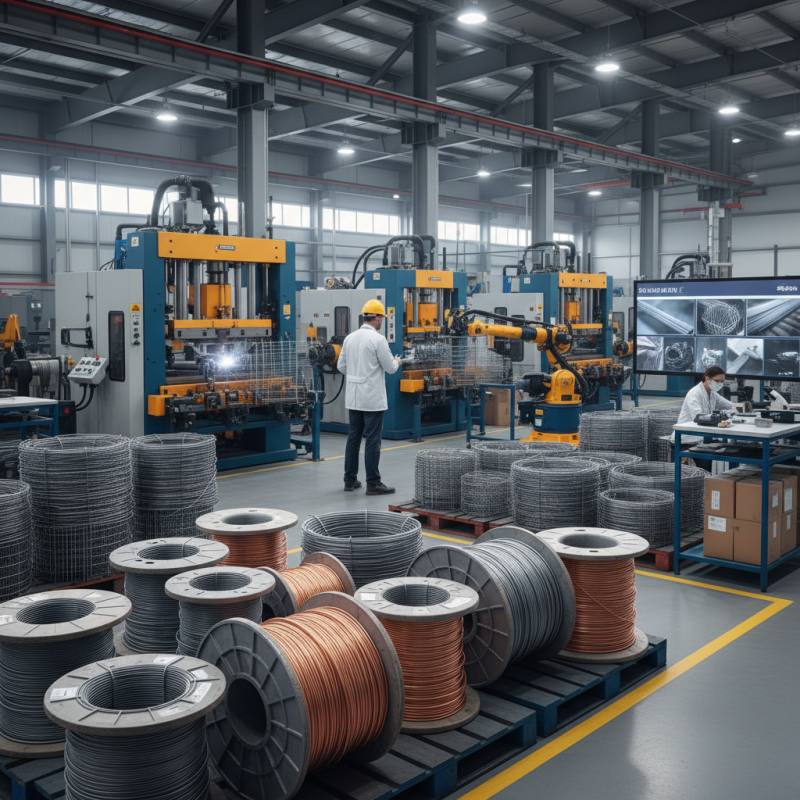
When it comes to manufacturing, metal wire offers distinct advantages that can enhance production efficiency. Metal wire is durable and can withstand various pressures and temperatures. This resilience makes it suitable for a wide range of applications, from automotive to aerospace. With consistency in quality and strength, manufacturers can produce reliable products that meet strict industry standards.
Using metal wire can also improve your processes. It is easier to manipulate than other materials, allowing for greater design flexibility. This adaptability enables the creation of complex components that might be challenging with alternatives. However, it’s important to source high-quality wire from reputable suppliers to ensure performance. Not all metal wires are made equal, and variations in quality can lead to issues down the line.
Tips: Always test samples from different suppliers. Quality checks help in maintaining standards. Also, consider the specific requirements of your project before making a decision. Sometimes, other materials may be more suitable. Reflect on your needs and choose wisely. The right metal wire can minimize production costs and enhance product durability.
Common Types of Metal Wire Used in Industrial Applications
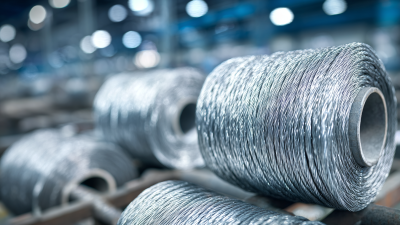
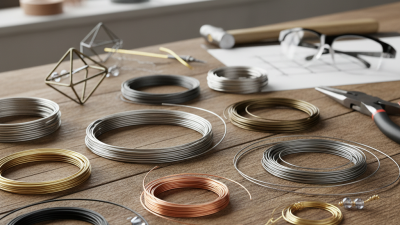
Metal wire plays a crucial role in various industrial applications. Different types of metal wire meet specific manufacturing needs. Among the most common are stainless steel, copper, and aluminum wires. According to a recent market research report, the global steel wire market size was valued at over $30 billion in 2022.
Stainless steel wire is favored for its corrosion resistance. It is often used in construction and automotive sectors. Its strength makes it a reliable choice. Copper wire, on the other hand, excels in electrical applications. Its excellent conductivity is critical for electronic devices. The Electrical and Electronics Association reports that copper wire usage alone grew by 4% last year.
Aluminum wire is another popular option. It is lightweight and cost-effective. However, its lower tensile strength may not suit all applications. Some manufacturers may overlook these properties. This can lead to unexpected challenges in product performance. It's essential to evaluate wire specifications carefully. Doing so can save time and avoid costly missteps. As the industry evolves, ongoing research will shape future wire innovations.
Factors to Consider When Selecting Metal Wire for Manufacturing
Selecting the right metal wire for manufacturing requires careful consideration of several factors. First, wire material plays a crucial role. Different metals have unique properties. Stainless steel offers corrosion resistance, while aluminum is lightweight yet strong. Understanding these characteristics helps in making informed choices.
Next, wire diameter is vital. Thicker wires can handle higher loads but may be less flexible. Conversely, thinner wires offer better flexibility but lower strength. Design requirements often dictate the ideal diameter. You may find that a compromise is necessary, balancing between strength and flexibility.
Applications also impact the wire selection. Certain industries need specific wire types, based on temperature, pressure, or exposure to chemicals. For example, automotive manufacturers prioritize heat resistance. Reflecting on material compatibility ensures longevity and reliability in the final product. Your choice may not always yield the desired outcome, so it's essential to revisit and adjust as needed.
Applications of Metal Wire Across Various Industries
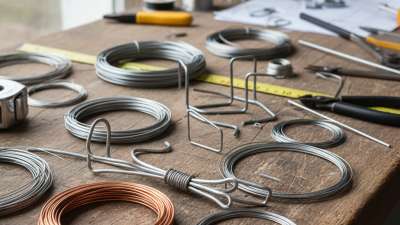
Metal wire finds extensive applications across various industries. It serves multiple purposes, from construction to crafting. In manufacturing, metal wire is valued for its strength and durability. It can be shaped into different forms to suit specific needs.
In the automotive sector, metal wire is crucial for reinforcing components. It provides support in structures like frames and suspensions. Similarly, in electronics, metal wire is essential for connecting circuits. The conductivity of metals ensures efficient power transfer.
Tip: When choosing metal wire for your project, consider the material's flexibility. Some applications may require more pliable wire, while others need rigid options.
In construction, wire mesh strengthens concrete and ensures stability. It also offers support for various structures, reducing the risk of collapse. However, using the wrong gauge can lead to complications. Always verify specifications before proceeding.
Tip: Research the specific requirements of your industry. Understanding these nuances can improve your product's performance. Small details often make a significant impact.
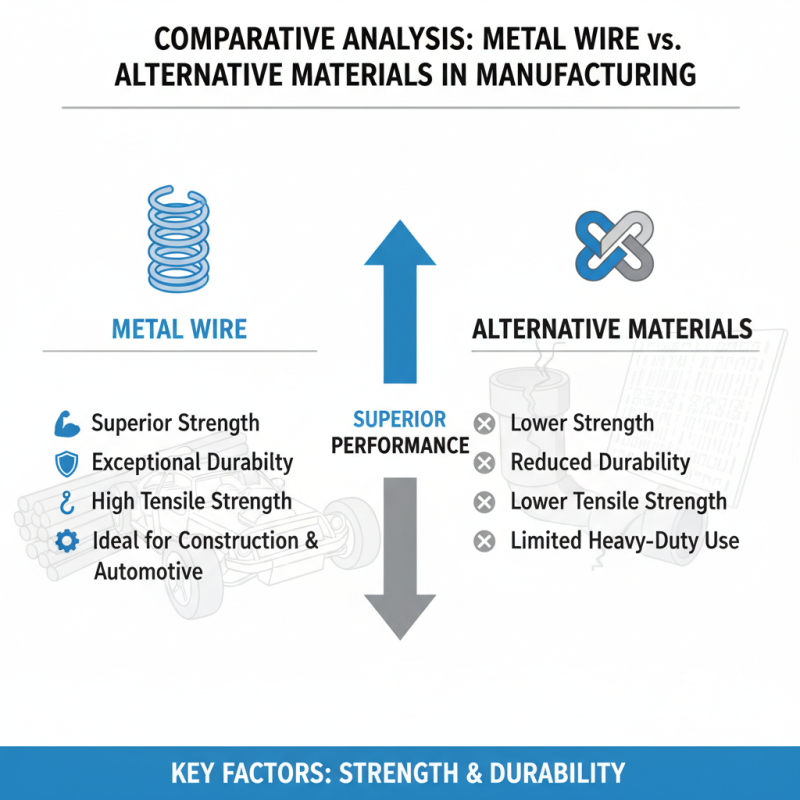
Comparative Analysis: Metal Wire vs. Alternative Materials in Manufacturing
When comparing metal wire to alternative materials in manufacturing, a few key factors stand out. Metal wire offers superior strength and durability. In applications requiring high tensile strength, metal can outperform plastics and composites. This makes it ideal for industries like construction and automotive.
Another advantage is resistance to temperature and corrosion. Metal wire can withstand harsh conditions that may degrade other materials. For outdoor applications or environments with moisture exposure, metal wire's longevity is a significant benefit. However, it’s essential to consider metal's weight in certain applications where lighter alternatives might be preferable.
Tip: Always evaluate the specific demands of your project. Consider both current and future requirements when selecting materials.
Cost is another point of analysis. While metal wire may have higher upfront costs, its lasting performance and reduced maintenance can lead to savings over time. That said, alternative materials might work better for short-term projects.
Tip: Conduct a material cost analysis before making your decision. This can help identify all expenses, including installation and disposal.
Choosing the right material involves a balance of properties. Reflect on the intended use, and weigh the pros and cons of each option carefully.