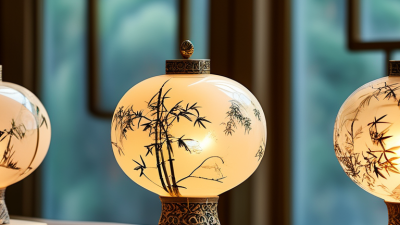
Top 10 Glass Bulb Types for Global Suppliers and Buyers?
In today's vibrant market, understanding the various types of glass bulbs is crucial for suppliers and buyers alike. Glass bulbs are essential components in lighting solutions, offering diverse applications across industries. Knowledge of these products can lead to better purchasing decisions and optimized inventory management.
With an array of options available, distinguishing between different glass bulb types can be daunting. Each type possesses unique characteristics that cater to specific needs. For example, certain glass bulbs excel in providing warm light, while others prioritize energy efficiency. This variety sometimes leads to confusion for buyers who may not be familiar with the specifics.
Moreover, the glass bulb market is constantly evolving. New designs and technologies emerge regularly, prompting a need for ongoing education among suppliers. Reliability in sourcing high-quality glass bulbs is vital. Understanding supplier reputations and product specifications plays a critical role in creating successful partnerships. A deeper awareness of these factors will ultimately enhance buyer confidence and bolster market growth.
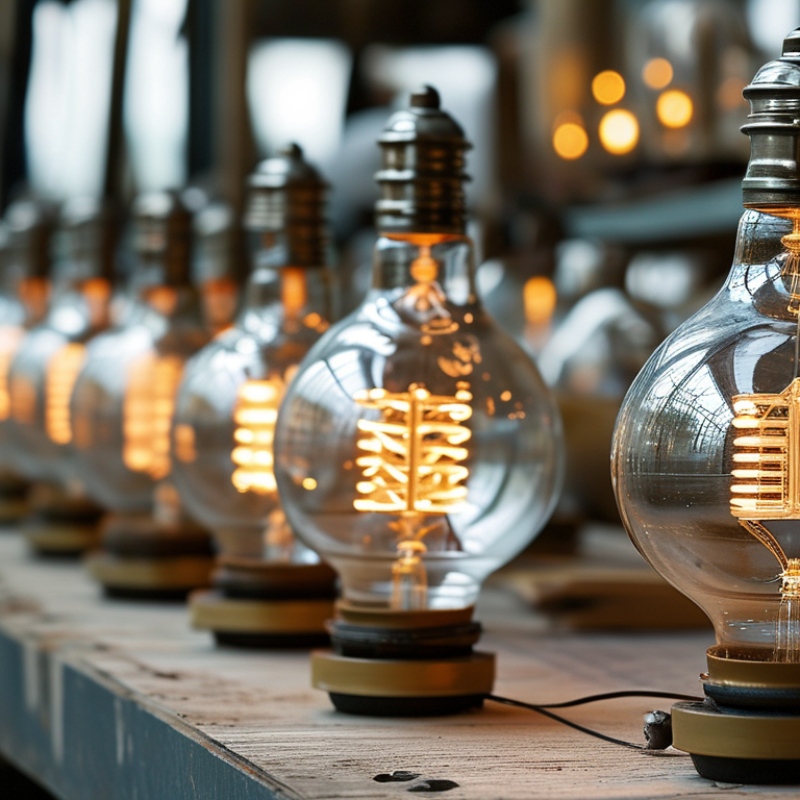
Overview of Glass Bulb Types and Their Applications
The glass bulb market has seen significant growth, driven by various applications across industries. According to a recent market report, the global glass bulb market is projected to reach $8 billion by 2025. This increased demand stems from advancements in lighting technology and the push for energy-efficient solutions.
Various types of glass bulbs serve different functions. For instance, incandescent bulbs are still popular for their warm light, while LEDs are rapidly gaining traction due to their longevity and energy efficiency. A report from the International Energy Agency notes that LED adoption could save up to 200 terawatt-hours of electricity annually by 2030. However, transitioning to new technologies poses challenges; many consumers are resistant to change due to familiarity with traditional options.
Specialty glass bulbs are also carving their niche. They are used in architectural lighting, automotive applications, and even in medical devices. There is an ongoing debate about the environmental impact of manufacturing these products. While they are recyclable, the production process generates waste. Understanding the lifecycle of glass bulbs is crucial for sustainable development in this sector, pointing to a need for ongoing research and innovation.
Key Features of Each Glass Bulb Type for Suppliers and Buyers
When choosing glass bulbs, suppliers and buyers face various options. Understanding the key features of different types can guide the right selection. Incandescent bulbs offer warm light and a classic appeal. They are easy to use in any setting. However, they are less energy-efficient than newer alternatives.
LED bulbs stand out for their longevity and energy savings. They produce bright light while consuming less power. On the downside, initial costs can be higher. Fluorescent bulbs are another popular choice. They provide excellent brightness and are ideal for commercial spaces. Yet, they may flicker and have a shorter lifespan than LED options.
Halogen bulbs can enhance natural colors and create a vibrant atmosphere. They use a different technology that allows for compact designs. Still, users notice they get hot quickly. Lastly, specialty glass bulbs, like vintage designs, add character to spaces but often come with limited functionality. Each type has its strengths and weaknesses, reflecting a balance between performance and cost. Making an informed choice involves weighing preferences and needs.
Comparative Analysis of Global Suppliers of Glass Bulbs
Glass bulbs have become essential in various industries, from home lighting to commercial applications. The variety of designs and functions cater to different needs. Research indicates that suppliers vary significantly in quality and service. A comparative analysis reveals a fascinating landscape.
Some suppliers excel in product range. They offer a multitude of glass bulb types. Yet, these options might overwhelm buyers. Not all suppliers maintain consistent quality. A few high-volume manufacturers compromise on craftsmanship. In contrast, niche suppliers focus on unique designs, which can sometimes lead to higher prices. This disparity prompts buyers to assess their priorities carefully.
Price is another crucial factor. Some suppliers offer competitive pricing. However, lower costs often correlate with reduced durability or design flaws. Buyers face challenges in determining the right balance between cost and quality. Additionally, shipping times and support systems vary widely. As such, buyers must weigh their options thoroughly to ensure a reliable partnership with suppliers. Some may find themselves unsatisfied with their choices, leading to a necessary reflection on supplier reliability.
Market Trends Influencing Glass Bulb Demand Worldwide
The global market for glass bulbs is evolving rapidly. Amid rising energy efficiency demands, buyers are increasingly interested in eco-friendly designs. The shift towards sustainability is shaping production trends. Manufacturers now prioritize innovative materials and recycling methods. This trend is expected to grow as consumers seek greener alternatives.
Additionally, advancements in technology influence glass bulb demand. Smart lighting systems are on the rise. These systems often utilize unique bulb designs to maximize efficiency. The integration of IoT technologies in lighting solutions is creating new opportunities. Suppliers must adapt to these technological shifts to stay competitive.
Despite the positive trends, challenges remain. Supply chain disruptions affect production timelines. Fluctuating raw material costs create uncertainty in pricing. Manufacturers also face pressure to innovate at a faster pace. Balancing these challenges with market demands requires strategic thinking and flexibility.
Top 10 Glass Bulb Types for Global Suppliers and Buyers
This bar chart displays the demand trends for various types of glass bulbs in the global market. The data highlights the popularity of different glass bulb types among suppliers and buyers.
Best Practices for Selecting the Right Glass Bulb Types
When selecting glass bulb types, consider the specific application needs. The LED segment, for example, is projected to reach $37 billion by 2024, according to a recent market report. This emphasizes the importance of choosing the right bulbs for illuminating spaces efficiently. Fluorescent bulbs, while fading in popularity, are still essential for some industrial applications.
Tips: Always assess energy efficiency ratings before making a purchase. A bulb with higher efficacy can save significant costs in the long run. Compare luminous output against wattage to ensure optimal choices.
Choosing the wrong bulb can lead to higher operational costs and inadequate lighting. Dealing with incompatible fixtures is challenging and costly. Researching data on lumens per watt can provide valuable insights. Pay attention to diversity in glass bulb designs. They can significantly affect aesthetic appeal and functionality.
Tips: Consult with suppliers about the latest innovations in glass bulb technology. Staying current can enhance performance and safety. Always inspect for quality certifications. This ensures reliability in your lighting solutions.