How to Choose the Best Glass Bulb for Your Lighting Needs?
When it comes to lighting solutions, selecting the right Glass Bulb can significantly impact your space. Expert lighting designer, John Lumis, emphasizes, "The right glass bulb can transform both atmosphere and function." A Glass Bulb is not merely a source of illumination; it shapes the character of your environment.
Understanding the different types of Glass Bulbs is crucial. Each type offers distinct qualities, from energy efficiency to light color. For instance, LED Glass Bulbs provide longevity, while vintage-style bulbs add charm. However, it can be overwhelming to navigate the choices. Many consumers struggle with understanding which bulb suits their needs best.
With careful consideration, you can choose wisely. Look for brands with a proven reputation. It is essential to consider not just the appearance but the functionality of your Glass Bulb. Reflect on the atmosphere you wish to create, and remember that even small details can make a significant difference in your lighting solutions.
Factors to Consider When Selecting a Glass Bulb
Choosing the right glass bulb for your lighting needs involves several key factors. One critical aspect is the bulb's lumen output, which measures brightness. According to industry studies, consumers often underestimate the required lumens. For example, a standard 60-watt incandescent bulb produces about 800 lumens. Many opt for lower-lumen bulbs, resulting in inadequate lighting in their spaces.
Another important factor is the color temperature of the bulb, indicated in Kelvins (K). Research shows that warmer light (2700K) is preferred for cozy environments, while cooler light (5000K) enhances concentration in work areas. It's crucial to match the color temperature to the intended space. Consumers frequently buy bulbs without considering their ambient needs, which can lead to an unsatisfactory lighting experience.
Additionally, the bulb's energy efficiency cannot be overlooked. Energy Star reports show that LED bulbs can last up to 25,000 hours and use about 75% less energy than traditional incandescent bulbs. Unfortunately, many users still hesitate to invest in these efficient options, often due to higher initial costs. This hesitation can lead to missed long-term savings and environmental benefits. An informed decision can offer long-lasting satisfaction and better illumination.
How to Choose the Best Glass Bulb for Your Lighting Needs?
When selecting a glass bulb for your lighting needs, various factors come into play, including wattage, color temperature, and bulb shape. The following chart illustrates the preferences for these factors based on consumer feedback.
Different Types of Glass Bulbs and Their Applications
When selecting a glass bulb, understanding different types and their applications is crucial. Incandescent bulbs have a warm glow and are suitable for cozy environments. These bulbs are ideal for living rooms and bedrooms where ambiance matters. Yet, their energy efficiency is low, which can lead to higher electricity bills.
Fluorescent bulbs, on the other hand, emit a brighter white light. They are often used in offices and commercial spaces. These bulbs consume less energy than incandescent ones. However, they may produce a harsh light that isn’t appealing in all settings. Consider this when making your choice.
LED glass bulbs are becoming increasingly popular. They combine energy efficiency with versatility. Available in various shapes, they can suit almost any fixture. Their lifespan is longer than both incandescent and fluorescent types. Still, some users find them expensive upfront. Reflecting on your specific needs can help you choose the right bulb.
Understanding Bulb Shape and Size for Optimal Fit
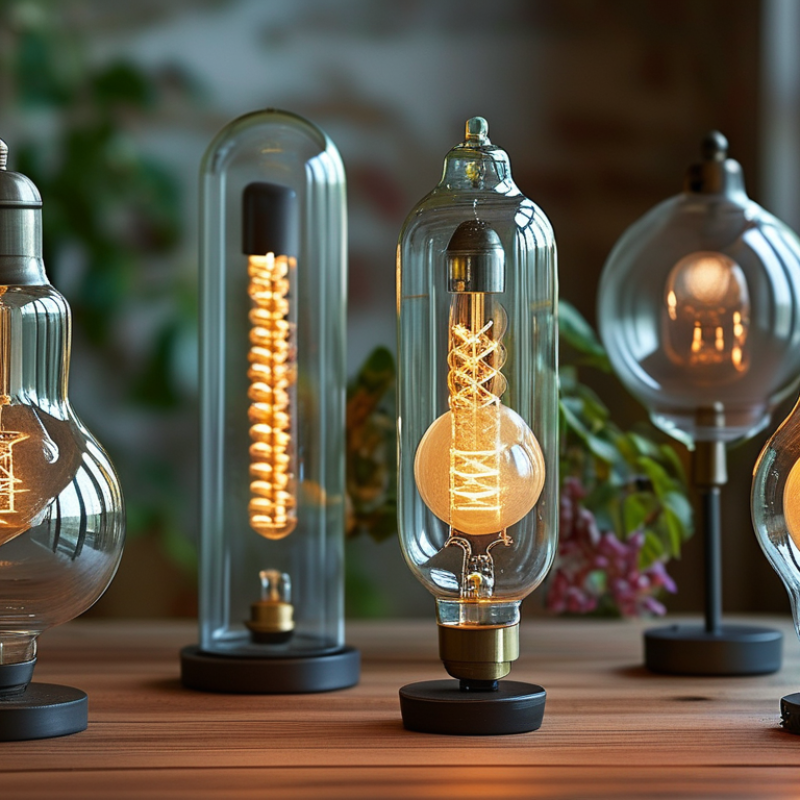
When choosing the right glass bulb, understanding the shape and size is crucial. Bulbs come in various shapes like globe, candle, and A-shaped. Each serves a specific function. For example, globe bulbs are perfect for pendant lights, while candle bulbs work well in chandeliers. Knowing the shape you need helps narrow down your choices.
Size is another key factor. A bulb that’s too large may overshadow your fixture, while a small bulb can look out of place. Measure the dimensions of your lighting fixture before selecting the bulb. The base size also matters. Common sizes include E26 and E12. Ensure the base fits snugly.
It’s easy to overlook these details in the selection process. Rushing can lead to mismatched bulbs. Lighting impacts ambiance significantly. A mismatched bulb can create an uninviting atmosphere. Take the time to assess your needs carefully. Consider how the bulb’s shape and size will affect your overall design and functionality.
Evaluating Wattage and Brightness for Your Lighting Needs
When choosing a glass bulb, evaluating wattage and brightness is crucial. Wattage indicates energy consumption, but it does not directly measure brightness. Instead, brightness is measured in lumens. A higher lumen output means more light. For example, a standard 60-watt incandescent bulb produces about 800 lumens. If you want a cozy reading nook, consider bulbs with a warm glow of around 2700K.
Different spaces require various brightness levels. Living rooms may need around 200-300 lumens per square meter, while kitchens often need brighter lighting. It’s also essential to think about how a bulb's light will affect your space. Some bulbs can create a harsh, uninviting atmosphere. A soft, diffused light often makes a room more welcoming.
It's easy to overlook the balance between wattage and brightness. Some energy-efficient bulbs may offer low wattage but still deliver high brightness. This can lead to confusion when shopping. Always check the lumen ratings. Trust your instincts, but don’t hesitate to consult experts if you feel unsure. Lighting should be functional yet pleasing to the eye. Guidance can help ensure your choice enhances your space.
Energy Efficiency and Lifespan of Glass Bulbs
When selecting the best glass bulb, energy efficiency and lifespan stand out. The U.S. Department of Energy reports that LED bulbs can last up to 25,000 hours. In contrast, traditional incandescent bulbs last only about 1,000 hours. This stark difference highlights how modern technologies enhance durability.
Energy usage is another vital consideration. A standard LED bulb uses approximately 75% less energy than an incandescent bulb. This reduction translates to substantial cost savings over time. In fact, the average household could save over $200 per year on electricity bills by switching to energy-efficient options.
However, the transition isn't without challenges. Some consumers may still prefer the warm glow of incandescent lighting, which can affect mood and aesthetics. Adjusting to new lighting options may take time and some might initially find the light harsh. A balance between energy efficiency and personal preference is essential. Taking the time to explore different options can lead to a more satisfying lighting choice.