How to Choose the Right Lamp Cap for Your Lighting Needs?
Choosing the right lamp cap is crucial for effective lighting. Many people overlook this essential component. Yet, the lamp cap can affect the overall aesthetic and functionality of your lighting fixtures. There are various types available, making the selection process somewhat daunting.
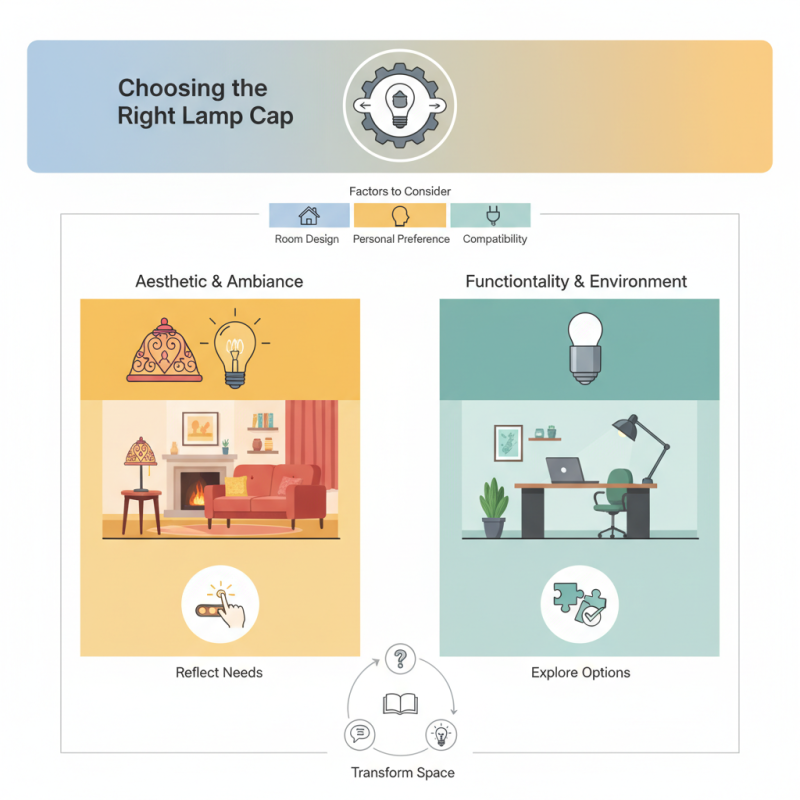
Your lighting needs may vary based on room design or personal preference. For instance, a decorative lamp cap can enhance the ambiance of a cozy living room. On the other hand, a simpler design might suit a modern office environment better. Understanding the options available can help you make an informed choice.
Remember, not all lamp caps are compatible with every bulb or fixture. Misalignment can lead to performance issues. This awareness is essential, especially for those new to lighting design. Take time to explore and reflect on your specific needs. The right lamp cap can truly transform your space.
Understanding Different Types of Lamp Caps Available in the Market
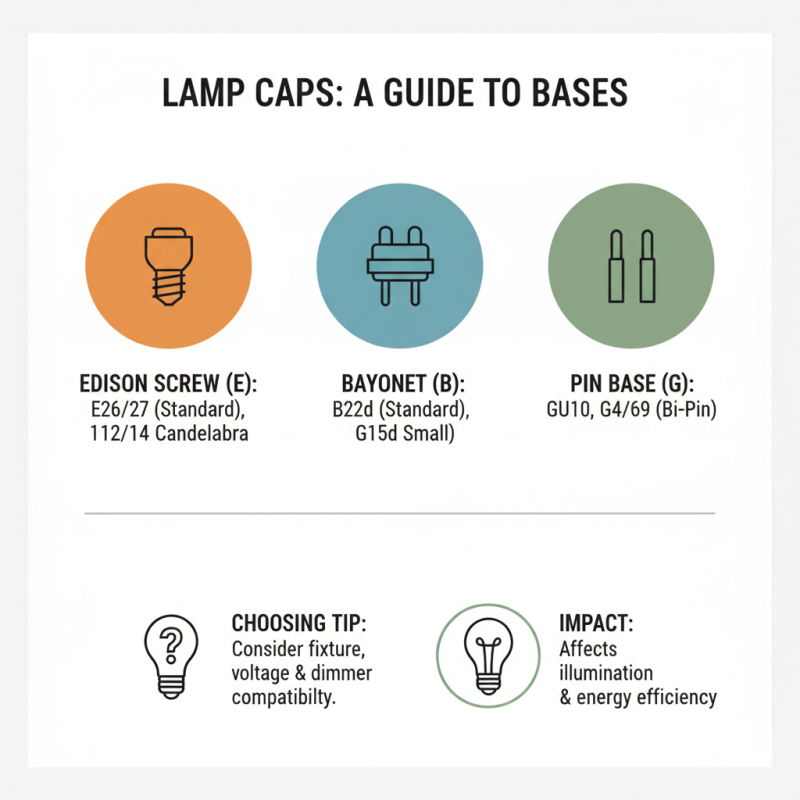
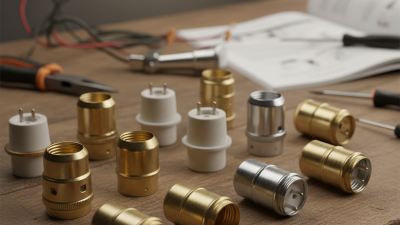
Choosing the right lamp cap can greatly influence how effectively a space is illuminated. There are various types of lamp caps available in the market, each designed for specific purposes. The most common types include E26, E27, and GU10 caps. According to the National Electrical Manufacturers Association, these lamp caps account for over 70% of global lighting applications.
E26 and E27 caps are often used in household bulbs. They are both compatible with standard fixtures but vary slightly by region. The E26 cap is prevalent in North America, while the E27 is common in Europe. This minor difference can lead to confusion when selecting bulbs. GU10 caps, which are often used in spotlighting and fixtures for accent lighting, have a more complex design. They fit snugly in their sockets and secure bulbs more firmly.
Market trends indicate a shift towards more energy-efficient lighting solutions. According to the International Energy Agency, LED technology is rapidly replacing traditional incandescent bulbs, especially those using the E26 cap. While these advancements are promising, it’s essential to note that not all lamp caps accommodate LED bulbs properly. Understanding these differences ensures that you make informed choices tailored to your needs.
Evaluating Your Lighting Needs: Choosing the Right Lamp Cap
Choosing the right lamp cap is essential for meeting your specific lighting needs. Proper selection can greatly influence both functionality and aesthetics in your space. A recent industry report highlighted that approximately 40% of households experience dissatisfaction with their lighting solutions due to poor lamp cap choices. This dissatisfaction often arises from mismatches in socket types or wattage compatibility.
When evaluating your lighting needs, consider the purpose of the space. For instance, bright light is crucial in work areas, while softer lighting is preferred for relaxation zones. The American Lighting Association states that around 70% of respondents prefer adjustable lighting options in multi-use spaces. This emphasizes the importance of flexibility in lamp cap selection. If you choose a cap that is too restrictive, it can limit your lighting versatility.
Additionally, be aware of common lamp cap types such as E26, E27, and GU10. Each type has distinct features that affect compatibility and performance. A survey found that users often overlook these differences, resulting in inefficient lighting setups. It’s vital to understand the implications of selecting the incorrect lamp cap, as it can lead to increased energy consumption and added costs. Reflect on your choices carefully to avoid these pitfalls.
Compatibility: Ensuring the Lamp Cap Fits Your Fixture
Choosing the right lamp cap is critical for ensuring compatibility with your lighting fixture. Many consumers overlook this aspect. However, the right fit can significantly affect both performance and safety. For instance, a report from the LED Lighting Industry indicates that improper lamp caps can lead to nearly 15% of lamp failures. This statistic highlights the importance of confirming compatibility.
When selecting a lamp cap, consider the dimensions and type of your fixture. The common types include E26 and E27, often found in residential lighting. However, many fixtures utilize specialty caps that may not be as prevalent. To avoid issues, always refer to fixture specifications. Misfit caps can result in poor connectivity or even electrical hazards. A survey by the Lighting Research Center revealed that 30% of users encountered issues due to mismatched lamp caps in the last year.
It's vital to verify the compatibility of voltage and wattage. A lamp cap that cannot support specified power ratings is not only inefficient but can also shorten its lifespan. In some cases, user frustration stems from a lack of understanding about these ratings. Underestimating the importance of a well-fitted cap can lead to frequent replacements. Seek guidance from industry experts or thorough manuals to make an informed choice. The journey toward finding the right lamp cap can be more complex than it seems.
Energy Efficiency Considerations for Lamp Cap Selection
When choosing a lamp cap, energy efficiency is a crucial factor. According to the U.S. Department of Energy, LED bulbs, which typically fit standard E26 caps, use at least 75% less energy than incandescent bulbs. This significant reduction in energy consumption directly impacts electricity bills. Selecting the right lamp cap ensures that you can utilize eco-friendly options effectively.
Moreover, understanding the compatibility between lamp caps and bulbs is essential. For instance, many modern fixtures now support GU24 caps, allowing for compact fluorescent and LED bulbs. A report by the International Energy Agency indicates that transitions to LED technology could save over 200 terawatt-hours of electricity annually. However, not all lamp caps are designed to accommodate energy-efficient bulbs. This oversight can lead to wasted resources and unexpected electricity costs.
Investing time in researching lamp caps can lead to long-term savings. People often rush this decision, which may result in mismatched options. Reflecting on the types of lamp caps available and their associated energy ratings is vital. Small oversights can hinder energy efficiency goals. Therefore, take the time to make an informed choice, ensuring that your selected lamp cap aligns with modern energy-saving bulbs.
Trends in Lamp Cap Design and Their Impact on Lighting Aesthetics
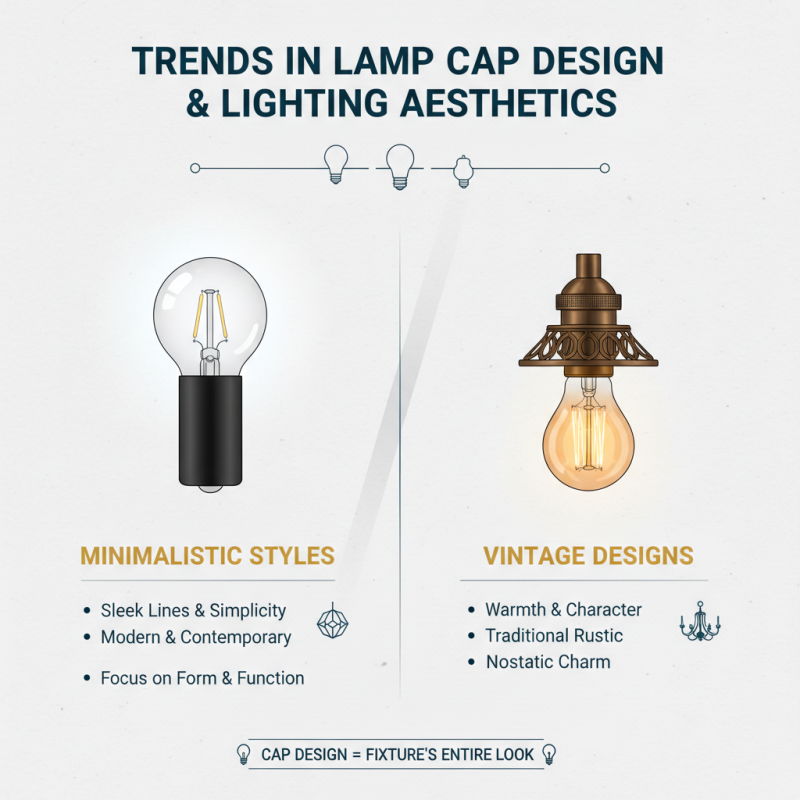
Lamp caps have evolved significantly in recent years, influencing not just lighting functionality but also aesthetics. The design of a lamp cap can change the entire look of a fixture. Minimalistic styles draw attention to sleek lines and simplicity, appealing to modern tastes. Conversely, vintage designs offer warmth and character, perfect for traditional settings.
Color and material choices play crucial roles too. Metal caps provide a sturdy, industrial feel, while ceramic options add a touch of elegance. Designers often experiment with textures, blending matte finishes with glossy surfaces. This juxtaposition can create visual interest. However, finding the right balance can be tricky. Too much complexity may overwhelm the space.
As trends shift, sustainability becomes a focus. Eco-friendly materials and energy-efficient designs are gaining popularity. Yet, some consumers struggle to adapt to these changes. They may find themselves yearning for familiar styles while wanting to embrace innovation. The challenge lies in merging personal preference with contemporary trends, crafting a unique yet cohesive lighting scheme. Selecting the right lamp cap remains a personal journey filled with reflection and creativity.