Why Choose the Right Lamp Cap for Your Lighting Needs?
Choosing the right lamp cap for your lighting needs is crucial. The lamp cap type determines compatibility with the light fixture. According to the Global Lighting Market report by MarketsandMarkets, the global lighting market is expected to reach $151 billion by 2027. This growth is driven by advancements in LED technology and energy-saving demands.
Using the correct lamp cap enhances efficiency and performance. Different lamp caps, such as E26, E27, and GU10, serve various applications. Misalignments can cause flickering or short circuits. The wrong choice can lead to wasted energy and reduced lifespan of bulbs. Industry experts emphasize understanding lamp specifications to avoid costly mistakes.
Investing time in selecting the proper lamp cap can yield significant savings. It may seem tedious, but the benefits outweigh the effort. According to the Department of Energy, correct lighting choices can save consumers up to 20% on their energy bills. Research and practical application are necessary. Each detail matters in achieving optimal lighting solutions.
Understanding Different Types of Lamp Caps in Lighting Applications
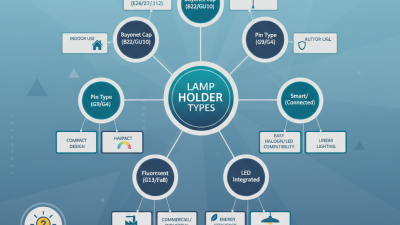
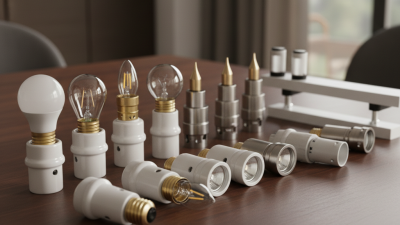
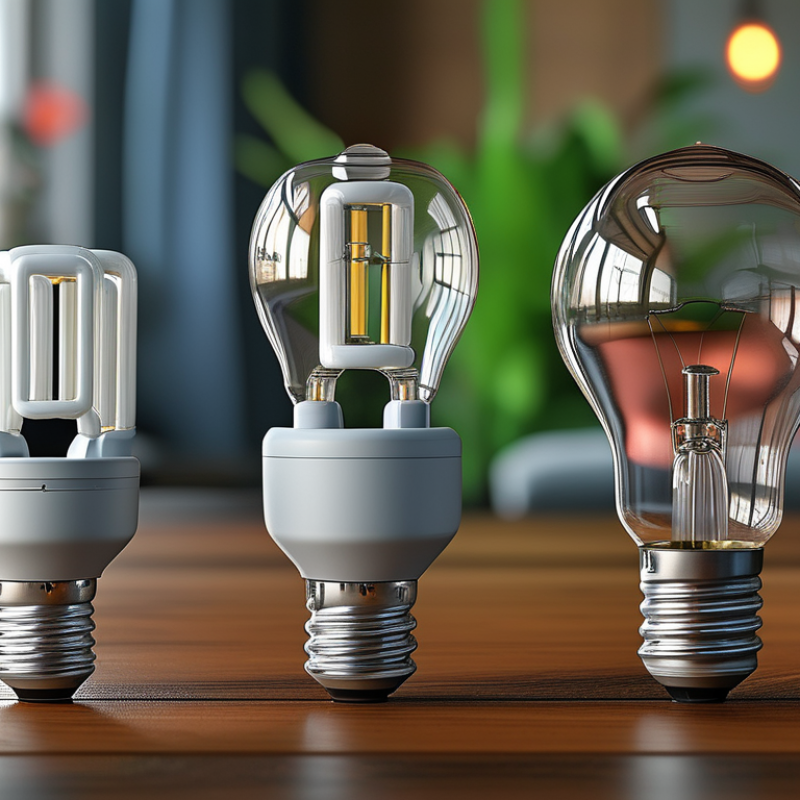
Choosing the right lamp cap is crucial for effective lighting. Different types of lamp caps serve distinct purposes. The base type can affect compatibility and light output. In residential and commercial spaces, the common E26 and E27 caps dominate. These sizes can be found in almost every household bulb today. According to a 2022 industry report, bulbs with these caps represent over 70% of the global market.
CFL and LED technologies utilize various lamp caps, such as GU10 and G24. GU10 fittings are prevalent in track and spotlight fixtures. G24 caps often fit compact fluorescent lamps, making them energy-efficient options. A research study showed that LEDs can reduce energy consumption by up to 85% compared to traditional incandescent bulbs. This efficiency highlights the importance of selecting the right cap for your needs.
Tip: Conduct a compatibility test before purchasing new bulbs. Check the lamp and socket specifications. This ensures you avoid common installation errors. A mismatched lamp cap can lead to flickering or insufficient light.
Consider the light temperature and color output as well when selecting a lamp cap. For instance, warmer tones enhance ambiance, while cooler tones increase focus. Some users find themselves choosing aesthetic features over functionality. Reflect on the purpose of your lighting and choose accordingly.
The Importance of Lamp Cap Compatibility with Bulb Types
Choosing the right lamp cap is crucial for your lighting setup. Each type of bulb requires a specific lamp cap to function properly. Compatibility ensures that the bulb fits securely and operates effectively. An incompatible cap may lead to flickering lights or even breakage.
Consider the purpose of your lighting. Do you need bright illumination or soft ambience? This can influence your choice. Pay attention to the lamp cap size and type. Check the specifications of both the bulb and lamp fixture before purchasing. Different bulb technologies may use different caps, such as LED, incandescent, or fluorescent.
**Tips:** Always match the wattage. Higher wattage bulbs may not fit safely into lower-rated caps. Check local regulations for safety standards. If you're uncertain, consult a lighting professional. A small mistake in selection can lead to larger issues, like damage or safety hazards. Ensure you invest time in understanding your options.
How Lamp Cap Specifications Impact Energy Efficiency and Performance
Choosing the right lamp cap can greatly influence energy efficiency and performance in lighting systems. Different lamp caps have varied compatibility with bulb types, affecting both lumens output and energy consumption. According to a report by the Department of Energy, energy-efficient lighting can reduce energy usage by up to 75%. The right cap ensures that bulbs like LEDs operate optimally, leading to significant energy savings.
Lamp cap specifications also impact the lifespan of lighting products. A poorly matched cap can lead to overheating and early failures. Studies show that correctly matched systems can last up to ten times longer. For example, a standard A19 bulb works best with an E26 cap. This pairing not only maximizes performance but also minimizes waste. Investing in suitable caps is essential for sustainable lighting.
Yet, many overlook the importance of these specifications. Often, consumers choose based on aesthetic rather than functionality. This oversight can lead to increased costs and environmental impact. As lighting technology advances, staying informed about lamp cap specifications becomes crucial. An informed decision can lead to enhanced performance and better energy efficiency.
Assessing the Relationship Between Lamp Caps and Fixture Designs
Choosing the appropriate lamp cap is crucial for ensuring compatibility with your fixture designs. Various lamp caps exist, such as E27, E14, and GU10, each serving unique lighting applications. According to a report from the Lighting Research Center, about 70% of lighting issues stem from improper lamp cap choices. This highlights the importance of understanding your fixture's specifications.
Tips: Always check the socket type before purchasing. A simple error can lead to wasted time and resources.
Fixture designs determine the compatibility with lamp caps. For instance, recessed lighting often uses GU10 caps, while standard lamps may require E27. Inadequate matching can reduce efficiency. Research shows that mismatched combinations can lead to 10-15% increased energy consumption. This not only affects bills but also impacts overall sustainability goals.
Tips: Consider energy ratings when selecting your lamp cap. A higher efficiency rating may save you money in the long run.
Even with correct fittings, improper lamp cap selections can result in flickering lights and reduced lifespan. Regularly assess your lighting setup to ensure optimal performance. This not only helps in maintaining your lighting systems but also ensures that your choices align with environmental standards.
Key Industry Standards and Regulations for Lamp Caps in Lighting Solutions
Choosing the right lamp cap is crucial for optimal lighting performance. Key industry standards govern these components. For instance, the International Electrotechnical Commission (IEC) sets specific criteria for lamp caps. They outline dimensions, safety, and performance aspects. Following these standards ensures compatibility and safety.
Data shows that nearly 80% of lighting failures are related to lamp cap issues. Incorrect fittings can lead to overheating or malfunction. Adhering to regulatory frameworks like the IEC 60061 helps reduce these risks. This standard specifies design requirements for various bases used in electric lamps, ensuring uniformity across the industry.
Another important aspect is energy efficiency. The American Lighting Association highlights that adopting compliant lamp caps can improve energy savings by up to 15%. This aligns with evolving sustainability efforts globally. However, some manufacturers still overlook these regulations, leading to subpar products and consumer concerns. It’s critical for buyers to understand these standards when selecting solutions for their lighting needs.