Top Lamp Socket Options for Global Buyers to Consider?
In the global lighting industry, selecting the right lamp socket is crucial for both function and design. Renowned lighting expert John Smith once stated, "The lamp socket is the heart of the lighting solution." This underscores its importance in ensuring safety and compatibility in various fixtures.
Various types of lamp sockets exist, and each has unique features. For instance, the E26 and E27 sockets are popular choices for household lighting because of their wide availability. Manufacturers must consider different socket materials and mounting options for diverse applications. A dependable socket enhances the longevity of light bulbs and maintains user safety.
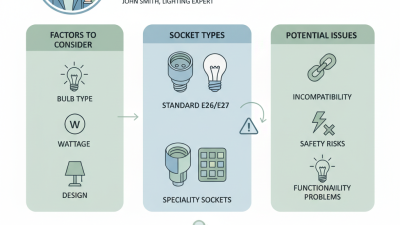
However, selecting the right lamp socket can be challenging. Buyers may struggle with compatibility across different lighting systems. Additionally, some lamp sockets may not provide adequate support for specific bulb types. Global buyers should seek expert guidance to make informed decisions and navigate these complexities effectively.

Key Factors to Consider When Choosing Lamp Sockets
When selecting lamp sockets, buyers should consider several key factors. The socket's compatibility with bulb types is crucial. Different bulbs require specific sockets for optimal performance. Ensuring the socket fits your chosen bulb will prevent technical issues.
Another factor is the material of the socket. Materials like ceramic or plastic each have unique properties. Ceramic offers heat resistance, while plastic is lighter and often more affordable. Consider the durability and the environment where the lamp will be used. Sockets in humid areas may need different materials compared to dry locations.
**Tip:** Always check the wattage rating of the socket. Using a socket with a lower rating than required can cause overheating.
Lastly, safety features are essential. Look for sockets that include fuses or circuit breakers. They can provide an additional layer of protection. Pay attention to the quality of the wiring as well; substandard wiring might lead to electrical hazards.
**Tip:** Read customer reviews on safety and performance. Real-world experiences can highlight potential issues.
Though it may seem simple, choosing the right lamp socket requires careful consideration. Ensure you reflect on your specific needs to make an informed decision.
Types of Lamp Sockets Available for Global Market
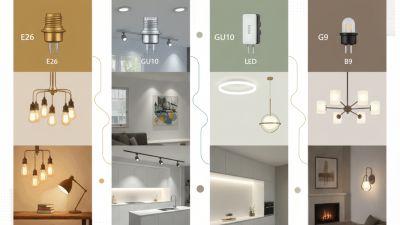
When considering lamp sockets for the global market, various types cater to different needs and preferences. Standard options include E27 and E14 types, commonly found in residential and commercial lighting. Recent data indicates that E27 sockets account for approximately 65% of the lamp socket market due to their versatility and compatibility with a variety of bulbs. However, smaller E14 sockets are gaining traction, especially in decorative lighting applications.
In addition to these, specialty sockets like GU10 and MR16 are popular for specific uses, especially in spot lighting. Reports show that the demand for GU10 sockets has surged by 20% annually, driven by a growing trend towards energy-efficient LED lighting. It's crucial to consider regional preferences during selection. For instance, North America often favors medium base sockets, while Europe may lean towards bayonet fittings.
Despite the variety, challenges persist. Adapting to different voltage requirements can complicate global distribution. Moreover, compliance with safety standards is vital but often overlooked. Manufacturers need to stay informed about these regulations, ensuring their products are reliable and compliant. The landscape is evolving, and understanding these elements will help buyers make informed decisions.
Top Lamp Socket Options for Global Buyers
Comparative Analysis of Screw-in vs. Plug-in Lamp Sockets
When exploring lamp socket options, a key consideration is the type: screw-in versus plug-in. The screw-in socket, commonly found in homes, offers versatility and compatibility with various bulb types. According to industry reports, approximately 75% of light fixtures utilize screw-in sockets due to their ease of use. They provide a secure connection and are generally more reliable over time. However, regular maintenance is essential to prevent loose connections, which can lead to flickering or even electrical hazards.
On the other hand, plug-in sockets are gaining popularity for their straightforward installation. They are ideal for portable lighting solutions and can be easily moved around. Recent data suggests that the market for plug-in lamp sockets is growing at an annual rate of 5.2%. This growth reflects a rising demand for adjustable lighting setups. Yet, their reliance on proximity to power outlets can limit placement options. Moreover, buyers should consider the build quality, as cheaper models may not withstand constant insertion and removal.
Both sockets have their drawbacks. Screw-in sockets need bulb replacements, which can become cumbersome. Plug-ins may require multiple outlets and can seem less stable with constant use. Making an informed choice involves weighing each option's advantages against potential inconveniences. Ultimately, both types serve unique needs in the lighting market.
Material Considerations for Durable and Safe Lamp Sockets
When selecting lamp sockets, material plays a critical role in durability and safety. Various materials offer distinct advantages. For example, porcelain sockets resist heat and ensure electrical insulation. Metal options, while sturdy, can conduct heat and electricity, so proper insulation is crucial. Plastic is lightweight and corrosion-resistant, ideal for humid environments.
Choosing the right material involves considering your needs and environment. If you prioritize safety, materials with high heat resistance are essential. Avoid materials that may not withstand temperature fluctuations, as this can lead to failures.
Tips for selecting materials: check ratings for heat resistance. Always verify certifications. Ensure any selection aligns with local regulations for safety. Remember, durability is essential for longevity. However, not all materials are suitable for every setting. Reflect on how the socket will be used and pick wisely.
Regulatory Standards Impacting Global Lamp Socket Choices
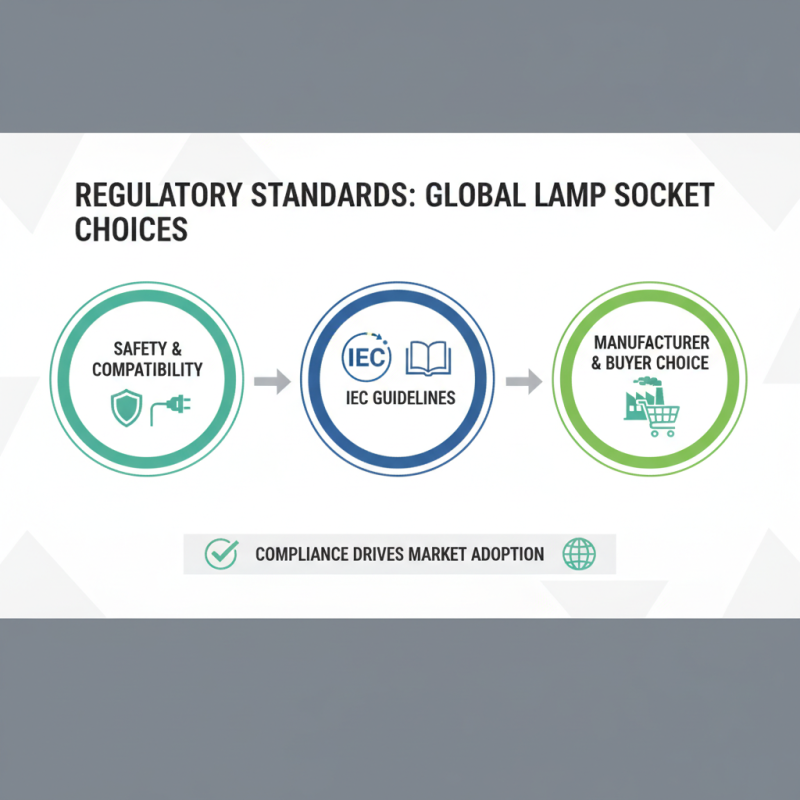
In today's global market, lamp socket options must align with various regulatory standards. These standards are crucial for ensuring safety and compatibility. For instance, the International Electrotechnical Commission (IEC) has set guidelines that many manufacturers follow. Compliance can significantly influence a buyer's choice in lamp sockets.
A report by the Global Lighting Association highlights that over 55% of consumers prioritize safety compliance when selecting lamp sockets. Regulatory frameworks, such as the European Union's Low Voltage Directive (LVD), enforce strict testing to avert electrical hazards. This impacts production quality and the consumer's trust in products available in the market.
Yet, navigating these regulations can be challenging. Some manufacturers may struggle to meet compliance, resulting in potential market hesitance. Understanding these standards can empower buyers. It allows them to make informed decisions while ensuring that they invest in safer products. Regulatory insights offer a deeper perspective on quality and reliability.