
Leave Your Message

Which Glass Sleeve Is Best for Industrial Use in 2026?

Choosing the best Glass Sleeve for industrial use in 2026 requires more than comparing temperature ratings. Industrial engineers must evaluate abrasion, voltage, chemicals, vibration, moisture, and installation time. A sleeve that survives 500°C in a laboratory may fail beside a moving motor. That distinction matters.

Grand View Research reports that the global glass fiber market reached approximately USD 14.6 billion in 2023. It also forecasts continued growth through 2030, supported by electrical, automotive, construction, and energy applications. MarketsandMarkets offers a similar outlook, projecting the glass fiber market to grow from about USD 13.1 billion in 2023 to USD 18.2 billion by 2028. These figures indicate strong material demand, but they do not identify one universally superior sleeve.

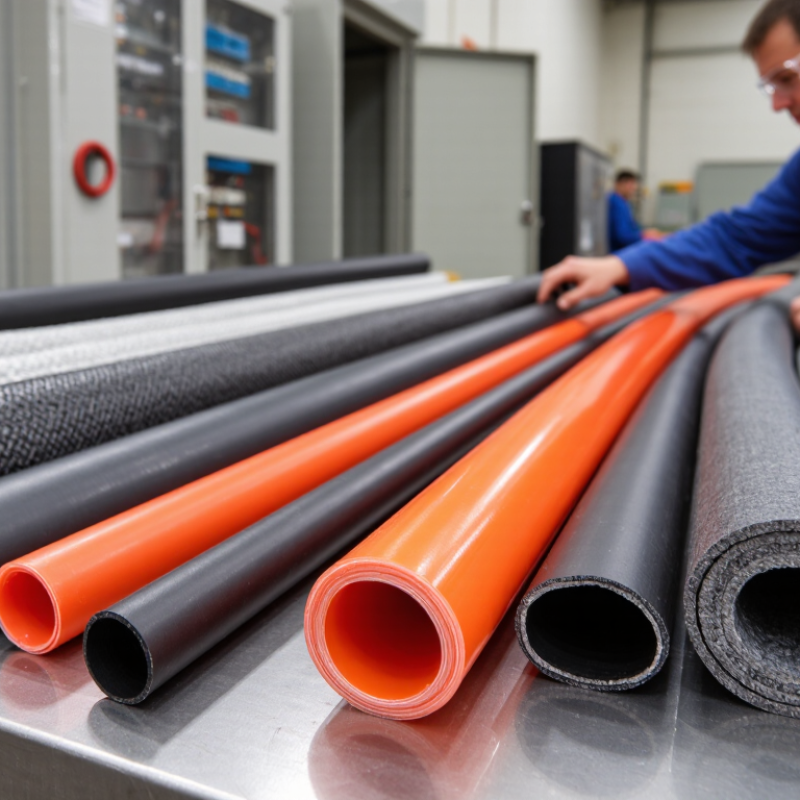
Real-world selection depends on the working environment. Braided fiberglass sleeves offer flexibility and strong thermal resistance. Silicone-coated versions add protection against moisture, oils, and surface abrasion. Heat-treated or vermiculite-coated designs may perform better near furnaces, exhaust systems, and molten-metal equipment. However, higher temperature resistance can reduce flexibility or increase installation difficulty.

Standards provide a more reliable comparison. IEC 60684 establishes requirements for flexible insulating sleeving, while UL 1441 addresses electrical insulating material systems. Engineers should request traceable test data, including continuous temperature ratings, dielectric strength, flammability, and chemical resistance. Supplier claims alone are not enough.

Small details matter.

A sleeve rubbing against a sharp bracket may fail early. A loose fit may trap heat. This guide compares common Glass Sleeve types using practical field considerations and published industry evidence. The conclusion may remain imperfect, because product performance changes with coating quality, wall thickness, and installation conditions.
Which Glass Sleeve Is Best for Industrial Use in 2026?

Industrial Glass Sleeves: Definition, Functions, and Main Applications

Which Glass Sleeve Is Best for Industrial Use in 2026?

Industrial glass sleeves are braided or woven tubes made from glass fibers. They protect wires, busbars, hoses, and heated components from heat, abrasion, and electrical stress. Many versions use a silicone, acrylic, or resin coating for added flexibility and moisture resistance. Uncoated sleeves suit dry, high-temperature zones, while coated sleeves handle movement and surface contamination better.

The right choice depends on temperature, voltage, bending, and chemical exposure. IEC 60684-3 lists requirements for flexible insulating sleeving, including electrical, mechanical, and thermal performance. The International Energy Agency reports that industry consumed about 37% of global final energy in 2022. That figure reinforces the need for durable insulation around motors, furnaces, control cabinets, and battery equipment. However, a high temperature rating alone does not guarantee reliability. A sleeve may survive heat but crack after repeated bending. Real installations are messier.

Tips: Measure the outer diameter after assembly, not before. Leave room for movement. Check wall thickness, dielectric strength, flammability data, and continuous temperature ratings. MarketsandMarkets identifies rising electrification and power-equipment demand as key growth factors for the electrical insulation materials market. Still, published ratings can reflect laboratory conditions. Test a sample beside vibration, oil mist, or radiant heat before approving production use. That small trial often reveals an uncomfortable mistake.

Key Factors for Evaluating Glass Sleeves in 2026

Choosing an industrial glass sleeve in 2026 starts with the actual operating conditions, not a broad temperature claim. Record the highest and lowest temperatures, heating cycles, vibration, and nearby chemicals. A sleeve beside a hot furnace may need different glass and wall thickness from one protecting a sensor on a washdown line. Check the supplier’s stated temperature range and whether it applies to continuous use or brief exposure. Those are not the same.

Fit and mechanical strength matter just as much. Measure the component, including its end connections, and allow for thermal expansion. Ask for details on glass composition, wall-thickness tolerance, impact resistance, and inspection methods.

If failure could interrupt production, request test data for the relevant conditions rather than relying on a general product description. A thicker sleeve may seem safer, but it can affect heat transfer or fit. Trade-offs deserve a second look.

Tips: Compare two or three candidate sleeves under the same conditions. Confirm chemical compatibility in writing, and inspect for chips or hairline cracks before installation. Keep a record of operating temperature and replacement dates. Small details matter. A test on your actual assembly can reveal issues that a catalog table misses.

Comparison of Glass Sleeve Materials, Designs, and Performance

Glass sleeves differ in fiber structure, coating, and seam design. Braided sleeves flex around cable bends and fittings, while woven sleeves often provide a flatter, more uniform wall. Uncoated glass fiber suits hot zones, but silicone or acrylic coatings can improve abrasion resistance and handling. Coatings may also limit usable temperature, so compare the complete sleeve’s rating—not the fiber’s rating alone. IEC 60684-1:2011 sets general requirements and test methods for flexible insulating sleeving. It is a useful baseline, not proof that every sleeve fits every installation.

Thermal-class figures help frame selection. IEC 60085:2007 lists insulation classes including 155°C, 180°C, and 200°C; these are system classes, not automatic continuous-use ratings for a sleeve. Ask suppliers for tested temperature limits, dielectric strength, wall thickness, and results after heat and moisture conditioning. For vibrating machinery, check whether the sleeve stays put over terminals and survives repeated flexing. Small details matter. A catalog value can look reassuring, yet coating, fit, and installation pressure change real performance. I would compare samples on the actual cable and bend radius before specifying a material.

Selecting the Best Glass Sleeve for Different Industrial Conditions

Selecting a glass sleeve for industrial conditions starts with the job, not a temperature rating alone. Identify the highest continuous temperature, brief heat spikes, abrasion, moisture, and chemical exposure. A woven glass-fiber sleeve may suit hot wiring or pipes, while a coated version can add resistance to splashes or surface wear. Coatings differ, so confirm compatibility with the actual fluid and operating temperature. Check the product data sheet. A rating without context can mislead.

For moving cables, flexibility and repeated bending matter. For fixed equipment near hot surfaces, thermal performance may carry more weight. Measure the part carefully: a sleeve that is too tight can be difficult to install, while excess slack may snag or rub. Inspect cut edges and nearby clamps, too. Small details matter. If the environment is unusually harsh, test a short sample through a realistic heat and abrasion cycle before specifying a large quantity. Lab results help, but they may not reproduce every installation.

Tips: Record the sleeve’s location, peak temperature, and likely contact hazards. Ask suppliers for test methods, not just headline ratings. Recheck the choice after installation; field conditions sometimes reveal assumptions worth revisiting.

Which Glass Sleeve Is Best for Industrial Use in 2026? — Selecting the Best Glass Sleeve for Different Industrial Conditions
Sleeve Type Typical Temperature Guidance Key Characteristics Suitable Industrial Conditions Important Limitations
Uncoated E-glass braided sleeve Glass fiber itself can generally tolerate temperatures up to about 550°C (1,022°F); the usable rating of a finished sleeve depends on its sizing, construction, and test method. Flexible, electrically insulating, and resistant to many oils and solvents. The braided construction can expand to fit over components. General-purpose protection for cables, hoses, and wires near industrial equipment where heat exposure is moderate and flexibility is important. Uncoated fibers can fray and absorb moisture or contaminants. Confirm the finished product’s temperature and electrical ratings before use.
Silicone-coated fiberglass sleeve Commonly used for continuous service around 200–260°C (392–500°F), with higher brief-exposure limits specified for some products. Flexible coating helps resist abrasion, moisture, and splashes of hot fluids; typically offers good electrical insulation. Hydraulic and industrial hoses, wire bundles, and cable assemblies exposed to oil, moisture, sparks, or occasional hot splashes. The silicone coating can degrade above its rated temperature and may be damaged by sharp edges or sustained flame. Check the product rating for continuous versus intermittent exposure.
Acrylic-coated fiberglass sleeve Often suited to continuous temperatures around 150–200°C (302–392°F); actual limits vary with the coating and construction. Coating helps bind fibers, reduce fraying, and improve handling. Usually a practical option for general cable and hose protection. Manufacturing lines, electrical cabinets, and machinery with moderate heat, light abrasion, and routine handling. Not the preferred choice for sustained high heat, direct flame, or repeated molten-metal exposure. Verify chemical compatibility for the specific coating.
Vermiculite-coated fiberglass sleeve Some constructions are used for continuous service in the approximate range of 500–650°C (932–1,202°F), with higher short-duration exposure limits stated by some manufacturers. Mineral coating improves resistance to sparks and radiant heat and can help protect the glass fabric from brief heat exposure. Welding areas, foundries, and equipment exposed to intermittent sparks or radiant heat, where the sleeve is not continuously in direct contact with a heat source. Temperature capability varies considerably. Coating wear, flexing, and direct flame can reduce service life; use only a rating verified for the exact product and exposure.
High-silica glass sleeve Some high-silica constructions are rated for continuous exposure near 900–1,000°C (1,652–1,832°F); brief-exposure limits may be higher and product-specific. High silica content provides better resistance to extreme heat than standard E-glass textiles. Available in flexible sleeve constructions. High-temperature furnaces, foundries, and other installations where ordinary fiberglass may not provide sufficient heat resistance. Can be less flexible or more costly than standard fiberglass. Confirm resistance to abrasion, chemicals, thermal cycling, and the actual duration of heat exposure.
Silicone-coated high-temperature glass sleeve The base fabric may tolerate high heat, but the silicone coating usually sets a lower continuous-use limit; consult the finished product’s data sheet. Combines a protective coating with a heat-resistant glass substrate, offering a balance of flexibility and environmental protection. Applications requiring both high-temperature fabric and added protection against moisture, oil, or abrasion, provided the coating remains within its rated temperature range. Do not assume the base fiber’s maximum temperature is the sleeve’s service rating. The coating may soften, decompose, or lose protective properties first.
Selection note: Temperature figures are indicative ranges, not universal ratings. Actual performance depends on fiber type, coating, wall thickness, construction, exposure duration, flexing, and test method. Check the manufacturer’s technical data and applicable electrical, fire, and workplace safety requirements before specifying a sleeve.

Installation, Maintenance, Safety, and Compliance Considerations

For industrial service, a glass sleeve must match the process, not just the drawing.

Confirm operating temperature, pressure, chemical exposure, and the sensor or component’s dimensions. Borosilicate glass suits many thermal and chemical environments, while other glass types may be needed for specific conditions. Check the manufacturer’s documented limits.

A small mismatch matters.

Installation can determine service life.

Keep the sleeve aligned, support it evenly, and avoid metal clamps that create concentrated stress. Allow for thermal expansion where the assembly design requires it. Never force a sleeve into a tight fitting. A chipped edge can become a crack when temperatures change.

Wear suitable eye and hand protection during handling, and follow the site’s risk controls.

Maintenance should include inspection for chips, hairline cracks, clouding, and deposits that obscure readings.

Clean only with agents compatible with the glass and process residue; abrasive pads can leave damage that is hard to spot. Replace a suspect sleeve rather than relying on appearance alone. Keep records of material type, dimensions, batch identification, inspection findings, and replacement dates.

Compliance depends on the application, operating conditions, and local requirements, so verify applicable standards and documentation before installation.

Paperwork can be imperfect, too; resolve missing limits with the supplier before the equipment runs.