Leave Your Message

Why Choose the Right Lamp Base?

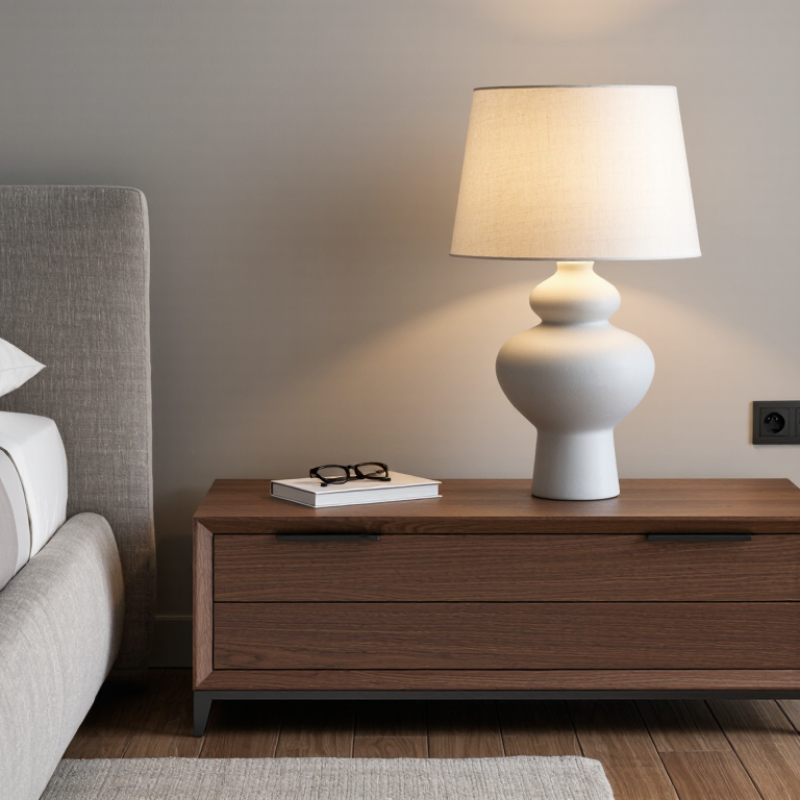
A lamp can look perfect in a photograph and feel wrong on a real table. Its base affects stability, scale, surface protection, and how the light fits the room. For a bedside table, a broad, weighted base can feel reassuring. A narrow one may wobble when someone reaches for the switch. The socket matters too: a bulb must match its fitting and the fixture’s stated limits. Small details. Big difference.

Energy performance adds another reason to choose carefully. The U.S. Department of Energy’s Energy Saver guidance reports that LED bulbs use at least 75% less energy and can last up to 25 times longer than incandescent bulbs. Those savings depend on choosing a compatible bulb and using it in a suitable fixture. A beautiful Lamp Base cannot fix the wrong fitting. Nor can a bright bulb compensate for glare at eye level.

Lighting designer Richard Kelly captured the wider role of lighting when he wrote, “Light is the fourth dimension of architecture.” His words were not specifically about lamp bases, but they explain why this choice deserves attention. A base helps determine where light lands, how a lamp sits, and whether it feels balanced beside a sofa or book. Still, product descriptions can be confusing, and “right” is not always obvious. Check measurements, bulb compatibility, weight, and the surface beneath the lamp before buying. Then consider finish and style. The practical choice may be less dramatic, but it often works better every evening.
Why Choose the Right Lamp Base?

What a Lamp Base Does and Why It Matters

A lamp base does more than hold a lamp upright. Its weight and footprint help keep the shade and stem steady on a desk or bedside table. A narrow, light base can wobble when a cord catches or a table is bumped. The base may also conceal wiring and support the socket, so check that the lamp stands level and has no loose parts. Small details matter.

The socket determines which bulb fits, while the lamp’s label sets the maximum permitted wattage. That limit matters because a bulb that exceeds it can create excess heat. The U.S. Department of Energy’s Energy Saver guidance says LED bulbs use at least 75% less energy and last up to 25 times longer than incandescent bulbs. A compatible LED can reduce energy use, but it still needs the correct socket and a lamp rated for its use. A sturdy base cannot fix a poor fit.

Tips: Before buying, measure the space and compare the base’s footprint with the available surface. Check the socket type and wattage label, then gently test the lamp for wobble. I sometimes focus too much on how a lamp looks; that is easy to regret when its base crowds the nightstand.
How Base Weight and Shape Affect Stability

A lamp can look balanced on a showroom table and still wobble beside a sofa. The base has two jobs: support the lamp’s weight and resist the small pushes of daily use. A broad, heavy base usually lowers the center of gravity, making a tall shade less likely to tip. Not always. A narrow neck or a shade that extends far beyond the base can still make the lamp feel top-heavy.

Shape matters as much as weight. A wide, flat base spreads support across the surface, while a small round foot can rock more easily on a slightly uneven table. Before choosing, place the lamp on a level surface and gently nudge the pole near its middle. It should settle without swaying. This quick check is useful, but it does not replace checking the lamp’s stated dimensions or stability guidance.

Think about where the lamp will actually sit. A narrow bedside table, a busy reading corner, or a surface near a hanging cord may need a sturdier, wider base. Heavy bases can be awkward to move, though, and more weight is not automatically better. I used to treat “heavier” as a simple safety answer; it is not. The shade, pole, base, and surface all work together, and a slightly imperfect fit can be easy to overlook until the lamp starts rocking.

Which Materials Suit Different Lamp Styles and Settings

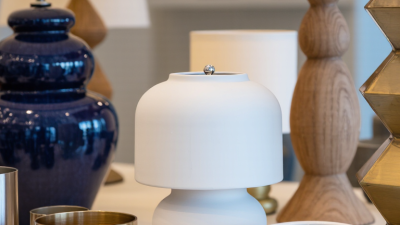
A lamp base does more than keep a shade upright; its material helps set the room’s mood. Ceramic suits traditional bedrooms and relaxed living spaces, especially in soft white, deep blue, or a hand-glazed finish. It feels substantial, but a narrow ceramic base can still tip if paired with a wide, heavy shade. Check the proportions, not just the color.

Wood brings warmth to Scandinavian, rustic, and mid-century interiors. A smooth oak base looks at home on a bedside table, while darker timber can anchor a reading corner. Dust gathers around carved details, so simple shapes may be easier to maintain. Metal works well in industrial or modern rooms. Brushed brass softens a room; black steel adds a sharper edge. Feel the weight. A lightweight base may shift when its cord catches on a table corner.

Glass can keep a small room feeling open, though fingerprints show quickly. For a busy entryway, a sturdy ceramic or metal base may be more practical than delicate glass. In damp areas, check the maker’s care guidance rather than assuming any finish will tolerate moisture. I sometimes focus too much on matching a base to the furniture; the shade, table size, and everyday cleaning routine matter just as much. The best choice is not always the most striking one.

How to Match a Lamp Base with a Shade

A well-matched lamp base and shade should look balanced and work safely together. Start with the shade’s width: a useful guide is about twice the base’s widest point, though a small table may need a narrower shade. Check the fitter and harp, too. The shade should sit securely, cover the bulb from normal viewing angles, and follow the lamp maker’s clearance guidance. Small details matter.

The shade’s shape can echo the base without matching it exactly. A rounded ceramic base often pairs nicely with a tapered shade, while a tall, slender base may suit a simple drum shape. Color affects the feel of the light: pale fabrics usually let more light through, while darker materials can create a softer, more focused glow. A shade can look perfect in a photo and still feel too heavy in person, so check its proportions beside the lamp.

Tips: Measure the base and shade before buying. If possible, place a paper template over the lamp to judge width. Turn the lamp on and check for glare from your usual seat. If the balance seems slightly off, trust that impression and try another size.

Why Choose the Right Lamp Base? — How to Match a Lamp Base with a Shade

A useful starting point is to choose a shade whose diameter is roughly equal to the lamp base height. These approximate inch measurements are a sizing guideline, not a fixed standard; consider the lamp’s overall proportions and ensure the shade works with its harp and fitter.

What to Check Before Choosing a Lamp Base

Why Choose the Right Lamp Base?

What to Check Before Choosing a Lamp Base

Start with stability. A wide, weighted base is less likely to tip when a shade extends far beyond it. Place the lamp on the surface where it will live, then gently nudge the table. A wobble is a warning, not a style detail. Check the base’s footprint against the table, too; a heavy lamp can still feel awkward on a narrow bedside stand.

Check the socket type, maximum bulb wattage, and shade clearance before buying. The bulb should not touch the shade, and the cord should reach an outlet without crossing a walkway. Look for safety certification from a recognized testing body, and confirm that the lamp is intended for its location, especially in damp areas. Small print matters. The National Fire Protection Association’s Home Fires Involving Lamps or Lighting Equipment report estimated about 5,300 U.S. home fires annually involving this equipment during 2014–2018. That figure covers lighting equipment broadly, not lamp bases alone, but it reinforces the value of checking wiring and construction. I once focused too much on a base’s finish; measuring its height and shade balance would have been wiser.

Why Choose the Right Lamp Base? - What to Check Before Choosing a Lamp Base

What to Check Practical Guidance Why It Matters
Stability and footprint Check that the base sits level and has a broad, secure footprint for the lamp’s height and shade. Make sure it fits comfortably on the intended surface. A stable base helps reduce the risk of the lamp tipping when it is bumped or adjusted.
Base weight Compare the base’s weight with the overall size of the lamp and shade. For a taller or wider-shaded lamp, look for a base that feels appropriately substantial. A well-balanced lamp is less likely to wobble or become top-heavy.
Height and shade proportions Consider the lamp’s total height, including the shade, in relation to the table and seating. Check that the shade does not obstruct the view or take up too much space. Proportion affects both the lamp’s appearance and how comfortably it lights a room.
Socket and bulb compatibility Check the socket type and the lamp’s maximum rated bulb wattage. Choose a bulb that fits the socket and stays within the lamp’s stated limits. Correct compatibility helps avoid fitting problems and excessive heat that could damage lamp components.
Electrical rating and safety Verify that the lamp’s voltage and plug are suitable for the place where it will be used. Look for applicable electrical safety certification for your region. Electrical ratings and recognized safety certification help you assess whether a lamp is suitable for local use.
Material and finish Choose a material and finish that suit the room and are practical to clean. Check for a smooth, stable underside and any signs of damage or sharp edges. Material affects durability, maintenance, appearance, and how the base sits on furniture.
Cord routing and switch access Check that the cord can reach an outlet without stretching and can be routed without being pinched beneath furniture. Make sure the switch is easy to reach. Good cord placement reduces everyday inconvenience and helps prevent cord damage or trip hazards.
Surface protection Look for a smooth underside or protective pads, especially if the lamp will sit on a polished or delicate surface. Protection beneath the base can help reduce scratches and scuffs on furniture.
Room and task requirements Consider whether the lamp is for reading, ambient light, or decoration. Check that the base supports a shade and bulb arrangement appropriate to that use. The right setup can make light more useful and comfortable for the intended activity.

Tip: Always follow the lamp’s instructions and rating labels; recommended bulb types and maximum wattage vary by model.