The Ultimate Guide to Tungsten Filament for Global Buyers
Understanding Tungsten Filament is crucial for global buyers. This material offers unique benefits, making it essential in various industries. Tungsten Filament dominates the lighting sector due to its high melting point and efficiency. This filament is not just durable; it also provides superior performance in extreme conditions.
When sourcing Tungsten Filament, buyers must consider several factors. Quality varies widely among suppliers. Not every product meets the same standards or performance metrics. Price is not the only consideration; reliability and quality matter significantly. The choice of supplier can greatly impact operational success.
Buyers should also evaluate their needs. Are they looking for high-quality products or cost-effective solutions? Each decision comes with trade-offs. An informed choice leads to better outcomes, while impulsive ones can lead to regret. Understanding the advantages and limitations of Tungsten Filament is vital for making the right purchase.
Understanding Tungsten Filament: Properties and Applications
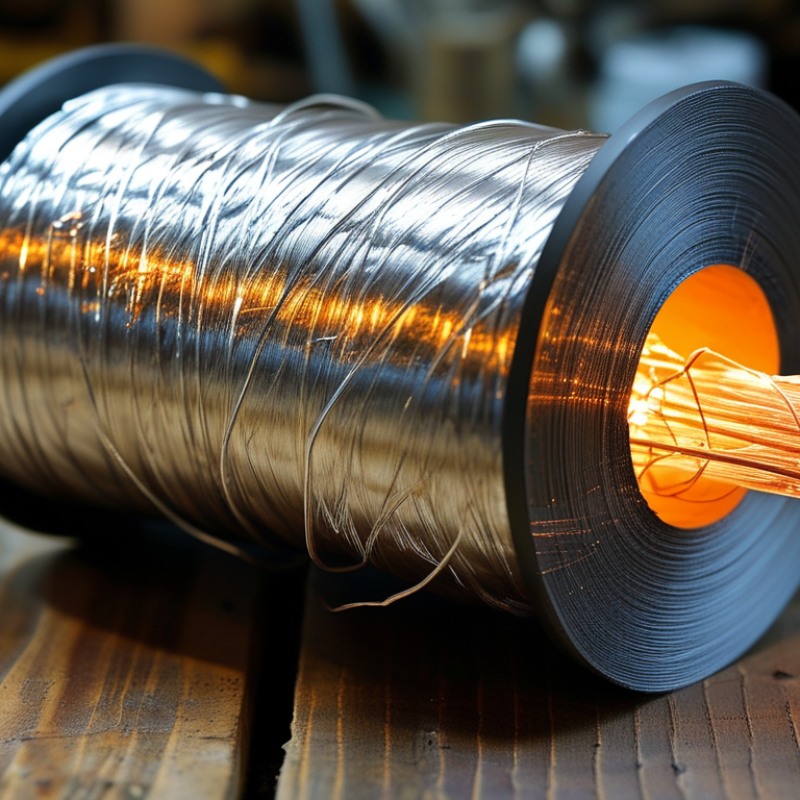
Tungsten filament is celebrated for its remarkable properties, making it a vital component in various applications. Notably, it has an exceptionally high melting point of 3,422°C, allowing it to endure intense operational conditions. This characteristic is crucial in industries like aerospace, where components may be exposed to extreme heat. According to a report by Global Market Insights, the tungsten filament market is projected to reach USD 1.3 billion by 2026, driven by its demand in lighting and electronic applications.
The properties extend beyond heat resistance. Tungsten filaments also exhibit excellent tensile strength and durability, essential for ensuring long-lasting performance. This filament type conducts electricity efficiently, making it indispensable for incandescent lamps. Data from Research and Markets indicate that the lighting segment accounted for over 40% of tungsten filament usage in 2022. However, there are challenges in production, including high costs and the need for precise manufacturing processes.
Emerging technologies, such as 3D printing, offer innovative avenues for utilizing tungsten filaments. However, the industry must navigate hurdles in material consistency and waste reduction. While tungsten provides advantageous properties, manufacturers will need to continually address sustainability issues. Exploring alternative materials may also be essential for long-term viability. These evolving dynamics call for ongoing reflection and adaptation within the sector.
The Ultimate Guide to Tungsten Filament for Global Buyers
| Property |
Value |
Applications |
| Melting Point |
3422 °C |
Light Bulbs, Welding Electrodes |
| Density |
19.3 g/cm³ |
X-Ray Tubes, Aerospace Components |
| Electrical Conductivity |
1.79 x 10^7 S/m |
Electronics, Filament Production |
| Thermal Conductivity |
173 W/m·K |
Heating Elements, Vacuum Applications |
| Tensile Strength |
1510 MPa |
Manufacturing Tools, High-Performance Alloys |
Market Trends: Tungsten Filament Demand in Global Industries
Tungsten filament continues to gain traction in various global industries. Its unique properties, such as high melting point and excellent tensile strength, make it indispensable. The demand arises from sectors like lighting, electronics, and aerospace. In recent years, the shift towards sustainable technologies also boosts tungsten's appeal, as it often outlasts alternative materials.
Production methods play a crucial role in meeting this growing demand. Techniques evolve, yet many manufacturers face challenges in maintaining quality while scaling up output. There are concerns regarding cost fluctuations and sourcing of raw materials. While the global market is optimistic, these uncertainties can hinder consistent supply.
Moreover, the competitiveness of tungsten filament hinges on innovation. Companies must invest in research to develop new applications. However, not every experiment will yield results. Some may require reevaluation or different approaches. This journey reflects the complexities of an evolving market where demand does not always match supply smoothly.
Manufacturing Processes: How Tungsten Filaments Are Made
Tungsten filaments are engineered through intricate manufacturing processes that require precision. The journey begins with tungsten powder, which is fine and pure. This powder undergoes a reduction process to produce tungsten metal. Careful control of temperature and atmospheric conditions is essential during this phase. The resulting tungsten ingots are shaped, often through pressing or extrusion methods.
Once formed, the tungsten is drawn into thin wires. This wire drawing process demands high skill. The thickness of the wire can significantly affect performance. Additionally, each filament must maintain uniformity in diameter to ensure consistent thermal properties. Some manufacturers choose to coat the filaments to enhance performance, though this can complicate production.
Challenges arise during the manufacturing process. Variations in raw material quality can lead to inconsistencies. Moreover, maintaining the integrity of the tungsten during shaping is critical. Filament durability directly impacts the efficiency of devices they are used in. Achieving the perfect balance between strength and flexibility is an ongoing pursuit in tungsten filament production.
Key Players in the Tungsten Filament Market: A Competitive Analysis
The tungsten filament market is a competitive landscape. Industry reports indicate that the global tungsten market is projected to reach approximately $2.59 billion by 2027, growing at a CAGR of 5.6%. Key players in this field are focusing on
innovation and sustainability to capture market share.
Various manufacturers are investing in advanced technologies to enhance filament production efficiency. These technologies improve durability and energy efficiency, appealing to the global buyer's need for cost-effective solutions. However, challenges remain. Some companies struggle with sourcing high-quality tungsten due to geopolitical tensions. This can affect supply chains significantly.
Moreover, the competitive analysis reveals a trend toward consolidation among smaller players. A few dominant companies hold the majority market share. Smaller manufacturers often lack the resources to innovate, which places them at a disadvantage. They must continuously assess market needs and adapt to stay relevant. Overall, the tungsten filament sector presents opportunities, yet it demands vigilance and strategic planning from all players involved.
Future Outlook: Innovations and Sustainability in Tungsten Filament Production
The tungsten filament industry is evolving rapidly, focusing on
sustainability and innovative production methods. Emerging technologies aim to reduce environmental
impact while maintaining high-quality standards. These advancements represent a shift in how
tungsten filaments are produced, with an emphasis on energy efficiency and less waste.
Tips: Research the latest trends in tungsten filament production. Understanding these
innovations can help you make informed decisions.
Sustainable practices are at the forefront of industry discussions. Many producers are exploring ways to
recycle tungsten waste. This not only conserves valuable resources
but also minimizes harmful emissions. However, implementing these practices presents challenges.
There are technical hurdles and financial constraints to consider.
Tips: Consider the ecological footprint of your sourcing decisions. Evaluate suppliers
based on their commitment to sustainability and innovation.
The future of tungsten filaments lies in balancing quality and eco-friendliness. Industry leaders are
beginning to recognize the importance of circular economy principles.
It's crucial to stay updated, as market dynamics shift. However, not all players may embrace these
changes equally, leading to varied practices across the sector.