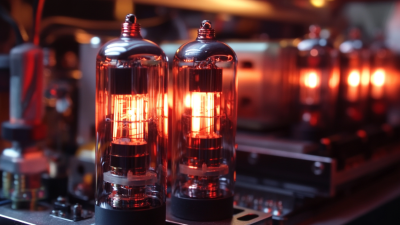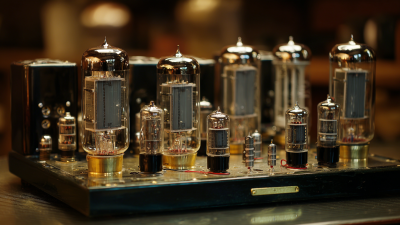
Vacuum Tube Parts may look small, but each component can affect performance, reliability, and service life. A heater that warms unevenly, a grid with the wrong spacing, or a poor glass-to-metal seal can create problems after installation. Global buyers therefore need more than a low quoted price. They need clear specifications, consistent production, and evidence that parts match the intended tube design.
This guide introduces ten commonly sourced components, including cathodes, grids, anodes, filaments, glass envelopes, bases, getters, mica spacers, lead wires, and seals. It explains what each part does and which details deserve attention during supplier reviews. Buyers should compare dimensions, materials, operating limits, packaging, and inspection records. Samples can help confirm fit, though one successful sample does not guarantee every production batch. Small details matter.
Reliable sourcing also depends on asking precise questions. Request drawings, tolerances, material information, and traceability where available. Check whether a supplier can explain its quality checks in practical terms, not just provide broad claims. Requirements vary by tube type and application, so no single checklist fits every purchase. Even experienced buyers can miss a detail; reviewing assumptions before placing an order is worthwhile. This overview offers a practical starting point, while final decisions should rely on verified technical data and the needs of the equipment being maintained or manufactured.
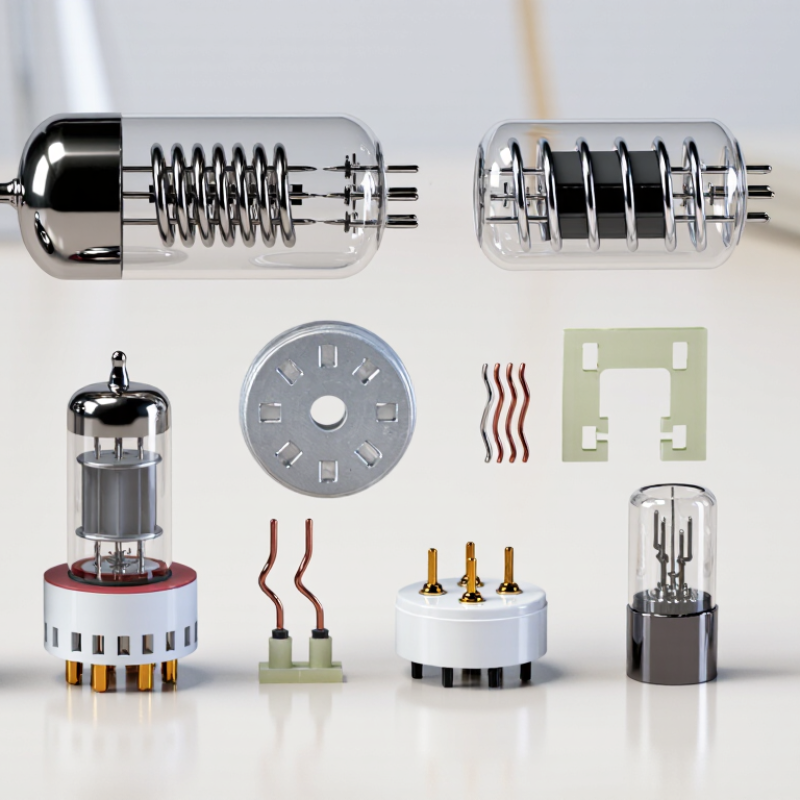
A vacuum tube is a sealed device, but its performance depends on several parts working together. Inside the glass envelope, the cathode releases electrons when heated. A heater or filament supplies that warmth; in some designs, it is separate from the cathode. The control grid sits between the cathode and plate, shaping electron flow and influencing amplification. Small changes in grid condition can affect operation.
Other components matter, too. The plate, also called the anode, collects electrons and dissipates heat. Power tubes may include screen and suppressor grids to manage electron movement. A getter, often visible as a silvery patch inside the envelope, helps maintain a clean vacuum. The base and pins connect internal electrodes to the circuit. Details vary by tube type, so a familiar-looking shape does not guarantee interchangeable parts. It is easy to focus on the visible glass and overlook the internal layout.
Tips: Check the tube’s type markings and pin arrangement before selecting a replacement. Inspect the envelope for cracks, loose parts, or a cloudy getter deposit. Let a tube cool before handling it, and avoid touching hot glass. For specialist equipment, consult its service documentation; visual inspection alone can miss electrical faults. Even careful checks are not perfect. That deserves a second look.
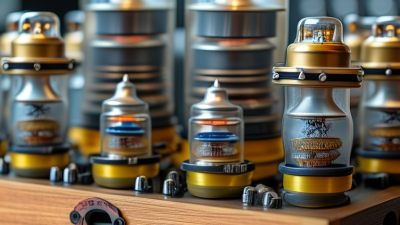
A vacuum tube is a sealed device whose parts work together to control electron flow. The glass envelope holds the vacuum and protects delicate internal structures. Inside, the cathode emits electrons when heated. A heater or filament supplies that heat, though its arrangement varies by tube type. Small parts matter.
The control grid regulates electron flow, much like a valve. Some tubes also have a screen grid to reduce unwanted electrical interaction. A suppressor grid can limit secondary electrons that would otherwise affect performance. The plate, also called the anode, collects electrons and carries the resulting current. Not every tube contains all three grids, so check the technical data before ordering.
A getter helps maintain the vacuum by absorbing residual gas; its silvery deposit may be visible inside the glass. Around the envelope, the base supports the tube and helps it fit the correct socket. Metal pins connect internal electrodes to the circuit. A common sourcing mistake is assuming that similar-looking bases have identical pin layouts. They may not. Check dimensions, pin count, and electrical specifications together; relying on appearance alone is a little too optimistic.
| No. | Part | Typical Material or Form | Function | Buyer Check |
|---|---|---|---|---|
| 1 | Cathode | Coated metal sleeve in indirectly heated tubes; a directly heated filament can also serve as the cathode. | Emits electrons when heated, providing the electron supply for the tube. | Confirm the tube type and cathode arrangement; check for damage or contamination where inspection is possible. |
| 2 | Heater or Filament | Resistive wire or heater element, commonly insulated from an indirectly heated cathode. | Raises the cathode to its operating temperature. In directly heated tubes, the filament itself emits electrons. | Match the specified heater voltage and current, and verify the pin connections against the tube data sheet. |
| 3 | Control Grid | Fine wire wound around support rods and positioned between the cathode and anode. | Controls electron flow and therefore the tube’s output current in many amplifier designs. | Check grid configuration, pinout, and electrical ratings for the intended tube type. |
| 4 | Screen Grid | Open wire grid used in tetrodes and pentodes. | Reduces capacitive coupling between the control grid and anode; it also affects tube operation and requires the specified supply conditions. | Present only in applicable designs. Confirm the screen-grid connection and maximum ratings. |
| 5 | Suppressor Grid | Grid structure used in many pentodes; some designs use a different arrangement or connect it internally. | Helps reduce secondary-emission effects from the anode reaching the screen grid. | Check whether it is internally connected or brought out to a separate pin before selecting a replacement. |
| 6 | Anode (Plate) | Metal electrode, often formed as a plate or other heat-dissipating structure. | Collects electrons emitted by the cathode and dissipates heat generated during operation. | Compare anode voltage and power ratings, electrode geometry where relevant, and signs of overheating. |
| 7 | Envelope | Sealed glass, ceramic, or metal enclosure, depending on tube construction. | Maintains the internal vacuum and protects the electrode assembly from the surrounding atmosphere. | Inspect for cracks, broken seals, or other visible damage; confirm the envelope style and dimensions. |
| 8 | Base | Insulating base or mounting structure that supports the tube’s external connections. | Provides mechanical support and helps position the tube in its socket. | Match the base type, keying, and physical fit to the equipment’s socket. |
| 9 | Pins or Terminals | Metal pins, caps, or other terminals connected to the internal electrodes. | Carry electrical connections between the tube elements and the external circuit. | Verify pin count, layout, terminal condition, and the exact pinout using the relevant data sheet. |
| 10 | Getter | Reactive material deposited inside many tubes, often visible as a metallic-looking coating on the envelope. | Helps absorb residual gas and maintain a high vacuum after manufacture. | A pale or white getter deposit can indicate loss of vacuum in many glass tubes; appearance varies by construction. |
A tube’s performance depends on how its parts work together, not on one component alone. The heater warms the cathode, which releases electrons for amplification. Uneven heating can cause slow starts or unstable output. The control grid regulates electron flow; its spacing from the cathode affects gain and distortion. Small gaps matter. The plate collects electrons and must dissipate heat without deforming. Mica spacers and support rods help keep the internal structure aligned during vibration and temperature changes. In practical inspection, small alignment shifts can be easy to miss, yet they may change operating behavior.
Tips: Check the heater rating, pin condition, and glass envelope before installation. Look for loose pins, cracks, or white deposits that may indicate a damaged vacuum seal. A getter’s reflective surface can offer a useful clue, but it is not a complete test. Verify specifications with reliable test equipment.
The envelope, base, seals, and internal supports also influence reliability. A sound seal maintains the vacuum, while clean, firmly fitted pins support steady electrical contact. Poor heat management can shorten service life, even when the tube initially tests well. One assumption worth questioning is that a higher test reading always means a better part. Compatibility, operating conditions, and consistent construction matter too. When sourcing components, request clear specifications and inspect samples rather than relying on appearance alone.
For vacuum tube parts, compare operating data, not just part numbers. Check heater voltage and current, maximum anode voltage, plate dissipation, transconductance, and pin configuration. Values depend on test conditions, so ask for the stated operating point. A tube’s heater may match while its pinout does not. Check base dimensions and socket fit before approving a substitute.
The WSTS 2024 report recorded global semiconductor sales of $526.8 billion in 2023, down 8.2% from 2022. This is not a vacuum-tube market estimate, but it illustrates why buyers should verify availability and lot consistency rather than assume stable supply. For sockets and shields, request material, finish, temperature rating, and dimensional tolerances. IEC 60068-2 provides test methods for vibration, shock, heat, and cold; ask suppliers for the actual test profile and results. “Industrial grade” alone is not evidence. One detail is easy to miss: lifetime figures mean little without the operating conditions, sample size, and failure criteria behind them. Request dated datasheets, lot traceability, and protective packing details before placing an order.
Heater or filament voltage is one useful specification to verify when sourcing vacuum tubes. The chart shows nominal heater voltage for common tube types; 12AX7 and 12AU7 are shown in their 6.3 V heater configuration.
Before ordering, confirm the exact tube designation, heater wiring and current requirements, pinout, maximum ratings, dimensions, and applicable test or quality requirements. Check the relevant datasheet, since compatible-looking tubes are not necessarily interchangeable.
Global buyers should assess more than the glass envelope. Check heater continuity, pin alignment, mica spacing, seal condition, and plate or grid materials against approved drawings. Request lot-level test records, date codes, and clear defect limits; a generic certificate cannot reveal weak emission or noisy operation. Small details matter. Visual inspection alone is easy to overtrust.
Compare suppliers using sample tests and traceable material declarations, not price alone. Verify dimensions, electrical ratings, packing methods, and substitution rules before releasing purchase orders. When legacy parts lack complete records, document the gap and test incoming samples. UNCTAD’s Review of Maritime Transport 2024 reports maritime trade grew 2.4% in 2023 and forecasts 2.7% growth for 2024. These figures are not tube-specific, but they underline why buyers should allow for changing lead times.
Shipping plans should protect glass and metal parts with rigid dividers, moisture barriers, and suitable shock indicators. Record carton orientation, gross weight, and inspection photos before dispatch. The WTO’s April 2024 trade outlook projected 2.6% merchandise-trade volume growth for 2024, while route and customs timelines remain variable. Confirm documents with the carrier, build realistic delivery windows, and inspect packaging on arrival. Not foolproof, but better.