Top 10 Uses of Fluorescent Powder in Global Industries?
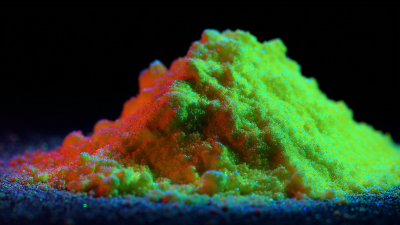
Fluorescent powder plays a pivotal role across various industries, showcasing its versatility and utility. According to a recent report by Grand View Research, the global fluorescent powder market is projected to reach USD 7.8 billion by 2027, growing at a CAGR of 6.5%. This growth underscores the increasing demand for these materials in sectors such as paints, coatings, and plastics.
In the automotive industry, fluorescent powder enhances visibility and safety. It is used in paints and coatings, improving nighttime visibility for vehicles. Similarly, the electronics sector utilizes fluorescent powders in displays and lighting, contributing to energy-efficient solutions. A report by Technavio states that the global LED market, which often incorporates fluorescent materials, is expected to grow by 12% annually through 2025.
However, reliance on fluorescent powder must be scrutinized. Environmental concerns arise around the production and disposal of these materials. For instance, there is ongoing debate about the sustainability of certain fluorescent compounds. In conclusion, while fluorescent powder offers remarkable benefits, careful consideration is essential to mitigate its environmental impact.

Applications of Fluorescent Powder in Lighting Technologies
Fluorescent powder plays a critical role in lighting technologies, enhancing visibility and energy efficiency. These powders convert ultraviolet light into visible light, making them essential for various applications. Fluorescent lights are increasingly popular in residential, commercial, and industrial settings. They provide bright illumination while consuming less energy, which can lead to lower electricity bills.
In street lighting, fluorescent powders improve safety by increasing visibility at night. This technology helps reduce accidents on poorly lit roads. In the world of advertising, fluorescent signage can captivate attention and attract customers. Bright and vibrant colors make messages stand out, especially in low-light conditions.
Tips: When choosing fluorescent lighting, consider color temperature. Warmer tones create a cozy atmosphere, while cooler tones are more energizing. Experiment with different intensities to find the best fit for your space.
While fluorescent powders offer many benefits, they are not without drawbacks. Some individuals experience discomfort from the flickering lights. Proper installation and quality control can help mitigate these issues. Always perform regular maintenance to ensure optimal performance and reduce potential hazards.
Top 10 Uses of Fluorescent Powder in Global Industries
| Application |
Industry |
Description |
| LED Lighting |
Lighting Technology |
Enhances color rendering and efficiency of LEDs. |
| Display Screens |
Consumer Electronics |
Used in screens to improve brightness and vibrancy. |
| Safety Markings |
Construction and Safety |
Fluorescent powder makes safety signs more visible. |
| Textile Industry |
Fashion and Apparel |
Dyes and inks used in fabrics to create vibrant colors. |
| Paints and Coatings |
Manufacturing |
Enhances visibility and effects in various coatings. |
| Security Features |
Banking and Security |
Fluorescent features in banknotes and ID cards. |
| Optical Brighteners |
Household Products |
Used in detergents to make whites appear brighter. |
| Biomedical Applications |
Medical Technology |
Used in imaging and diagnostics for better visibility. |
| Advertising Displays |
Marketing |
Creates eye-catching visuals for promotions. |
| Cosmetics |
Beauty and Personal Care |
Used in makeup products for a glowing effect. |
Role of Fluorescent Powder in Security and Anti-Counterfeiting Measures
Fluorescent powder plays a crucial role in security and anti-counterfeiting measures across various industries. These vibrant powders emit bright colors under specific lighting conditions. This property can significantly help differentiate genuine products from counterfeit ones. Many countries utilize fluorescent inks in currency. These inks contain fluorescent powders that glow under UV light, adding an extra layer of protection.
In the field of document verification, fluorescent powders are also valuable. Official documents often incorporate them, ensuring authenticity. Inspectors can use UV light to identify these hidden features. This makes it hard for counterfeiters to replicate documents accurately. However, not all fluorescent powders are effective. Some may fade or lose their brightness over time, which raises concerns about long-term reliability.
Companies continue to explore innovative uses for these powders. They are tested in various applications, including packaging and labels. Still, reliance on fluorescent features alone is risky. Counterfeiters are getting smarter, developing new techniques to bypass these security measures. Constant research and development are needed to stay ahead of these threats.
Fluorescent Powder in the Automotive Industry: Enhancing Safety Features
Fluorescent powder has become vital in the automotive industry, significantly enhancing safety features. This technology absorbs light and re-emits it, making components visible in low-light conditions. For instance, it is commonly used in road markings and signage. When headlights hit these markings, they glow brightly, providing clear guidance to drivers at night.
Another application is within vehicle interiors. Fluorescent powder is often embedded in dashboard displays. It helps ensure that critical information, such as speed and fuel levels, is easily readable in dim light. However, challenges exist. Not all fluorescent materials have the same durability. Some may fade over time due to exposure to UV light, reducing their effectiveness. This creates a need for ongoing research to find long-lasting solutions.
Additionally, manufacturers must be cautious about the environmental impact of these materials. The production and disposal process could pose risks if not managed properly. Car manufacturers are exploring eco-friendly options. Yet, the balance between performance and sustainability remains a work in progress. This ongoing quest reflects the industry's commitment to both safety and environmental stewardship.
Use of Fluorescent Powder in Consumer Electronics for Display Enhancements
Fluorescent powder plays a vital role in enhancing consumer electronics, particularly in display technology. It allows screens to produce vibrant colors and sharper images. This results from the powder's unique ability to absorb light and re-emit it at specific wavelengths. The materials used in these powders can vary, affecting brightness and color fidelity.
Many electronic devices now utilize these powders to improve user experience. For instance, smartphones often incorporate fluorescent materials in their displays. The result is visually stunning content that captivates users. However, the application of fluorescent powder is not without challenges. Some powders may degrade over time, leading to diminished performance.
Additionally, the production of high-quality fluorescent powder can be complex and expensive. This can hinder its widespread use in lower-end devices. Manufacturers must strike a balance between cost and quality to meet consumer expectations. Testing and refining the material can take time, leading to production delays. In the fast-paced tech market, these issues require careful consideration.
Fluorescent Powder in Medical Diagnostics and Imaging Techniques
Fluorescent powder plays a crucial role in medical diagnostics and imaging techniques. This compound is instrumental in enhancing the sensitivity and contrast of various imaging modalities. For instance, in fluorescence microscopy, fluorescent powders can improve the detection of specific biomolecules within complex biological samples. The use of these powders allows for better visualization of cellular structures, contributing significantly to research and diagnostics.
Recent industry reports indicate that the global market for fluorescent dyes, which includes powdered forms, is projected to reach $4.5 billion by 2026. This growth is driven by increased investments in healthcare and research. Moreover, advancements in diagnostic imaging techniques, such as PET and fluorescence imaging, highlight the need for high-quality fluorescent materials. These materials are pivotal in early disease detection and personalized medicine.
However, challenges remain. The reproducibility of results can vary depending on the purity of the fluorescent powder used. Some studies suggest that impurities may lead to inconsistent imaging outcomes. This emphasizes the importance of stringent quality control measures in the production and application of fluorescent powders in medical diagnostics. Further research is needed to refine these techniques and enhance their reliability in clinical settings.