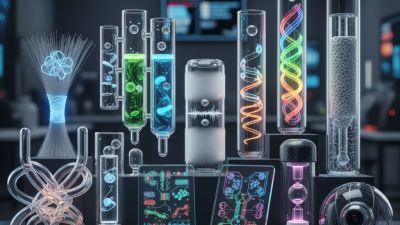
2026 Top Trends in Glass Tube Designs and Applications?
In recent years, Glass Tube innovations have revolutionized various industries. From healthcare to construction, their applications are expanding rapidly. As we approach 2026, it's essential to explore emerging trends in glass tube designs.
One notable trend is the rise of customizable glass tubes. Companies now offer tailored solutions for specific needs. This adaptability enhances functionality and aesthetic appeal. Additionally, the focus on sustainability is evident. Manufacturers are prioritizing eco-friendly materials and production methods. This shift reflects a growing commitment to environmental responsibility.
Smart technology is another game-changer. Integrating sensors into glass tubes can monitor contents in real-time. However, challenges remain in balancing design with function. As we advance, it's crucial to critically evaluate these developments. Understanding both the possibilities and limitations will shape the future of glass tube applications.
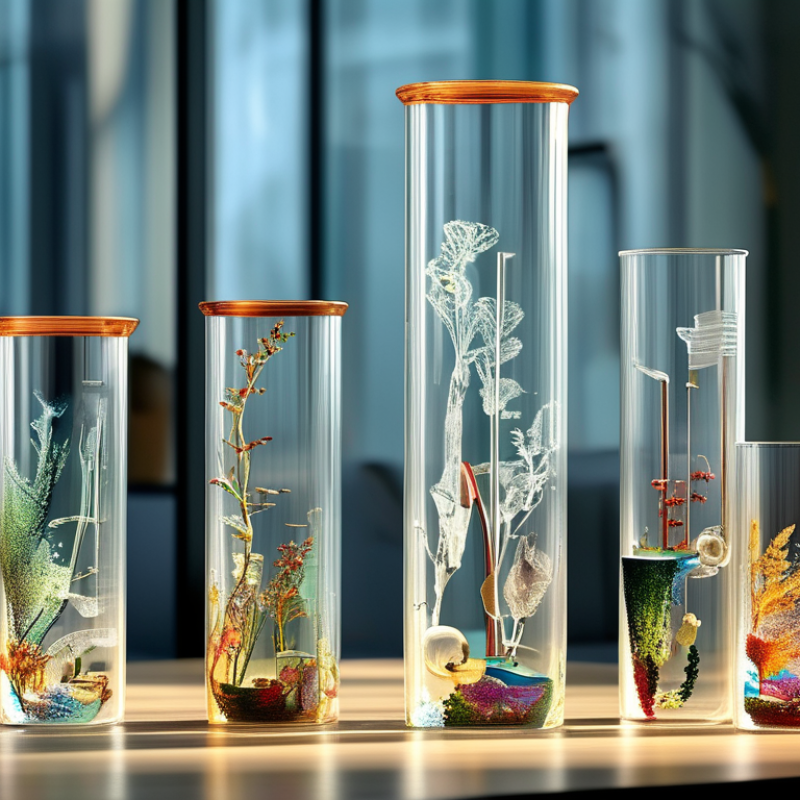
Emerging Innovations in Glass Tube Manufacturing Techniques
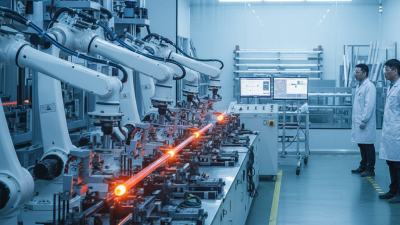
The glass tube manufacturing landscape is evolving rapidly. Recent innovations are transforming how these essential items are produced and utilized. One significant development is the adoption of automated processes. Automation improves precision and reduces production time, yet it also raises questions about job displacement and the skill gap in the workforce.
Another trend is the use of sustainable materials. Manufacturers are exploring eco-friendly glass formulations that minimize environmental impact. This shift reflects growing consumer awareness about sustainability. However, the impact of these materials on product durability remains a concern. How sustainable can glass tubes be, while still meeting rigorous performance standards?
Advanced techniques like 3D printing are now being experimented with in glass tube production. This method allows for intricate designs that were once deemed impossible. It offers unmatched customization but introduces challenges in ensuring structural integrity. Balancing innovation with reliability is crucial as the industry moves forward. As these trends develop, continuous reflection on their implications will guide future improvements in glass tube design and application.
Sustainable Materials and Eco-Friendly Practices in Glass Tube Production
The demand for sustainable materials is reshaping glass tube production in innovative ways. Eco-friendly practices are gaining traction among manufacturers looking to minimize their environmental impact.
One notable trend is the use of recycled glass in tube designs. This approach significantly reduces waste and energy consumption. Recycled glass can be transformed into new products with minimal processing, promoting circular economy principles.
In addition, many producers are adopting green energy sources for their manufacturing processes. Solar and wind energy are becoming more prevalent. This shift reduces reliance on fossil fuels.
However, challenges remain. Transitioning to these energy sources may require significant initial investments. Some manufacturers struggle with scalability and efficiency.
Lastly, sustainable packaging for glass tubes is on the rise. Companies are exploring biodegradable materials for packing. While this is a step forward, questions about durability and performance remain.
How can packaging protect the fragile tubes while also being eco-friendly? This tension continues to prompt discussion within the industry. Adjusting traditional practices will require ongoing innovation and commitment.
The journey toward sustainability is complex but necessary.
Key Applications of Glass Tubes in Industries like Medicine and Technology
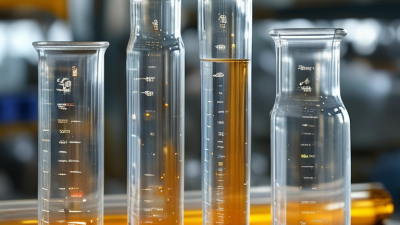
Glass tubes have become essential in various industries, particularly in medicine and technology. In the medical field, glass tubes are widely utilized for laboratory testing. Their inert properties prevent chemical reactions, ensuring accurate test results. They are used to store blood samples, vaccines, and other sensitive substances. The clarity of glass also helps in visual inspections, allowing medical professionals to detect any abnormalities at a glance.
In technology, glass tubes are crucial for fiber optics and lasers. They transmit light signals with minimal loss. The precision in manufacturing glass tubes enhances the performance of electronic devices. Engineers regularly experiment with different shapes and sizes to optimize functionality. However, creating the ideal design remains a challenge.
Despite advancements, some glass tube applications face limitations. Breakage is a constant concern in high-pressure environments. The fragility of glass requires better handling and protective measures. Researchers are looking at alternative materials or coatings to increase durability. This field continues to evolve, demanding innovative solutions to meet the needs of both industries.
Design Aesthetics: Trends in Glass Tube Shapes and Colors
The design aesthetics of glass tubes are evolving rapidly. In recent years, shapes and colors have shifted, catering to diverse consumer preferences. According to a recent industry report, nearly 60% of designers prioritize unique shapes. Tubes with geometric patterns and asymmetrical forms are now widely sought after. These trends reflect a desire for more personalized designs.
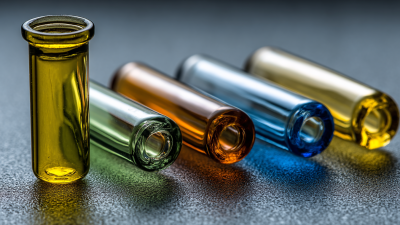
Color plays a pivotal role in the current glass tube market. Vivid hues dominate the landscape, with 40% of consumers choosing vibrant shades over traditional clear glass. Pastel tones are also gaining traction, appealing to minimalist aesthetics. These choices allow for greater customization in various applications, from home decor to functional items. However, while many embrace these trends, some designers argue about the long-term feasibility of unconventional shapes. They raise concerns over production costs and market acceptance.
Collaboration between designers and manufacturers remains crucial. Effective communication could streamline the design process. Nevertheless, the balance between creativity and practicality needs constant evaluation. Emphasizing innovation is essential, yet practicality should not be overlooked. As the market grows, understanding these dynamics will be vital for future success.
2026 Top Trends in Glass Tube Designs and Applications
| Design Trend |
Description |
Color Trends |
Application Areas |
| Sustainable Materials |
Increasing use of eco-friendly glass materials that are recyclable and energy-efficient. |
Natural tones such as green and blue. |
Household products, Health & wellness. |
| Minimalist Designs |
Focus on clean lines and functionality without excessive embellishments. |
Monochrome shades like white and black. |
Home decor, Office supplies. |
| Colorful Gradients |
Incorporation of vibrant gradient colors for aesthetic appeal. |
Vibrant gradients combining purple, pink, and orange. |
Art installations, Decorative items. |
| Textured Surfaces |
Introduction of various textures for visual interest and grip. |
Muted earth tones with textured finishes. |
Personal care products, Packaging. |
| Smart Glass Technology |
Integration of smart features such as self-cleaning and temperature control. |
Futuristic metallic shades like silver and chrome. |
Architecture, Automotive applications. |
Future Prospects: The Role of Glass Tubes in Smart Technologies and IoT
In the rapidly evolving landscape of smart technologies and IoT, glass tubes are carving out a niche. Their lightweight and durable nature makes them ideal for various applications. In healthcare, glass tubes can be utilized for smart syringes that monitor dosage. This can greatly enhance patient care and medication accuracy. Their transparency allows for easy observation, which is crucial in monitoring processes.
Furthermore, glass tubes are being integrated into sensors and devices. These tubes can house electronics that detect changes in environment or health metrics. For instance, transparent glass tubes with embedded sensors can monitor temperature or humidity levels. This transparency is not just a design choice; it offers real-time data access. Yet, the fragility of glass can pose challenges. Balancing durability with design will be essential for widespread adoption.
Looking at the future, the role of glass tubes in IoT appears promising yet needs careful consideration. Innovations should focus on creating more resilient glass materials. Finding a balance between innovation and practicality is crucial. The journey toward fully realizing the potential of glass tubes will require collaboration across multiple fields. There’s room for improvement, making this an exciting area for research and development.