Top 10 Lamp Socket Types You Need to Know?
Understanding lamp socket types is crucial for anyone involved in lighting design or home improvement. According to Dr. Emily Carter, a lighting design expert, "The lamp socket is often overlooked, yet it plays a vital role in both function and aesthetics." This highlights the importance of comprehending the various types available in the market.
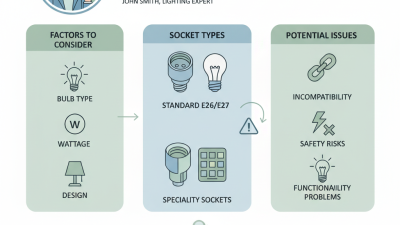
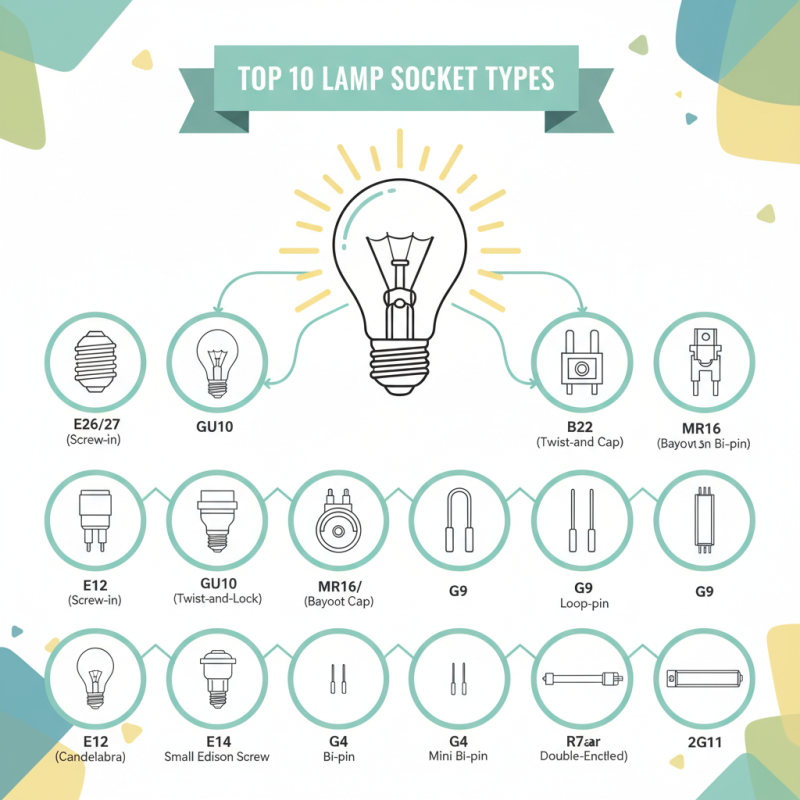
Every lamp socket type has its unique features and uses. From standard E26 sockets to more specialized types like GU10 or B22, each serves different purposes. Furthermore, the choice of a lamp socket can affect the overall look and safety of your lighting fixtures. It is essential to consider the right fit for your needs.
Exploring the world of lamp sockets may reveal surprising complexities. Many people underestimate the significance of compatibility and safety standards. Missteps in this area can lead to functionality issues or even hazards. By learning about the top ten lamp socket types, you’ll make informed decisions for your projects.
Understanding Lamp Sockets: An Overview of Their Importance
Lamp sockets play a crucial role in lighting solutions, yet they often receive little attention. Understanding different socket types enhances safety and performance. For instance, certain types support higher wattages and voltages, accommodating various bulb styles. According to the National Electrical Manufacturers Association (NEMA), improper socket types can cause flickering and overheating, posing risks.
A 2022 report from the U.S. Department of Energy revealed that about 30% of lighting failures stem from faulty sockets. This highlights the need for appropriate socket selection. Different lamp designs require compatible sockets to function effectively. Not all sockets are created equal when it comes to longevity and efficiency. The failure to recognize this can lead to increased energy consumption and frequent replacements.
Moreover, user education is often lacking. Many consumers choose sockets without knowing their specifications. A mismatch may lead to annoying performance issues or even safety hazards. Experts consistently recommend consulting guidelines on lamp socket types before making a choice. Recognizing your needs and doing thorough research can make a significant difference in lighting quality and safety.
Different Types of Lamp Sockets and Their Common Applications
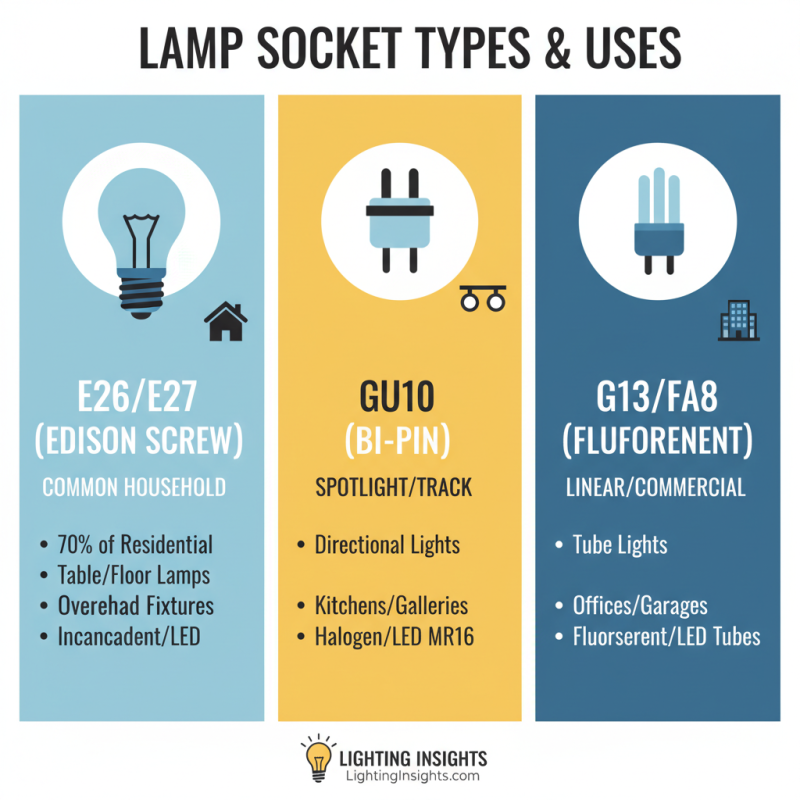
Lamp sockets are crucial components in lighting fixtures. They come in various types, each with specific applications. For instance, the E26 socket is commonly used in household fixtures. According to industry reports, nearly 70% of residential lighting utilizes this standard size. These sockets support a variety of bulbs, including incandescent and LED.
Another popular type is the GU10 socket, often found in track lighting and recessed fixtures. Industry data shows that GU10 bulbs are favored for their directional lighting. This type allows for easy swapping of bulbs, promoting versatility in design. However, installation requires precision, and poor fitting can lead to malfunctions.
Yet, not all sockets meet the highest safety standards. Some lower-cost options may lack durability. Reports indicate growing concerns over the reliability of cheaper fixtures. Users should consider safety certifications and longevity when choosing lamp sockets. This choice affects lighting efficiency and energy consumption significantly. The right socket choice enhances both aesthetics and functionality in any lighting project.
Key Features of Popular Lamp Socket Designs
When choosing the right lamp socket, understanding its design is crucial. Each socket type serves specific purposes and has unique features. For instance, the E26 socket is popular in North America, accommodating standard incandescent bulbs. Meanwhile, the GU10 socket is favored for its twist-and-lock mechanism, which ensures a stable connection. It is essential to consider the bulb compatibility and application while selecting a socket.
According to the Lighting Research Center, about 70% of homeowners prefer energy-efficient options. This trend has led to the rise of sockets designed for LED bulbs. These sockets often have a longer lifespan and lower energy consumption. However, not all fixtures support LED technology. This gap can lead to compatibility issues, causing frustration during installation.
Tips: Always check for wattage limits. Some sockets can't handle high-wattage bulbs, leading to potential hazards. Additionally, look for sockets with thermal protection. These sockets reduce the risk of overheating, enhancing safety. Remember to consult reliable sources or industry professionals when you’re unsure. This approach can help you avoid common pitfalls and make informed decisions for your lighting needs.
Top 10 Lamp Socket Types You Need to Know
| Socket Type |
Key Features |
Common Uses |
| E26 / E27 |
Standard medium base for most light bulbs |
Household lighting |
| E12 |
Candelabra socket used for smaller bulbs |
Chandeliers, decorative fixtures |
| GU10 |
Twist and lock type, often used for halogen |
Track lighting, recessed lights |
| B22 |
Bayonet mount, secure and easy to install |
Overhead and pendant lighting |
| MR16 |
Small reflector bulb socket, low voltage |
Accent lighting and outdoor lighting |
| E14 |
Small Edison screw, commonly used in Europe |
Table lamps, sconces |
| R7s |
Junction for linear halogen bulbs |
Floodlights, work lights |
| C7 / C9 |
Small candelabra base, bulb for festive lighting |
String lights, holiday decorations |
| G4 |
Small bi-pin socket, low voltage |
Accent and display lighting |
Safety Considerations When Choosing a Lamp Socket
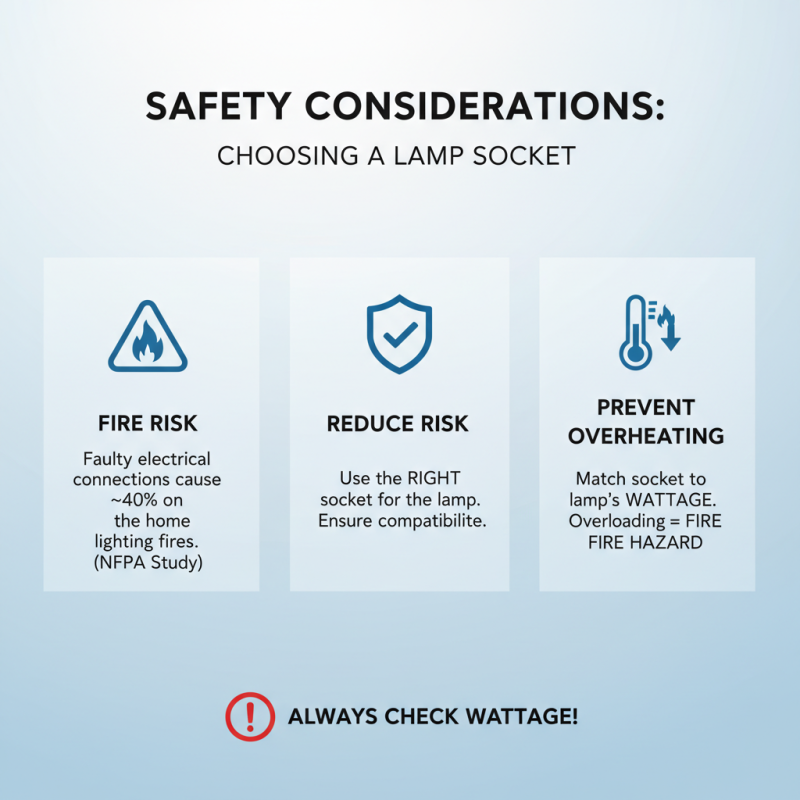
When selecting a lamp socket, safety is crucial. A study by the National Fire Protection Association (NFPA) indicates that faulty electrical connections caused about 40% of home lighting fires. Using the right lamp socket reduces this risk significantly. Always ensure the socket matches the lamp's wattage requirements. Overloading a socket can lead to overheating and potential fires.
Pay attention to materials used in lamp sockets. Many inexpensive options use low-quality plastics that can melt under high temperatures. According to a report from the Electrical Safety Foundation International, substandard materials are a common cause of electrical failures. Investing in certified products ensures longer-lasting and safer use. Regular inspections also matter. Check for signs of wear, such as frayed wires or discoloration, which could indicate electrical issues.
Lastly, installation practices need reflection. Improper installation can compromise socket integrity. A survey by the Home Electrical Safety Project found that 30% of homeowners attempt DIY installations without proper knowledge. When in doubt, consult a professional. This approach guarantees compliance with safety standards and reduces the risk of electrical hazards.
Maintenance Tips for Prolonging the Life of Your Lamp Socket
Lamp sockets play a crucial role in the longevity of your lighting fixtures. Regular maintenance can significantly prolong their lifespan. According to industry studies, over 60% of lamp socket failures are due to improper care. Common issues include dirt accumulation and loose connections. Regularly inspect sockets for debris and ensure they are tight. This minor maintenance can prevent major electrical issues.
Another important tip is temperature control. High temperatures can shorten the lifespan of both the socket and the bulb. A study by the Electrical Safety Foundation International found that overheating is a major contributor to socket wear. Ensure proper ventilation and avoid using high-wattage bulbs in sockets not designed for them. Upgrading to LED bulbs could save energy and reduce heat.
Staying proactive is essential. Monitor your lamp sockets regularly. Look for signs of wear or discoloration. Even minor deterioration can signal a need for replacement. Always prioritize safety when dealing with electrical components. The National Fire Protection Association reports that damaged sockets are linked to household fires. This fact should inspire vigilance in socket maintenance.
Top 10 Lamp Socket Types and Their Common Maintenance Tips