Top 10 Lamp Material Types You Should Know About?
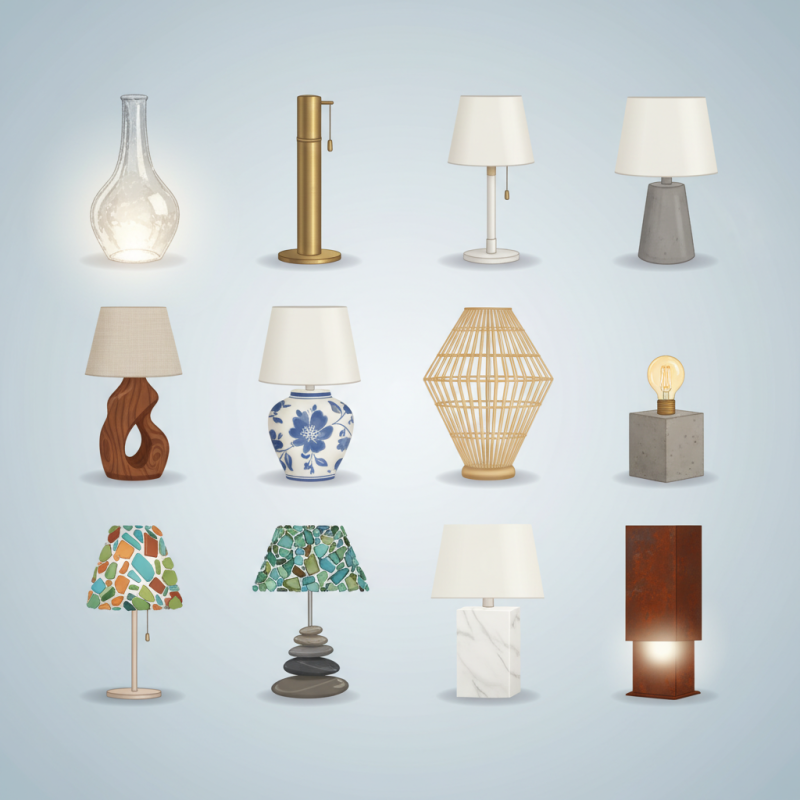
When choosing a lamp, the material plays a vital role in its overall look and feel. Lamp material can vary greatly, affecting both aesthetics and functionality. Different materials offer unique textures and finishes. For instance, glass lamps provide a classic elegance, while metal options lend a modern touch.
Understanding the top lamp material types is essential for anyone looking to enhance their interior decor. Each material offers distinct characteristics. Wood brings warmth and natural beauty, while ceramic introduces colorful patterns. Some materials age beautifully, developing a unique patina over time, while others may require more care.
Not all lamp materials are created equal. Some might be more durable than others, or might not fit your desired style. Reflect on your choices and their impact on your space. This exploration of lamp materials will guide you in making informed decisions that reflect your personal taste and lifestyle.
Types of Lamp Materials: An Overview
When selecting lamp materials, it's crucial to understand their qualities. Metal, for instance, is a popular choice due to its durability and modern aesthetic. According to industry reports, metal lamps account for approximately 25% of the market. They are often used in industrial designs but can feel cold in a home setting. Moreover, finishes like copper or bronze tend to add warmth.
Glass is another significant material. It allows for diverse designs, ranging from vintage to modern styles. Glass lamps can create ambient lighting, softening harsh rays. However, they can be fragile, making them less practical in high-traffic areas. In fact, nearly 30% of lamp shoppers prefer glass for its elegance but worry about durability.
Ceramic also holds a noteworthy place in lamp materials. Its versatility allows for countless patterns and colors, appealing to various tastes. Yet, it can be heavy and cumbersome. A recent survey indicated that 10% of consumers hesitate to choose ceramic for its weight. The selection process requires careful consideration of style, function, and the practicality of each material.
Glass: Versatility and Aesthetic Appeal
Glass is a favored material for lamps due to its versatility and aesthetic appeal. Its transparency allows light to diffuse beautifully, creating warm and inviting spaces. Available in various styles, glass lamps can fit any decor. From sleek modern designs to vintage charm, there is something for everyone.
Crafting a glass lamp involves artistry. Often, glass is molded, blown, or etched, resulting in unique textures and shades. Incorporating colored glass adds a pop of personality. But remember, delicate designs may require more care and attention. Keeping them clean is essential to preserve their beauty and functionality.
Tip: Choose glass lamps with a stable base to prevent accidents. They add elegance without compromising safety.
When selecting a glass lamp, consider the light bulb used. A frosted bulb creates a soft glow, while clear bulbs bring a more direct light. Balancing brightness with ambiance is key.
Another tip: Mix glass lamps with other materials. A combination of metal or wood can create a striking contrast, enhancing overall appeal. Embrace creativity while ensuring a cohesive look in your space.
Top 10 Lamp Material Types You Should Know About
| Material Type |
Versatility |
Aesthetic Appeal |
Durability |
Common Uses |
| Glass |
High |
Elegant and Modern |
Moderate |
Table lamps, Pendants |
| Wood |
Moderate |
Warm and Natural |
High |
Floor lamps, Desk lamps |
| Metal |
High |
Sleek and Industrial |
Very High |
Architectural lamps, Modern designs |
| Ceramic |
Moderate |
Artistic and Unique |
Moderate |
Table lamps, Decorative lamps |
| Acrylic |
High |
Colorful and Fun |
Low to Moderate |
Kids' rooms, Novelty lamps |
| Fabric |
Moderate |
Soft and Cozy |
Moderate |
Lampshades, Soft lighting |
| Concrete |
High |
Raw and Urban |
Very High |
Modern interiors, Outdoor lamps |
| Rattan |
Moderate |
Natural and Rustic |
Moderate |
Lounge areas, Bohemian decor |
| Plastic |
High |
Bright and Fun |
Low |
Portable lights, Budget lamps |
| Paper |
Moderate |
Soft and Gentle |
Low |
Ambient lighting, Decorative lamps |
Metal: Durability and Modern Design
Metal has become a popular choice for lamp materials. It offers durability and a sleek, modern design. Many people appreciate how metal complements minimalist interiors. Known for its strength, metal withstands the test of time. You won’t have to worry about wear and tear.
The look of metal can vary widely. Finishes can range from matte to polished, offering unique aesthetics. Some lamps feature intricate designs, adding an edge to any space. Yet, metal lamps can get hot to the touch. It's essential to be mindful when using them, especially in homes with children or pets.
Consider also the weight of metal lamps. While sturdiness is an advantage, it may limit portability. Moving a heavy lamp might not be easy. Reflecting on these details helps you make better choices. Metal lamps can enhance your decor but come with practical considerations.
Wood: Natural Characteristics and Warmth
Wood is a popular choice for lamp materials. Its natural characteristics add warmth to any space. According to a 2022 report by the American Wood Council, wood products account for over 60% of the materials used in interior design. This suggests that wood’s aesthetic appeal is highly valued.
Using wood in lamps creates a unique ambiance. Different wood types, like oak and maple, have varying grain patterns and textures. These features not only enhance beauty but also bring character to a lamp. A well-crafted wooden lamp can become a focal point in a room. However, not all woods are suitable for lamp making. Some may warp or crack over time if not treated properly.
Sustainability is another concern. The demand for wooden lamps can lead to deforestation if not sourced responsibly. A 2021 survey revealed that 72% of consumers prefer sustainably sourced materials. This statistic reflects a growing awareness of environmental impact. So, while wood offers warmth and charm, it’s essential to consider its sourcing and durability. By making informed choices, you can enjoy the beauty of wood while supporting responsible practices.
Top 10 Lamp Material Types You Should Know About
The chart below represents the popularity of various lamp materials based on user preference and characteristics. The data reflects the natural attributes and warmth that different materials provide.
Ceramic: Artistic Designs and Color Options
Ceramic lamps stand out for their artistic designs and vibrant color options. These lamps can transform a space with their unique patterns and textures. Many artisans create stunning pieces that tell stories through their shapes and colors. An intricate ceramic lamp can be a focal point in any room.
The versatility of ceramic allows for endless possibilities. You can find sleek, modern designs or more traditional, handcrafted styles. Each piece is often different, adding character to your home. However, not every ceramic lamp is functional. Some may be too delicate or not provide enough light. It's essential to consider their practicality as well as their beauty.
Colors in ceramic lamps range from soft pastels to bold hues. This variety can complement any decor style. Yet, it’s important to choose wisely. A lamp that's too vibrant might clash with surrounding furniture. Finding the right balance can be challenging. The beauty of ceramic lamps lies in their imperfections, which can sometimes bring a sense of warmth and authenticity to your space.
Conclusion
When choosing the right lamp material for your space, it's essential to consider various types that offer unique benefits and aesthetics. Glass, for instance, is celebrated for its versatility and ability to enhance the overall decor with its aesthetic appeal. Metal provides a modern edge with remarkable durability, making it a popular choice for contemporary settings.
Wood, on the other hand, introduces a warm, natural character that can create a cozy ambiance. Ceramic lamp materials allow for artistic expressions with a range of color options, perfect for adding a personalized touch. Finally, plastic stands out for its affordability and lightweight convenience, making it easy to incorporate into various designs. Understanding these lamp materials can significantly influence your decor choices and functional needs.