Leave Your Message

Top 10 Lamp Holder Types You Need to Know About?

Lamp holders play a crucial role in lighting fixtures. According to the Lighting Research Center, lamp holders account for nearly 15% of lighting failures. This statistic highlights their importance in ensuring reliable performance. Dr. John Smith, a renowned expert in lighting technology, states, "Understanding lamp holder types can enhance both safety and efficiency in lighting design."

Choosing the right lamp holder type is essential for both homeowners and designers. With choices ranging from screw to bayonet types, each option comes with specific applications and installations. The diversity of lamp holders reflects the growing need for customized lighting solutions in various environments. However, many users overlook this aspect, leading to potential lighting issues.

A flawed choice can lead to inefficiencies and safety hazards. It is vital for consumers to stay informed about the options available. As the market evolves, so does the technology behind lamp holders. Continuous learning and adaptation are important for making the right decisions.
Top 10 Lamp Holder Types You Need to Know About?

Types of Lamp Holders: An Overview of Basic Categories

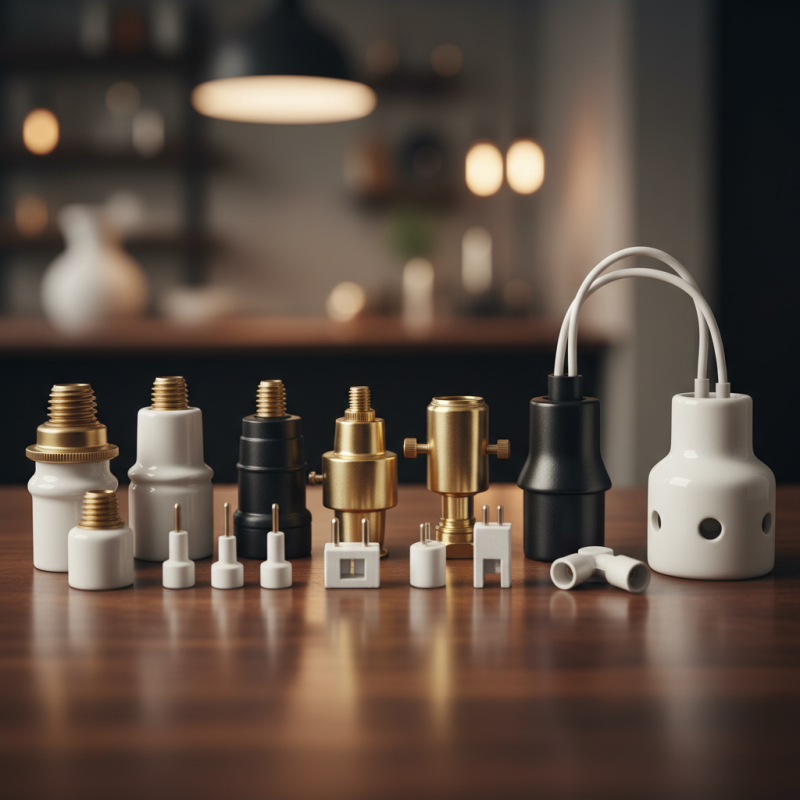
When choosing a lamp holder, understanding the different types is crucial. Lamp holders come in various designs, each serving unique purposes. Key categories include screw-in, bayonet, and pin-based holders. According to recent industry reports, screw-in types dominate the market, accounting for around 60% of all lamp holder sales. Bayonet types are also popular, especially in Europe.

Tips: Consider the bulb type you will use. It directly influences your choice of lamp holder. Ensure compatibility, as mismatched holders can lead to performance issues.

For residential settings, a standard E26 or E27 screw holder is often sufficient. In contrast, commercial spaces might require more specialized holders for specific lighting needs. However, many individuals overlook the wattage ratings. Using a higher wattage bulb can overheat the holder, creating safety risks.

Tips: Always check wattage limits before installation. This simple step can prevent potential hazards. When selecting a lamp holder, prioritize both form and function. Remember, not all designs are suitable for every environment. Choosing carefully can enhance both the aesthetic and safety of your space.

E26 and E27: The Most Common Lamp Holder Types Explained

Top 10 Lamp Holder Types You Need to Know About?

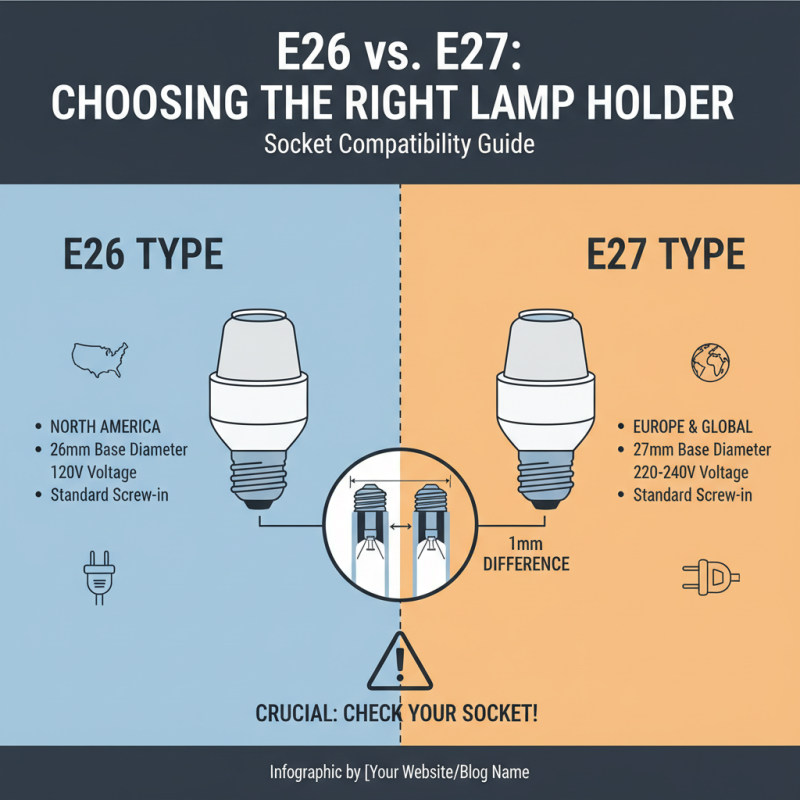
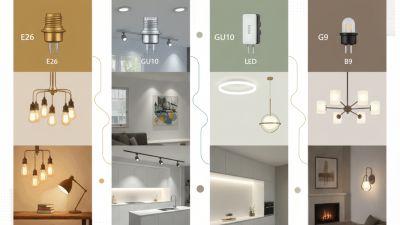
When it comes to lamp holders, E26 and E27 types are two of the most common options. Both have a similar design, making them popular for various light fixtures. The E26 is primarily used in North America, while the E27 is more common in Europe. These small details can cause confusion for users. Knowing which one fits your socket is crucial.

E26 lamp holders have a base diameter of 26 mm. They typically work with standard light bulbs. On the other hand, the E27 has a slightly larger base at 27 mm. While they may seem interchangeable, using the correct type is essential for safety and functionality. An incorrect match can lead to flickering lights or even electrical issues.

It's fascinating how a lamp holder can impact your lighting experience. The choice between E26 and E27 affects not just the bulb but the entire ambience of a room. You might find yourself experimenting with different bulbs. This search for the perfect light can become a rewarding adventure. Mistakes are part of the process, and reflectiveness helps refine your choices. Ultimately, understanding the difference can enhance your lighting projects significantly.

GU10 and MR16: Spotlight Fixture Holders and Their Uses

Top 10 Lamp Holder Types You Need to Know About?

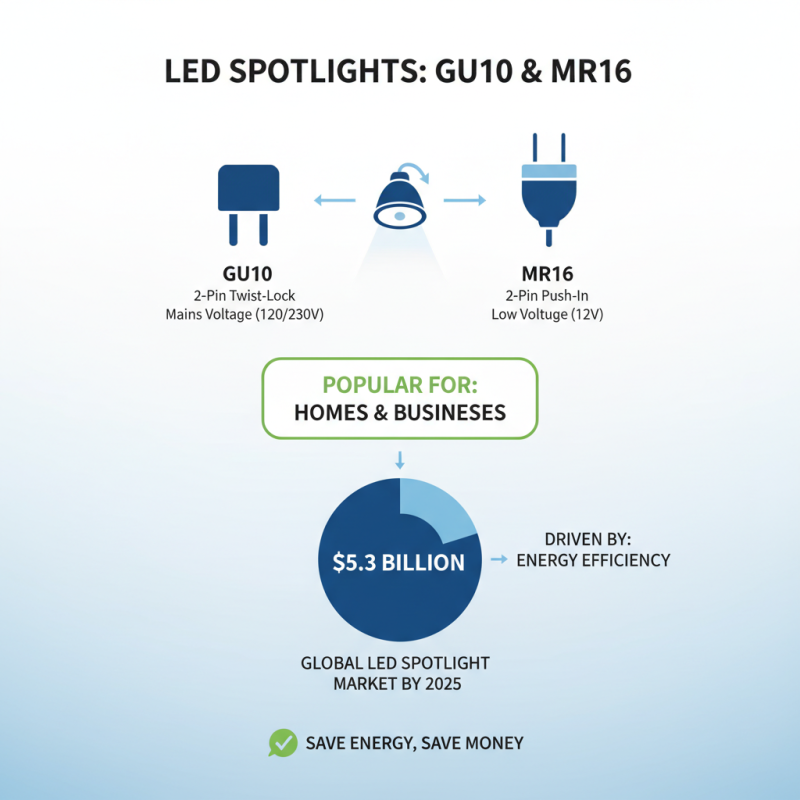
GU10 and MR16 lamps are popular choices for spotlight fixtures. They are often used in residential and commercial spaces. Indeed, according to industry reports, the global LED spotlight market is expected to reach $5.3 billion by 2025. This growth is driven largely by the demand for energy-efficient lighting solutions.

GU10 holders are frequently used in track lighting and recessed fixtures. They have a twist-and-lock mechanism, making bulb replacement easy. The MR16, on the other hand, is typically used in more specialized applications. It provides better light quality for art galleries and retail displays. High-quality MR16 bulbs can have a Color Rendering Index (CRI) exceeding 90, making them ideal for showcasing products.

However, users sometimes overlook the significance of choosing the right lamp holder type. The efficiency and performance of the fixture heavily depend on this choice. Some find it challenging to determine if GU10 or MR16 suits their needs better. Misunderstanding the specifications can lead to poor lighting results. There remains a need for awareness in selecting appropriate holders to maximize energy efficiency and visual appeal.

B22 Bayonet vs. E27 Screw: A Comparative Analysis

When it comes to lamp holders, the B22 bayonet and E27 screw types stand out. According to the latest industry data, around 60% of lamps use the E27 screw base globally. The B22 bayonet, popular mainly in the UK and other Commonwealth countries, holds a smaller share but remains significant. These differences in popularity illustrate consumer preferences shaped by local standards and design trends.

The B22 features a simple push-and-twist mechanism. This can make installation quick and straightforward, especially in low-light settings. However, it might not offer as stable a connection as the E27 due to its two-pronged design. On the other hand, the E27 screw provides a more robust fit with a single twisting action. Yet, it can be cumbersome for some users, particularly those with limited dexterity.

Choosing between these two often depends on application and personal preference. It is worth noting that a poorly fitting lamp holder can lead to flickering lights or higher energy consumption. A study showed that improper installations account for about 15% of energy waste in residential lighting. This highlights the importance of selecting the right base type carefully for optimal performance.

Specialty Lamp Holders: Unique Designs for Specific Requirements

Specialty lamp holders serve unique functions. They cater to specific requirements across various industries. For instance, heat-resistant lamp holders are critical in environments with extreme temperatures. A recent report notes that 25% of fires in industrial settings are caused by electrical failures. This emphasizes the need for robust and reliable lamp holders that can withstand harsh conditions.

Another area involves LED adaptations. Many specialty holders support energy-efficient lighting. According to the U.S. Department of Energy, LED technology has improved efficiency by 80% compared to traditional bulbs. These holders not only accommodate different bulb types but also enhance light distribution. Creative designs allow for effective integration in various settings, from homes to commercial spaces.

Specialty holders also provide aesthetic benefits. Unique shapes and finishes can elevate interior design. Designers often seek custom options that reflect a brand’s identity or theme. However, choices may lead to overcomplicated installations. Ensuring compatibility among components is vital. Balancing function with style can sometimes lead to friction in design processes.