Top 10 Lamp Cap Styles for Global Buyers to Consider
When selecting the right lamp cap, global buyers face many choices. The lamp cap is a crucial part of a lighting fixture. It impacts both functionality and aesthetics. Understanding the different styles available can significantly enhance your lighting design.
In various markets, preference for lamp cap designs varies widely. Cultural influences, as well as regional trends, play a significant role. Buyers may struggle to navigate these options. Many might choose styles based solely on familiarity, missing out on innovative designs.
This article presents the top ten lamp cap styles worth considering. Each style highlights distinct characteristics and potential applications. Gaining insight into these options can streamline decision-making. Selecting the right lamp cap enriches your environment, marrying practicality with artistic expression.
Overview of Lamp Cap Styles and Their Global Popularity
When selecting lamp cap styles, it's important to understand their global appeal. Different countries favor various designs, influenced by culture and practicality. For instance, the E27 screw cap is prevalent in Europe. It's known for its versatility and ease of use. In North America, the A19 shape remains a staple. Meanwhile, the B22 bayonet cap is popular in parts of Asia for its secure fitting.
Tips for buyers include considering the local electricity standards. Each lamp cap style may have specific voltage requirements. Check compatibility with existing fixtures before making a purchase. It's also wise to explore how these styles affect light distribution. Some shapes provide wider illumination, which can enhance room ambiance.
Exploring global trends enriches your options. However, not every popular style suits all purposes. Some designs may become obsolete due to energy efficiency regulations. Recognizing this can guide better investments in lighting solutions. Understanding different preferences and requirements will help in making informed choices.
Key Features and Functions of Different Lamp Cap Designs
When it comes to lamp cap designs, understanding key features is essential. Each style has unique functions that suit various lighting needs. For instance, the standard Edison socket is the most common. It provides a secure fit for traditional incandescent bulbs, promoting wider compatibility. Its familiar shape makes it user-friendly, appealing to many buyers.
Another popular option is the GU10 cap. This design is often used in recessed lighting and spotlights. Its twist-and-lock feature allows for easy installation and removal. The secure fit ensures stable lighting in key areas. However, some users may find the installation process a bit tricky. A learning curve can deter those unfamiliar with the mechanism.
Conversely, the E26 lamp cap is versatile. It is ideal for most household fixtures, accommodating various bulb types. This flexibility makes it a go-to choice for many decorators. However, its popularity can lead to product saturation in the market, complicating the selection process. Differentiating between options becomes crucial, requiring buyers to research features carefully.
Regional Preferences: Understanding Buyer Trends Across Markets
Regional preferences play a crucial role in the lamp cap market. Different regions have unique aesthetics and functionality needs. According to a recent market analysis from Global Industry Analysts, North America leans toward modern, minimalist styles. In contrast, European buyers often prefer vintage-inspired designs. This divergence highlights the importance of understanding local tastes.
Design trends vary significantly worldwide. For instance, Asian markets show a preference for multifunctional lamps. Reports indicate that over 35% of buyers in this region seek lamps with adjustable settings. This data suggests that catering to specific functionalities can enhance user satisfaction.
Tip: Always research regional design preferences before finalizing your product. Conduct surveys or focus groups to gather insights.
In addition, the sustainability trend is growing globally. Many buyers prioritize eco-friendly materials. A study by McKinsey revealed that 65% of consumers are willing to pay more for sustainable products. This shift indicates a changing mindset, emphasizing the importance of ethical sourcing in design.
Tip: Incorporate sustainable materials into your lamp caps. This not only meets market demand but also improves your brand image. The evolving buyer trends indicate that adapting your designs to reflect local preferences is essential for success.
Top 10 Lamp Cap Styles for Global Buyers to Consider
| Lamp Cap Style |
Popularity (1-5) |
Preferred Regions |
Typical Use Cases |
| E27 (Screw Type) |
5 |
North America, Europe |
Household lighting, commercial use |
| B22 (Bayonet Type) |
4 |
UK, India, Australia |
Home and office lighting |
| E14 (Small Screw) |
4 |
Europe, Asia |
Chandeliers, decorative lamps |
| R7s (Linear) |
3 |
Europe |
Floodlights, outdoor fixtures |
| GU10 (Twist Lock) |
4 |
Europe |
Spotlights, track lighting |
| G4 (Bi-Pin) |
3 |
Europe, Asia |
Low voltage lighting, accent lights |
| E12 (Candelabra) |
3 |
North America |
Decorative fixtures, chandeliers |
| B15 (Small Bayonet) |
2 |
UK |
Small decorative lamps |
| G9 (Bi-Pin) |
3 |
Europe, Asia |
Decorative lights, appliances |
| T5 (Linear Tube) |
4 |
Global |
Office and industrial lighting |
Material Considerations for Durability and Aesthetics in Lamp Caps
When selecting lamp caps, material choices significantly impact durability and aesthetics. Glass, metal, ceramic, and plastic are common options. Each material offers unique advantages. Glass provides elegance but can shatter easily. Metal is sturdy and can withstand higher temperatures. Ceramic presents a classic look but may be heavy. Meanwhile, plastic is lightweight and can mimic other materials, although it may not last as long.
According to a recent industry report, 70% of consumers prioritize durability in lamp design. This trend influences manufacturers to invest in better materials. For instance, UV-resistant plastics are gaining popularity. These materials can extend the lifespan of lamp caps in outdoor settings. Current data shows metal lamp caps gain a 30% market share increase due to their longevity. Yet, some plastic options struggle with retaining aesthetic appeal, proving that appearance and functionality can sometimes be at odds.
In packing and shipping, material selection affects cost and environmental impact. Lightweight materials reduce shipping expenses, but they may compromise quality. Companies also face pressures to adopt sustainable practices. Eco-friendly materials, while often less durable, appeal to the growing eco-conscious market. Thus, designers must carefully balance aesthetics, cost, and sustainability while meeting buyer needs.
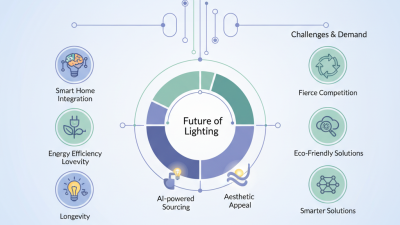
Future Trends in Lamp Cap Innovations and Buyer Interests
The lamp cap market is evolving. Innovations in design and materials are shaping future trends. Buyers are now looking for energy-efficient solutions. Sustainable options are gaining popularity. Many consumers prefer lamps that reduce their environmental impact. This shift is evident across various regions.
Moreover, technology is changing lamp designs. Smart lamps are becoming more prevalent. Buyers are drawn to features like remote control and automation. These trends reflect a desire for improved user experience. However, not all innovations meet market needs. Some advanced features can confuse customers.
Design aesthetics also play a crucial role. Buyers value styles that complement their spaces. Unique shapes and colors attract attention. Yet, some lamp caps sacrifice functionality for looks. Striking a balance is essential for manufacturers. It's clear that the future of lamp caps will focus on user-friendly innovations.
Top 10 Lamp Cap Styles for Global Buyers to Consider
This chart illustrates the popularity of different lamp cap styles based on global buyer interests. The data showcases trends and preferences that are influencing buyer decisions in the lighting industry.