Top 10 Tips for Choosing LED Lighting Solutions for Your Business?
Choosing the right LED lighting solution for your business can be daunting. With so many options available, making informed decisions is crucial. Industry expert Dr. Emily Carter states, "The right LED lighting can transform not just a space, but the entire atmosphere of a business." Her insight emphasizes the importance of selecting the most suitable options.
When considering LED lighting, think about energy efficiency, color temperature, and longevity. These elements can greatly affect both aesthetics and operational costs. Many businesses overlook how lighting impacts employee productivity and customer perceptions. Studies show that well-lit environments enhance focus and set a positive tone.
However, it's easy to feel overwhelmed by the choices. Mistakes can happen, like prioritizing price over quality. Seeking expert opinions can help clarify options. Understanding your specific needs will lead to better results. The right LED lighting could save money and create an inviting atmosphere. Reflecting on these factors can lead to significant improvements in your business environment.
Understanding the Benefits of LED Lighting for Businesses
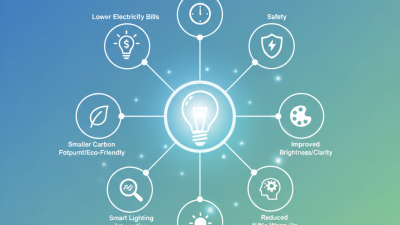
LED lighting has transformed the way businesses illuminate their spaces. One significant benefit is energy efficiency. LED lights consume less power than traditional bulbs, translating to savings on electricity bills. This reduction in energy use is not only cost-effective but also environmentally friendly. Many companies seek to lower their carbon footprint, and switching to LED offers a practical solution.
Durability is another advantage. Unlike incandescent or fluorescent lights, LEDs boast a longer lifespan. They typically last up to 25,000 hours or more. This longevity means businesses will spend less time and money on replacements and maintenance. However, not all LEDs are created equal. It's essential to choose high-quality products to truly benefit from this durability.
In terms of lighting quality, LEDs provide bright, consistent illumination, promoting a productive work environment. They also come in various color temperatures, allowing businesses to create the right mood. Yet, selecting the appropriate brightness and tone can be a challenge. It requires understanding specific needs and how lighting affects employee performance and customer experience. Taking the time to assess these factors can lead to more enjoyable and efficient spaces.
Assessing Your Business Lighting Needs and Requirements
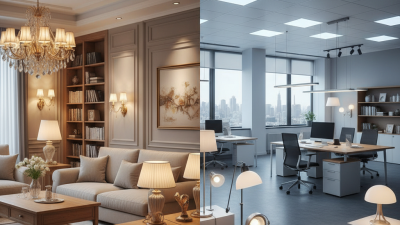
When assessing your business lighting needs, start by identifying the primary functions of the space. Different areas may require different lighting types. For instance, a retail environment may benefit from bright, inviting lights to enhance product displays, while offices may need softer lighting for comfort.
Consider the layout of your space. Some areas may have natural light, while others are dark. A good tip is to measure the square footage. This will help you determine the required brightness. Evaluate energy efficiency as well. LED lights consume less energy and last longer, which can lead to significant cost savings.
Pay attention to color temperature. Warmer lights can create a cozy atmosphere, while cooler lights may enhance focus and productivity. Understanding your employees' preferences can also guide your choices. Gather feedback if possible. Don’t rush the decision; lighting affects mood and productivity. Think about flexibility too. Adjustable lighting solutions can cater to varying needs throughout the day.
Evaluating Energy Efficiency and Cost Savings of LEDs
When evaluating energy efficiency and cost savings of LED lighting solutions, businesses must consider several factors. LED lights consume significantly less energy than traditional options. This leads to lower utility bills each month. The average LED can use up to 80% less energy. Such a reduction impacts not only expenses but also your carbon footprint.
Choosing LEDs can initially seem costly. However, the longevity of these lights offers a compelling argument. LEDs often last up to 25,000 hours or more. This means fewer replacements, reducing maintenance costs. Yet, businesses need to assess their specific lighting needs. Are there areas that require more intense lighting? Such considerations can influence your overall savings.
Additionally, monitoring the quality of light is crucial. Not all LEDs deliver the same brightness or color performance. Poor choices may lead to discomfort or decreased productivity. Finding the right balance is key. Examine lighting options under real conditions. Test different alternatives before making a final decision. Adjust based on employee feedback and task requirements. It’s essential to approach this choice strategically.
Choosing the Right Color Temperature for Your Business Environment
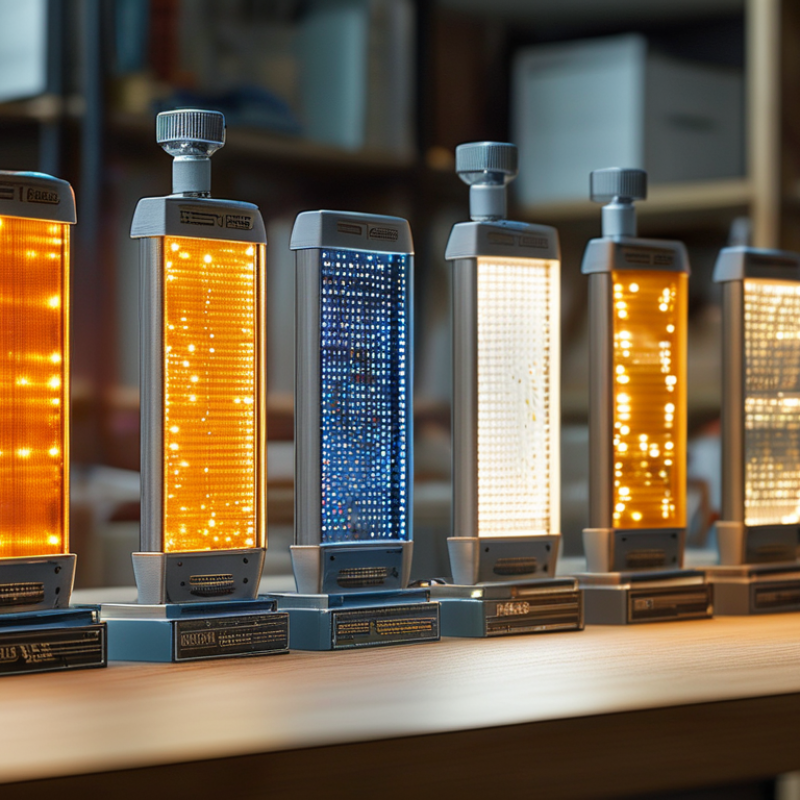
Choosing the right color temperature for LED lighting in your business is crucial. Color temperature affects how customers perceive your space. It can influence mood, productivity, and even sales. Warmer temperatures, around 2700K to 3000K, create a cozy atmosphere. This is ideal for restaurants or retail shops aiming for a relaxed vibe. Cooler temperatures, above 4000K, are suitable for office environments. They promote alertness and focus.
When selecting LED lighting, consider the nature of your business. A spa may benefit from softer, warmer light. It enhances relaxation and comfort for clients. Conversely, a tech company might prefer brighter, cooler light. This can foster an environment of innovation and productivity. The balance is key. Too harsh of lighting can feel sterile, while too warm can seem dull.
Test different temperatures in your space. Observe how your team and customers respond. Their feedback can help refine your choices. Don’t hesitate to experiment. You might find that the perfect temperature lies between options you hadn’t previously considered. Rethinking your lighting approach can significantly enhance your business environment.
Top 10 Tips for Choosing LED Lighting Solutions for Your Business
Exploring Different LED Fixture Types and Their Applications
When selecting LED lighting solutions for your business, understanding the different fixture types is crucial. For example, troffer lights are ideal for commercial spaces like offices and schools. Their design fits snugly in ceiling grids, providing even light distribution. On the other hand, floodlights are better suited for outdoor areas. They can illuminate vast spaces, enhancing security and visibility.
Consider the applications of each fixture. Wall-mounted LEDs can enhance retail displays, drawing attention to products. Pendant lights create inviting environments in restaurants and cafes, influencing customer experience. Each type plays a role in shaping the atmosphere.
For efficient decision-making, think about brightness and color temperature. A warm light can make a space feel cozy, while cool white light promotes alertness. Energy efficiency also needs attention. Look for models with high lumens per watt ratios. This ensures you get the most light for your electricity cost. Reflect on your specific needs, as this will guide your choices and investment in the right LED solutions.