Top Trends in Shineway Lighting Innovations and Technology?
The landscape of lighting innovation is rapidly evolving, with Shineway Lighting at the forefront. The company is known for integrating advanced technology into their products, creating energy-efficient solutions. As sustainability becomes essential, Shineway Lighting pushes the boundaries to meet this demand.
Recent trends highlight the emphasis on smart lighting systems. These systems allow users to control their environment easily. Shineway Lighting embraces this shift, providing enhanced user experiences through seamless connectivity. The use of IoT technology is increasing, making lighting smarter and more intuitive.
However, challenges remain. The pace of innovation can sometimes outstrip consumer understanding. Users may find it hard to adapt to new technologies. Shineway Lighting is aware of this gap and seeks to educate its customers. Addressing these issues will not only improve user satisfaction but also enhance the brand's reputation.

Shineway Lighting: Overview of Innovations and Technology
Shineway Lighting is advancing the way we think about illumination. Their focus lies in integrating smart technology with efficient designs. This combination not only enhances functionality but also contributes to energy savings. Their latest innovations push the boundaries of traditional lighting. From adaptive brightness to color temperature adjustments, users can enjoy a tailored experience.
Tips: Consider the spaces in your home. Different areas may require different lighting solutions. Investing in customizable lighting will improve your comfort.
Another interesting aspect is the use of sustainable materials. More lighting devices are now made from eco-friendly resources. This shift aids in reducing environmental impact. However, challenges remain regarding durability and cost. Not all sustainable options are affordable or long-lasting. Reflecting on these shortcomings is crucial for users.
Tips: Research the longevity of any lighting product you consider. The initial cost might be higher, but the long-term benefits can outweigh expenses.
Emerging Trends in Energy-Efficient Lighting Solutions
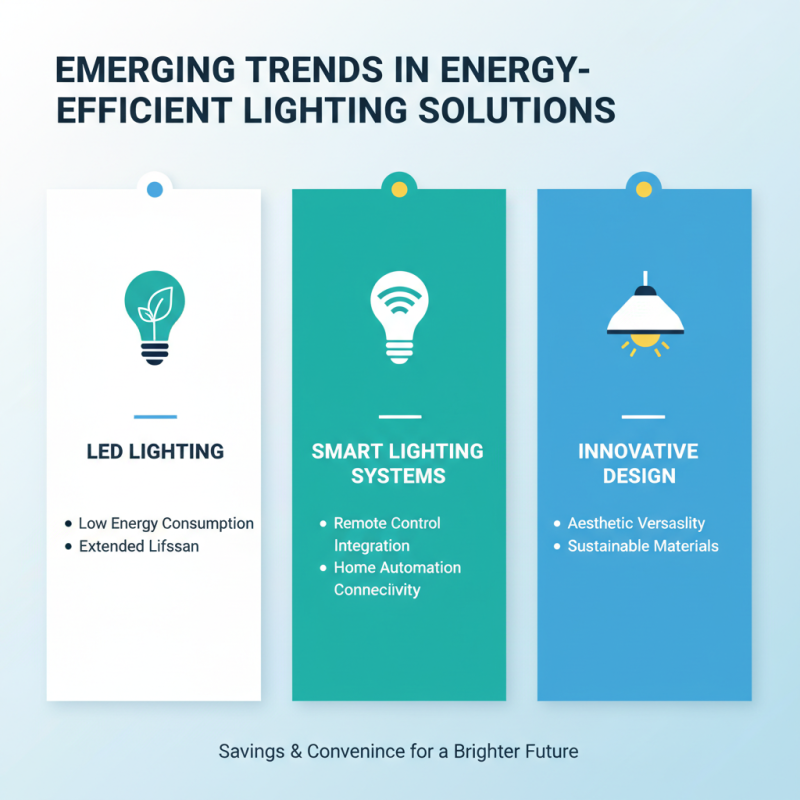
Energy-efficient lighting solutions are transforming the way we illuminate our spaces. Innovations in design and technology drive this shift. LED lighting remains a popular choice due to its low energy consumption and long lifespan. Smart lighting systems now integrate with home automation, allowing users to control lighting remotely. These features enhance energy savings while providing convenience.
Moreover, emerging trends focus on sustainable materials and eco-friendly production methods. New bulbs use less plastic and more recyclable elements. However, challenges remain in achieving affordability and accessibility for all consumers. Not everyone can invest in the latest technology, creating a gap in implementation.
Predictably, the journey toward fully energy-efficient lighting is not flawless. Transitioning to these solutions can be daunting. Many users face issues with compatibility and installation. Education is essential to help consumers understand these innovations. The goal is to create a balance between modern technology and everyday usability. With ongoing advancements, we can anticipate a brighter, more sustainable future in lighting.
Smart Lighting Technologies: Integration and Benefits
Smart lighting technologies are transforming our living and working spaces. These innovations integrate IoT (Internet of Things) capabilities, allowing for remote control and automation. According to a report from Research and Markets, the smart lighting market is projected to grow at a CAGR of 22% from 2021 to 2026. This growth stems from the rising demand for energy-efficient solutions and enhanced user experiences.
The integration of smart lighting provides significant benefits. It not only reduces energy consumption but also improves safety and convenience. Systems can be programmed to adjust brightness according to occupancy levels or time of day. A study by the Energy Information Administration indicated that smart lighting solutions can reduce energy bills by up to 40%. However, challenges remain in standardization and user education.
Tips: When considering smart lighting, assess your current infrastructure. Opt for solutions that are compatible with existing systems. Remember to balance investment with long-term savings potential. While smart technology can bring comfort, it may require time to adapt to its features fully. Embrace the learning curve for the best outcomes.
Top Trends in Shineway Lighting Innovations and Technology
| Trend |
Description |
Integration Level |
Benefits |
| IoT Integration |
Connecting lighting to the Internet for smarter control and automation. |
High |
Enhanced control, energy savings, real-time data analysis. |
| Human-Centric Lighting |
Adjusting lighting to improve well-being and productivity. |
Medium |
Improved mood, better focus, reduced eye strain. |
| Smart Sensors |
Using sensors to control lighting based on occupancy and daylight. |
High |
Energy efficiency, convenience, extended bulb life. |
| Dynamic Lighting |
Changing light intensity and color throughout the day. |
Medium |
Enhanced aesthetics, improved comfort, supports circadian rhythms. |
| Wireless Control Systems |
Controlling lighting without physical wiring through apps or voice. |
High |
Flexibility, ease of installation, remote management. |
Future Directions: Advancements on the Horizon for Shineway Lighting
The focus on future advancements in lighting technology reveals exciting possibilities ahead. Innovations in energy efficiency are critical. Smart technologies will play an essential role in how we interact with light. Think about sensors that adjust brightness according to the time of day. This adaptability can save energy and enhance comfort.
There is a growing interest in sustainable materials. Products made from recycled materials can reduce waste. However, sourcing these materials poses challenges. Not all manufacturers prioritize sustainability. It’s important to investigate their practices. Additionally, incorporating renewable energy sources, like solar power, can shift the industry. But this transition needs further research and development.
Improved connectivity is another exciting direction. Embracing IoT can enable seamless integration with home automation. Yet, security concerns arise with increased connectivity. Manufacturers must consider protecting user data. As the industry evolves, balancing innovation with responsibility is crucial. It’s a complex landscape that calls for thoughtful exploration.