What is a Lamp Socket and How to Choose the Right One?
In the world of lighting, understanding the significance of a lamp socket is crucial. Renowned lighting expert John D. Lightman emphasizes, “Choosing the right lamp socket can profoundly impact both functionality and aesthetics.” A lamp socket serves as the connection point between the bulb and the electrical source. Proper selection is essential for safety, efficiency, and longevity.
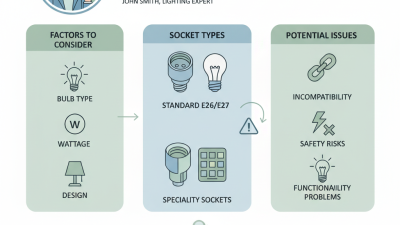
Navigating the options can be overwhelming. There is a variety of lamp sockets available, from standard E26 to specialized designs. Each type caters to different lighting needs and environments. Many overlook the details, like wattage compatibility. Ignoring these factors can lead to malfunctions, posing safety risks.
When selecting a lamp socket, consider material, design, and rating. High-quality materials ensure durability and reduce fire hazards. A poorly chosen socket might look good but could underperform. Reflecting on personal choices can lead to better decisions in the future. Balancing aesthetics and practicality is key to effective lighting solutions.
What is a Lamp Socket? Understanding the Basics
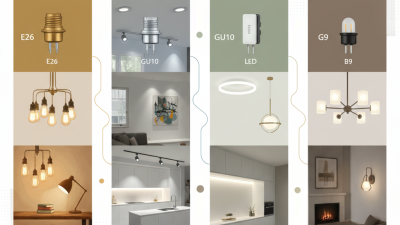
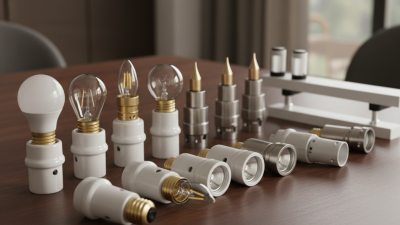
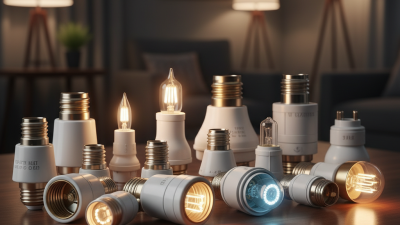
A lamp socket is a crucial component of any lighting fixture. It holds the light bulb and connects it to the electrical circuit. Understanding how lamp sockets work can enhance your lighting choices. When you twist in a bulb, the socket ensures it stays secure and provides power. Different types of sockets include the standard E26, E12 candelabra, and specialized ones for LED bulbs. Each serves a unique purpose and fits specific bulb styles.
Choosing the right lamp socket requires knowledge of your fixtures. Consider the bulb type you'll use. Some sockets offer more wattage than others, affecting brightness. Pay attention to materials and durability. Cheap sockets may break or malfunction quickly, posing safety risks. If you are unsure, consult with a lighting expert. Each choice you make impacts aesthetics and functionality.
Many people overlook the compatibility of sockets and bulbs. This can lead to disappointing results. Avoiding this mistake enhances your space's ambiance. Remember, not all sockets are created equal. Taking the time to choose wisely pays off in the long run. Your lighting should not only look good; it should also be safe and efficient.
Types of Lamp Sockets: A Comprehensive Overview
When it comes to lamp sockets, understanding their various types is essential. The most common are the Edison screw sockets, often found in household lamps. These can range from E26 to E27 sizes. Each size corresponds to specific bulb types, impacting both light output and functionality. It’s important to match the bulb type with the correct socket size. Choosing the wrong socket can lead to safety issues or inefficient lighting.
Another type is the bayonet socket, popular in automotive applications. These sockets offer a secure fit, as the bulb is twisted in place. They are generally easier to install but can be less common in home lighting. Specialty sockets, such as those for LED or halogen bulbs, also exist. These require careful selection to ensure compatibility with your lighting setup.
Consider the material and design of the socket, too. Some are made with heat-resilient materials, ideal for high wattage bulbs. Others may not hold up as well under similar conditions. It’s worth reflecting on your specific needs and the potential consequences of selecting an inadequate socket. Taking the time to research and choose wisely can lead to safer and more effective lighting solutions.
What is a Lamp Socket and How to Choose the Right One? - Types of Lamp Sockets: A Comprehensive Overview
| Socket Type |
Description |
Common Uses |
Voltage Rating |
| E26 |
Standard medium base socket commonly used in household lighting. |
Table lamps, ceiling fixtures, floor lamps. |
120V |
| E12 |
Candelabra base socket, smaller size for decorative lamps. |
Chandeliers, sconces, decorative lighting. |
120V |
| GU10 |
Twist and lock socket primarily for halogen and LED bulbs. |
Recessed lighting, track lighting, spotlights. |
120V |
| B22 |
Bayonet socket with a push-and-twist mechanism. |
Typical in some regions for household lights. |
240V |
| LED Socket |
Designed for compatibility with LED technology. |
LED retrofit lamps in various fixtures. |
Varies by bulb specifications. |
Key Factors to Consider When Choosing a Lamp Socket
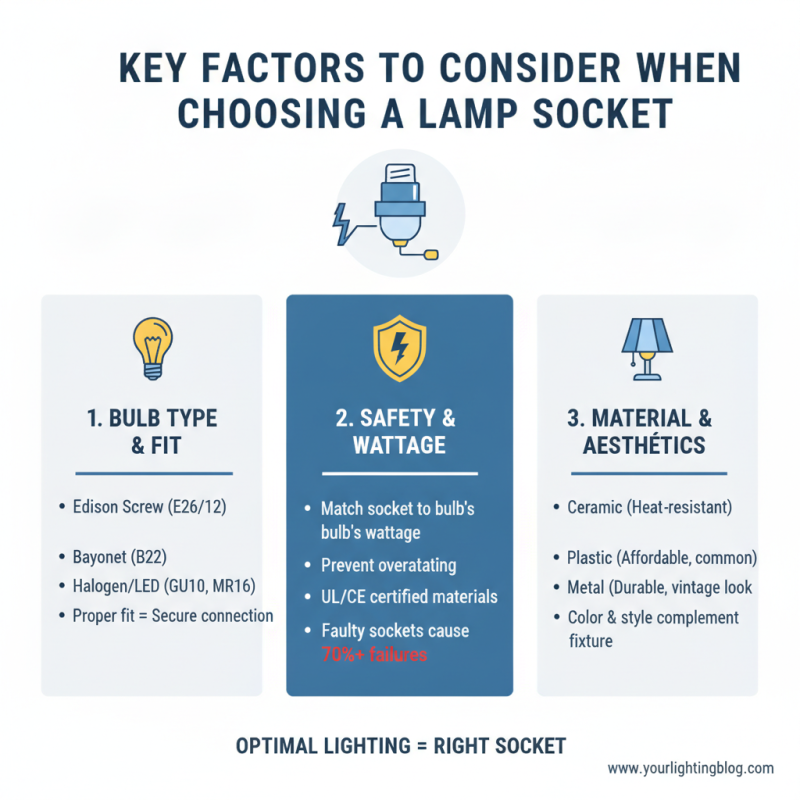
Choosing the right lamp socket is essential for optimal lighting performance. The socket connects the bulb and the electrical supply. It impacts brightness, safety, and the overall aesthetic of your fixtures. Over 70% of lighting failures in homes are linked to improper socket selection.
Consider the bulb type. Many sockets cater specifically to LED, incandescent, or CFL bulbs. A report published by the National Electrical Manufacturers Association states that LED bulbs are now preferred by over 90% of homeowners. Compatibility with your bulb affects energy efficiency and longevity.
Think about the socket size. E26 and E12 are common sizes in North America. Each size plays a role in how light is distributed. Make sure the socket fits your fixture. Mismatched sizes may lead to issues, like overheating.
Tip: Always check wattage ratings. Exceeding these can cause fires. Often overlooked, the material of the socket matters. Metal sockets conduct heat well but may corrode over time. Plastic sockets can be lightweight but may lack durability.
Tip: Inspect for certification marks. These signify that the socket meets safety standards. Quality assurance is crucial for preventing electrical hazards. In short, understanding the nuances of lamp sockets can prevent future regrets in your lighting choices.
Installation Tips for Different Types of Lamp Sockets
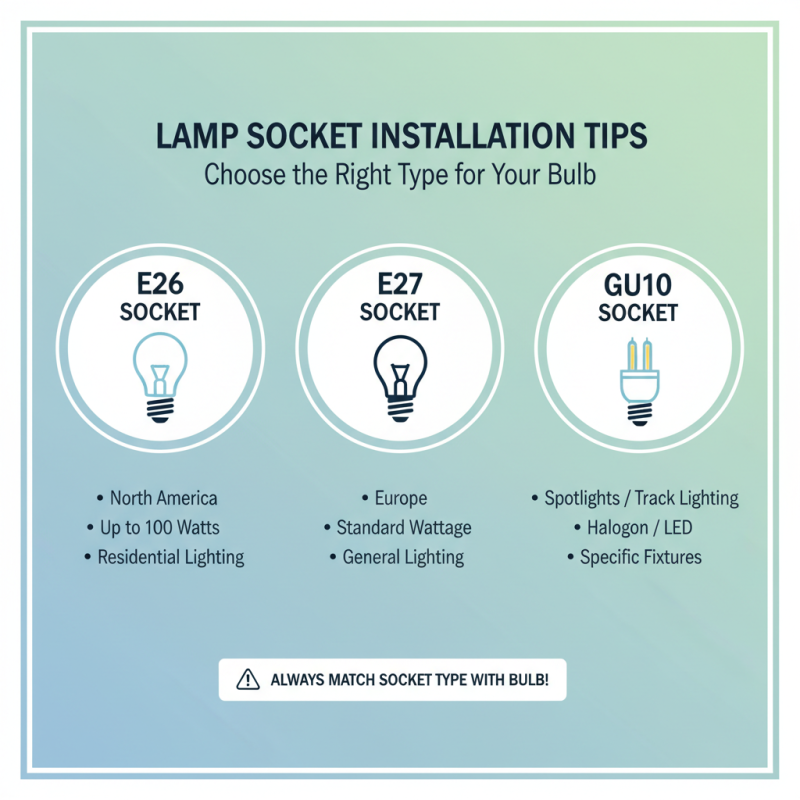
When installing lamp sockets, it’s crucial to match the socket type with your specific bulb requirements. There are several types of sockets available, including E26, E27, and GU10, each designed for different applications. For instance, the E26 socket is commonly used in North America, while the E27 is the standard in Europe. According to industry reports, E26 sockets can handle up to 100 watts, making them suitable for most residential lighting.
Many installations require different wiring configurations. For standard fixture wiring, ensure the black wire connects to the brass terminal, and the white wire connects to the silver terminal. This wiring method reduces the risk of short circuits. However, a common mistake is neglecting to secure connections properly. Loose connections can lead to flickering lights or even fire hazards.
Also, consider the lamp shade compatibility with the socket. Some shades may block heat dissipation, increasing the risk of overheating. Research indicates that overheating can reduce the lifespan of both the bulb and the socket. Pay attention to the wattage limits specified by the manufacturer. Staying within these limits can prevent accidents. Always refer to schematics when in doubt.
Maintaining and Troubleshooting Your Lamp Socket
Maintaining your lamp socket is an essential part of keeping your lighting functional. Regularly inspect the socket for any signs of wear or damage. Look for loose connections, cracks, or corrosion. These issues can lead to flickering lights or, worse, electrical shorts. If the socket feels warm to the touch, it may indicate a problem with the electrical connection.
Troubleshooting common issues can be straightforward. If your lamp won't turn on, check the bulb first. It might be burnt out or not seated correctly. If replacing the bulb doesn't solve the problem, test the socket itself. A multimeter can help identify issues. If you're unsure how to use one, there are many online guides available. Always prioritize safety; if unsure, consult with a professional.
Don't hesitate to replace an old or damaged socket. This is often a simple DIY task. However, you must follow safety measures to avoid accidents. Carefully disconnect the lamp from the power source. Take your time to ensure the new socket is installed correctly. It's okay to ask for help if you feel overwhelmed. Regular maintenance can enhance the lifespan of your lamp and keep your space well-lit.
Understanding Lamp Socket Types and Their Popularity