What is a Lamp Holder and How Does it Work?
A lamp holder is an essential component in lighting fixtures. It connects the light bulb to the power source, allowing electricity to flow. Without a reliable lamp holder, your lighting system won't function properly.
Understanding how a lamp holder works is crucial for anyone looking to illuminate their space effectively. It is responsible for holding the bulb securely in place. A well-designed lamp holder can enhance both safety and functionality.
Despite its simplicity, not all lamp holders are created equal. Choosing the right one can be confusing. Some may not fit well with certain bulbs, or they may be made from materials that don’t last. Consider the details carefully. There can be flaws in design, leading to issues like flickering lights or even short circuits. Reflect on the importance of this often-overlooked fixture in our daily lives.
What is a Lamp Holder?
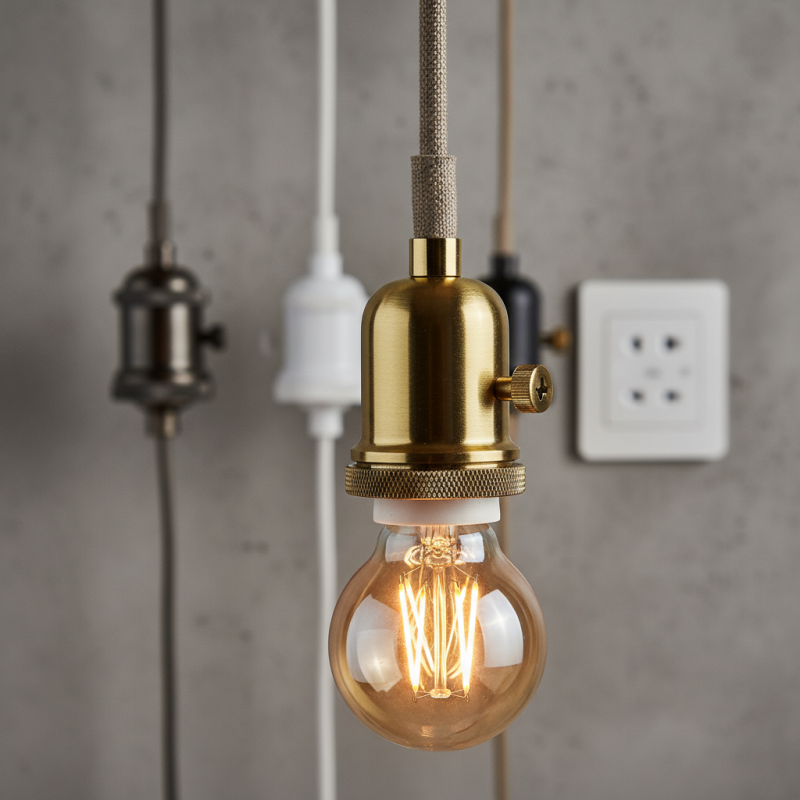
A lamp holder is a crucial component in lighting fixtures. It serves as the connection point for the light bulb, enabling it to function correctly. The lamp holder ensures the electrical connection between the bulb and the power source. This part often comes in various designs, including standard screw bases and bayonet fittings. Different lamp holders cater to specific bulb types, ensuring compatibility and safety.
According to industry reports, the global lamp holder market is expected to grow significantly, reaching approximately $5 billion by 2025. This growth is driven by the increasing demand for energy-efficient lighting solutions. LED technology has become popular, pushing manufacturers to create more versatile lamp holder designs. Choosing the right lamp holder is essential for achieving optimal performance and safety.
Tip: Always check the wattage rating of your lamp holder before installing a bulb. Using a bulb with too high a wattage can cause overheating and potential hazards.
Also, consider the material of the lamp holder. Options range from ceramic to plastic. Each material has its durability and heat resistance. An ill-fitting or low-quality holder may lead to flickering lights or even damage to the electrical system. Reflect on the installations in your space, ensuring they meet safety standards and efficiency.
Types of Lamp Holders Available in the Market
Lamp holders are essential for any lighting fixture. They come in various styles and types, tailoring to different needs and preferences. Understanding the types of lamp holders can help you make informed choices for your lighting needs.
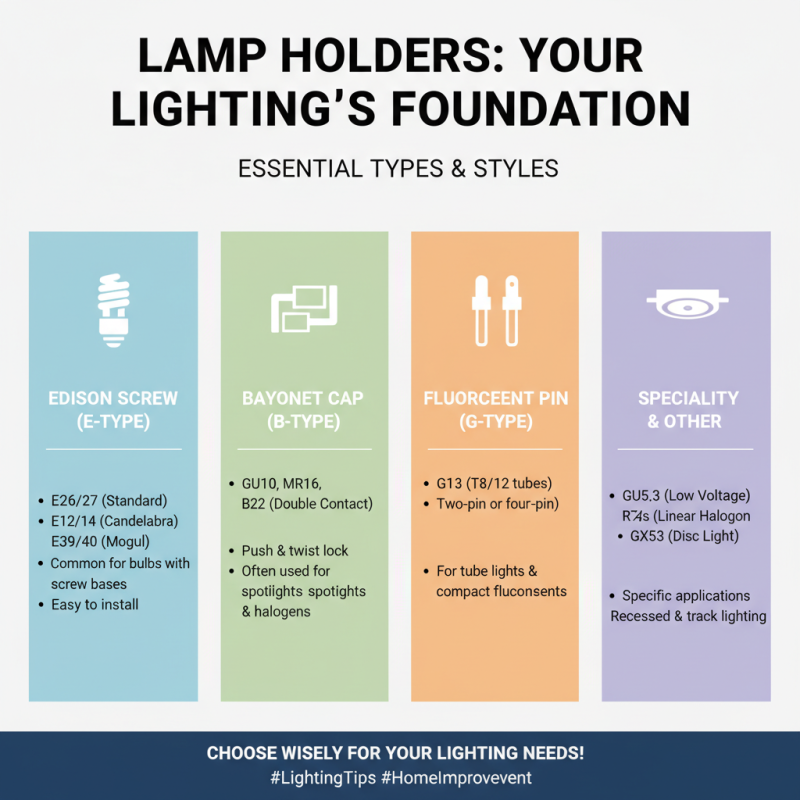
One common type is the Edison screw base. It's simple and easy to use. You can find it in many households. Another option is the bayonet base. This type requires a twist-and-pull motion for installation. It offers a more secure fit but can be tricky for some users. There are also GU10 and MR16 bases, often used in spotlights. These fittings are regular in recessed lighting, yet installation can cause confusion.
In addition, some holders accommodate LED bulbs, which are gaining popularity. They are energy-efficient and have a longer lifespan. However, not all lamp holders are compatible with them. It’s essential to double-check specifications. Choices can seem overwhelming; some may even find the differences minimal. But the right type can affect both functionality and ambiance. Always consider the unique requirements for each space when selecting a lamp holder.
Key Components of a Lamp Holder and Their Functions
A lamp holder is crucial for any lighting fixture. It connects the light bulb to the electrical circuit. Understanding its key components can enhance your lighting experience.
The main components of a lamp holder include the shell, contact points, and insulating material. The shell typically supports the light bulb. Made from durable materials, it withstands heat and impact. Contact points create a connection with the bulb base, allowing electricity to flow. Insulating material prevents electrical shorts and ensures safety.
**Tips:** Regularly check the lamp holder for wear. A cracked shell can be hazardous. Also, ensure the contact points are clean to maintain a good connection. According to industry reports, over 30% of electrical failures are linked to faulty lamp holders. Keeping your fixtures well-maintained can significantly reduce the risk of failure.
Another important part of the lamp holder is the socket. It should securely fit the bulb. A loose fit can lead to flickering lights. The overall design of the lamp holder affects both function and aesthetics. Consider materials and styles that match your decor while ensuring functionality.
Key Components of a Lamp Holder and Their Functions
How to Install and Replace a Lamp Holder
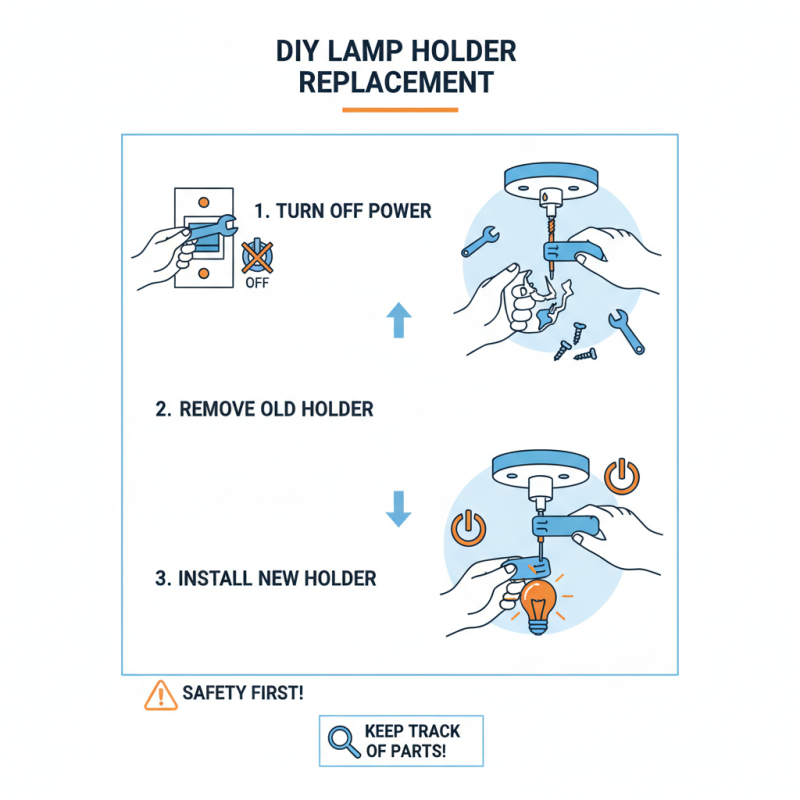
Installing and replacing a lamp holder can seem daunting at first. However, it’s a straightforward process once you get the hang of it. Start by turning off the power to the fixture at the circuit breaker. Safety should always come first. Once the power is off, remove the existing lamp holder from its base by carefully unscrewing it. Keep track of screws and small parts; they can easily get lost.
Next, connect the new lamp holder. Match the wires from the holder to the corresponding wires in the fixture. It usually involves connecting a black wire to black and white to white. Some may think this is simple, but wrong connections can lead to frustrating results. Ensure all connections are secure. After that, mount the new holder back onto its base. Again, double-check your work. Once everything is in place, turn the power back on and test the lamp. You might want to reflect on your process; one little mistake can lead to flickering or worse.
Don’t rush through this. Take your time for a perfect fit. Installing a lamp holder can teach you valuable skills. Experimenting can lead to minor mishaps but remember, each attempt brings improvement.
Safety Considerations When Using a Lamp Holder
When using a lamp holder, safety should always be a priority. Always ensure you choose the right holder for your light bulb. A mismatch can lead to overheating or even fire hazards. Inspect the holder regularly for any signs of wear or damage. A frayed cord can create serious electrical issues.
Moreover, remember to avoid touching the bulb directly when it’s on. It can get extremely hot. When replacing a bulb, turn off the power first. Use gloves or a cloth to handle the bulb. This can help prevent accidental burns. Ensure the lamp is stable and not at risk of tipping over. Improper positioning can lead to accidents.
Finally, don’t overload your lamp holder. Each holder has a specific wattage limit, exceeding it can cause malfunctions. If you notice flickering lights or strange smells, disconnect the power immediately. These could be signs of serious issues. Regularly checking your lamp holders can save you from potential dangers. Safety is not just about installation but also constant vigilance.
What is a Lamp Holder and How Does it Work? - Safety Considerations When Using a Lamp Holder
| Dimension |
Description |
Safety Consideration |
| Type |
Edison Screw (ES), Bayonet Cap (BC), GU10 |
Ensure compatibility with bulbs |
| Material |
Ceramic, Plastic, Metal |
Check for heat resistance |
| Voltage Rating |
110V, 220V, 240V |
Use appropriate voltage bulbs |
| Wattage Capacity |
Up to 60W, 100W, 150W |
Avoid exceeding wattage limits |
| Installation |
Screw-in, Push-fit |
Ensure secure fitting |
| Maintenance |
Periodic checks for wear and tear |
Turn off power before maintenance |