Essential LED Spare Parts Tips for Better Lighting Solutions?
In the ever-evolving world of lighting solutions, understanding LED spare parts is crucial for optimal performance. With energy efficiency and longevity at the forefront, LED technology continues to revolutionize how we illuminate our spaces. However, using subpar LED spare parts can lead to diminished light quality and increased energy consumption.
Perhaps you've experienced flickering lights. It might be time to consider your LED spare parts. Selecting high-quality components ensures consistency and reliability in lighting applications. From drivers to lenses, each part plays a vital role in delivering the desired brightness and color accuracy.
Yet, not all spare parts are created equal. The market is flooded with options, and making the wrong choice can be costly. It’s essential to research and identify reputable suppliers before making a purchase. By investing in the right LED spare parts, you can enhance your lighting solutions and avoid common pitfalls.
Understanding Essential LED Spare Parts for Effective Lighting Solutions
When it comes to effective lighting solutions, understanding essential LED spare parts is crucial. These components not only enhance performance but also prolong the lifespan of lighting systems. Regular maintenance can uncover worn-out parts that need replacement. It’s often easy to overlook the importance of these components, but neglecting them can lead to inefficient lighting.
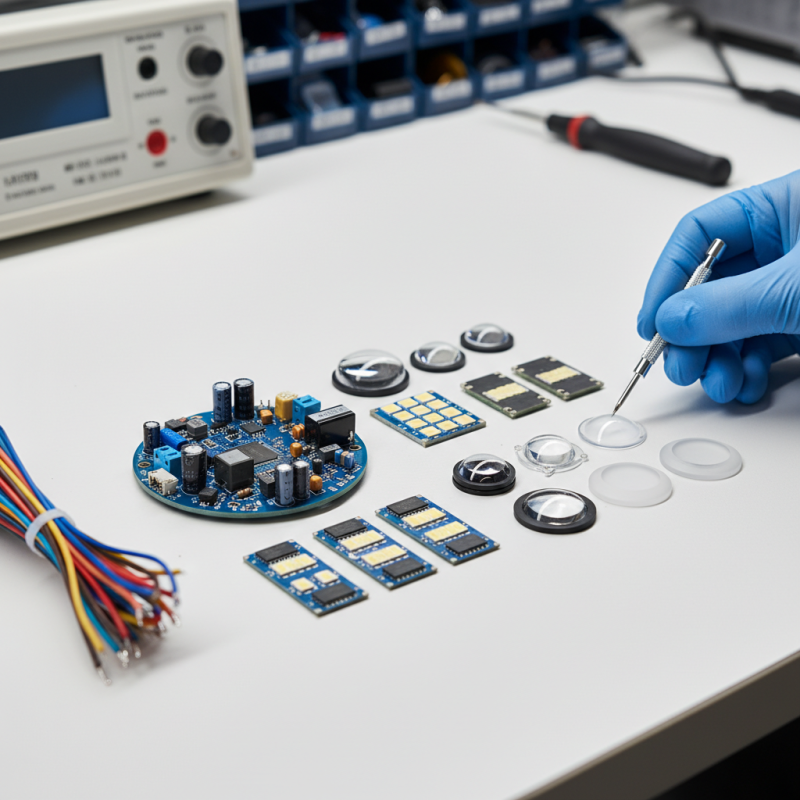
Consider the different types of LED spare parts available. Keep in mind that connectors, drivers, and diffusers each play a key role. Check connectors for corrosion and wear. Drivers regulate power, ensuring a consistent light output. Inspect diffusers regularly to maintain light quality. These parts accumulate dust and grime over time, which can impair functionality.
Tips for maintaining your LED spare parts include regular inspections. Schedule a routine check every few months. Store spare parts in a cool, dry place to prevent damage. Be aware of compatibility; not all parts fit all systems. Remember that improper installations can lead to system failures. Reflect on your needs and choose wisely to ensure the best lighting outcome.
Common LED Spare Parts and Their Functions in Lighting Systems
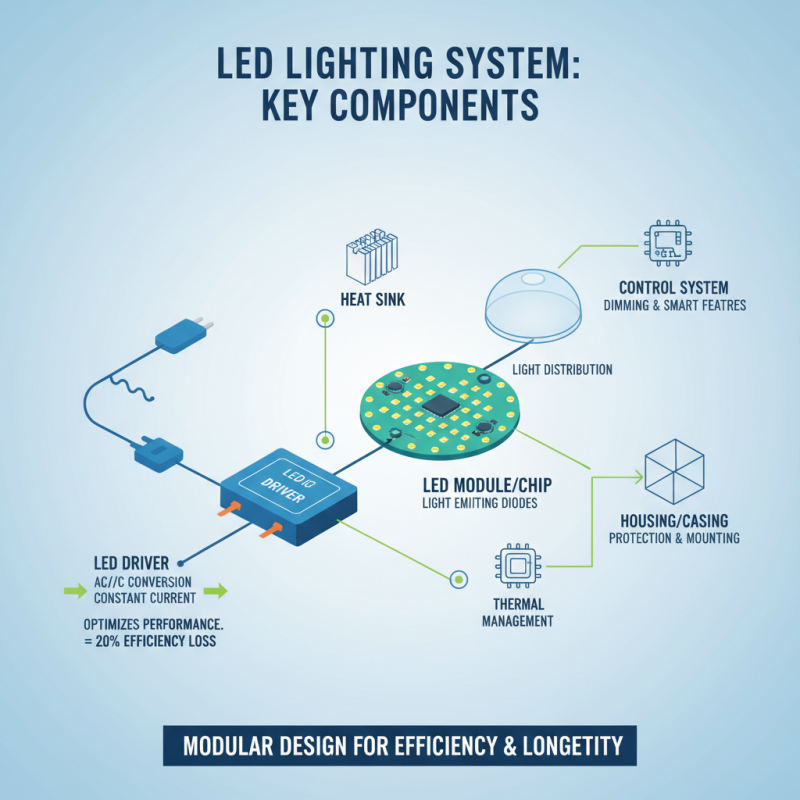
LED lighting systems consist of various spare parts, each playing a crucial role. Understanding these components is essential for optimizing performance. Notably, LED drivers are essential for converting voltage and ensuring consistent light output. A study indicated that improper driver selection can lead to 20% reduced efficiency.
Moreover, heat sinks are vital as they dissipate excess heat. Excessive heat can shorten lifespan and cause failures. Statistics show that better heat management can increase LED lifespan by up to 50%. Other components like lenses and reflectors enhance light distribution, contributing to overall illumination quality. A poorly designed lens could result in light loss or uneven distribution, undermining the entire system.
Maintenance of these parts is often overlooked. Regular checks can reveal wear or damage, which, if not addressed, can lead to complete system failure. Industry reports highlight that proactive maintenance can save up to 30% in replacement costs. Understanding the functions of spare parts helps in creating effective lighting solutions.
Key Considerations for Selecting LED Spare Parts
When selecting LED spare parts, consider compatibility with your existing fixtures. Not all LEDs fit every model. Check specifications meticulously. Differences in voltage and wattage can lead to poor performance or even damage. Always consult technical details.
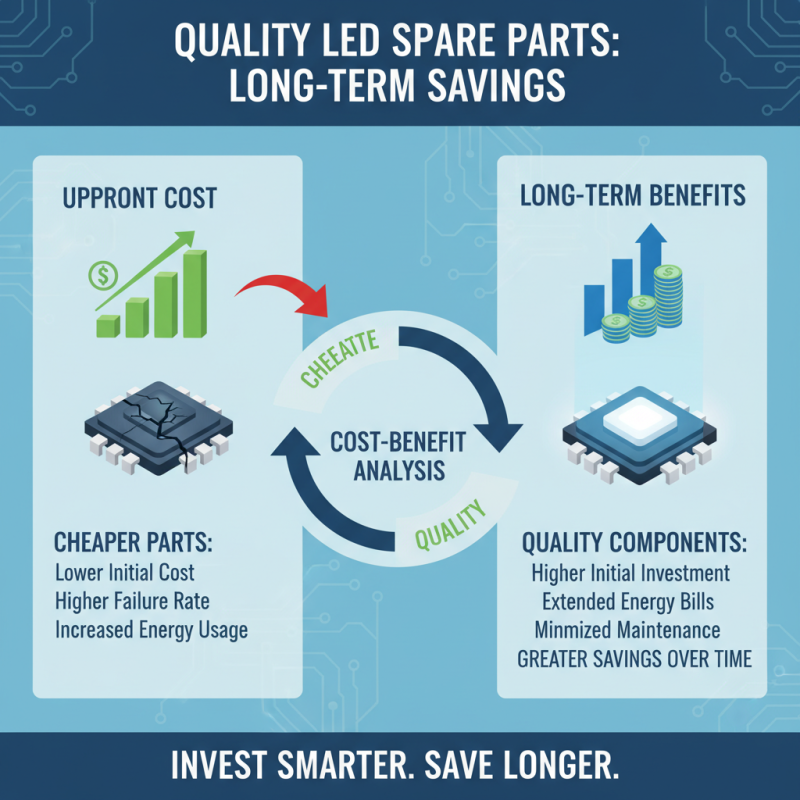
Quality matters. Cheap spare parts often compromise light quality and lifespan. Look for reliable sources and read reviews. Some parts may appear flashy but underperform in real-world use. Beware of lower prices that might deceive you.
Testing is essential. Try different spare parts in various settings. Observe their brightness and color consistency. Sometimes, the right choice isn’t obvious. Reflect on past experiences; what worked well and what didn’t? This evaluation will guide better purchasing decisions in the future.
Essential LED Spare Parts Tips for Better Lighting Solutions
| Component |
Importance |
Key Considerations |
Lifespan |
| LED Driver |
Essential for power supply management |
Match voltage and current requirements |
30,000 - 50,000 hours |
| LED Chip |
Core component for light emission |
Check lumen output and efficiency |
25,000 - 50,000 hours |
| Heat Sink |
Critical for temperature regulation |
Consider material and surface area |
10,000 hours |
| Lens |
Influences light distribution |
Opt for UV-resistant and clear materials |
Varies by material |
| Connector |
Ensures electrical connectivity |
Choose high-quality and reliable types |
10,000 hours |
Industry Trends: Evolving Technologies in LED Spare Parts
The LED industry is not static. It constantly adapts to new technologies. In recent years, smart lighting solutions have emerged. This change is significant. LED spare parts are now designed for flexibility. Many can be customized for specific applications.
Trends indicate a growing emphasis on energy efficiency. Innovations in LED drivers and controllers are notable. They reduce energy consumption significantly. However, challenges still exist. Some spare parts may not meet the latest energy standards. This is an area for improvement. Manufacturers must ensure their products are up to date.
Integration with smart home technology is also growing. This trend creates new demands for spare parts. Consumers prioritize compatibility and ease of use. Yet, not all products deliver on these aspects. The market fluctuates, making it necessary to stay informed. As technology evolves, so should our approach to LED spare parts.
Essential LED Spare Parts Trends