How to Choose the Best LED Lighting for Your Home?
Choosing the right LED lighting for your home can be daunting. With so many options available, it’s easy to feel overwhelmed. According to David Oakley, a renowned expert in the LED lighting industry, “The right lighting can transform a space.” This highlights the importance of making a thoughtful choice.
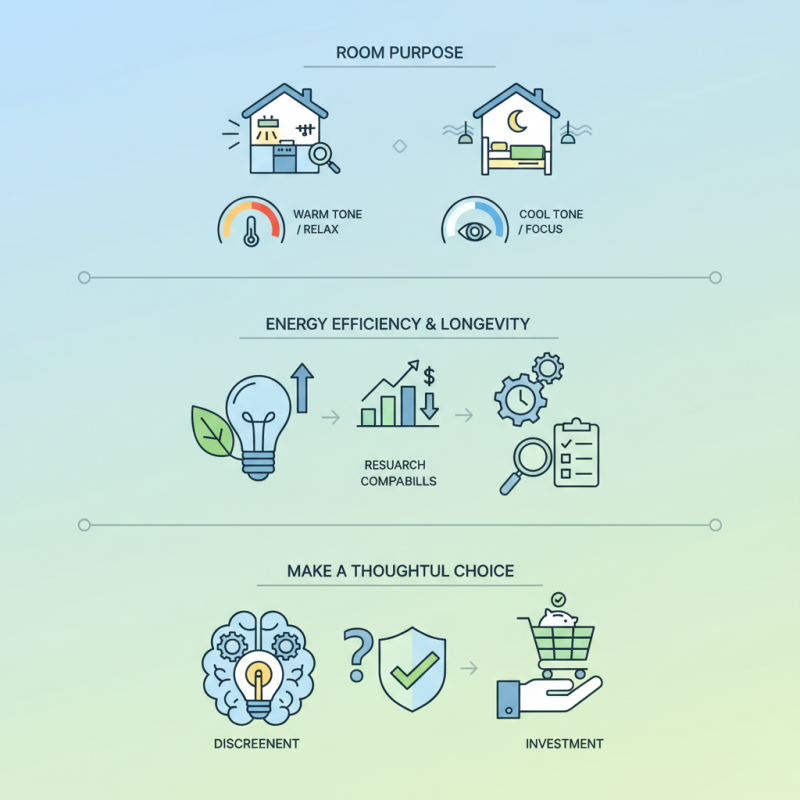
First, consider the purpose of each room. Do you need bright lighting for a kitchen or soft lighting for a bedroom? The ambiance greatly affects your comfort. Different LED lights offer varying brightness levels and temperatures. A warmer tone can create relaxation, while cooler tones can enhance focus.
Next, think about energy efficiency. High-quality LED lighting saves energy and reduces your bills. However, not all LED products are created equal. Some may lack longevity or performance. It’s essential to research brands, read reviews, and compare specifications. Identifying the right product involves reflection and discernment. Avoid rushing the decision; it’s worth investing the time.
Understanding LED Lighting Basics and Benefits
LED lighting has become a popular choice for homes. Understanding the basics can help you make informed decisions. LED lights are energy-efficient. They consume less electricity than traditional bulbs, which can lead to lower utility bills over time. The initial cost may be higher, but the savings can offset it.
Another benefit is their longevity. LED bulbs can last up to 25,000 hours or more. Imagine not having to change bulbs frequently. However, not all LED lights are created equal. Some may emit harsh light that can be uncomfortable. It's important to consider color temperature. Warmer lights create a cozy atmosphere, while cooler lights are better for task-oriented areas.
When selecting LED lights, look at lumens, not watts. Lumens measure brightness, while watts measure energy use. A higher lumen count means a brighter light. Also, dimmable options are worth exploring as they allow flexibility in lighting to suit various moods. Reflect on the purpose of each space to choose wisely. Understanding these basics will enhance your home's lighting.
Determining the Right Brightness and Color Temperature for Your Space
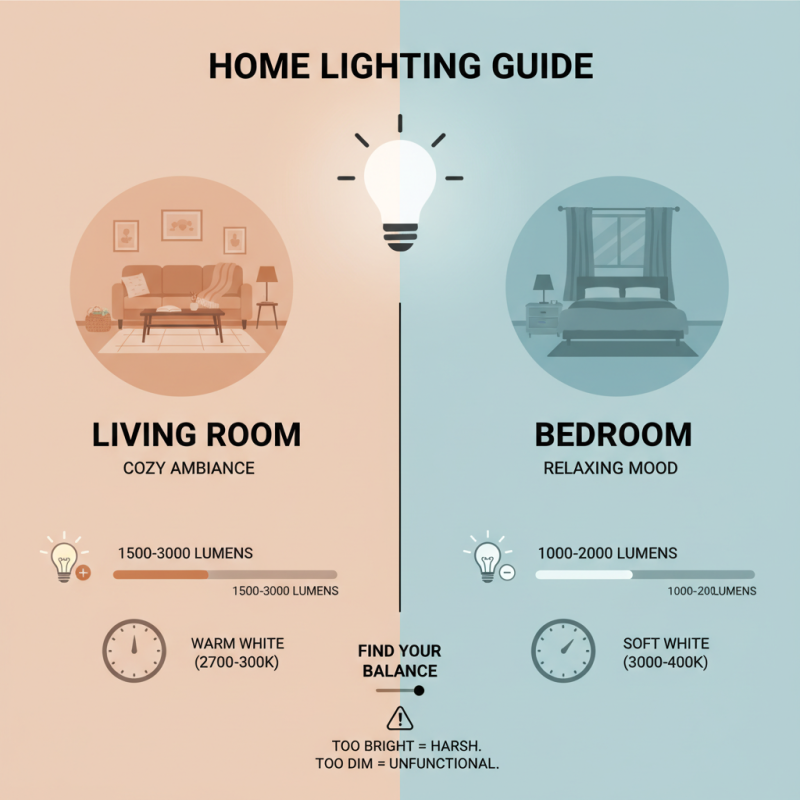
Choosing the right brightness and color temperature for your home can significantly affect your comfort and mood. Brightness is measured in lumens. A living room might need around 1,500 to 3,000 lumens for a cozy atmosphere. Bedrooms, on the other hand, may only require 1,000 to 2,000 lumens. It’s tricky to find the perfect level. Too bright can feel harsh. Too dim may not be functional.
Color temperature is another crucial aspect. Measured in Kelvin, it can range from warm to cool. A temperature of 2700K to 3000K offers a soothing, inviting light. This is ideal for areas where relaxation happens. Conversely, 4000K to 5000K provides a cooler, more energizing effect. This is usually preferred in kitchens or offices. You might feel a stark difference when shifting between these.
Consider testing different options in your space. Don't rush the process. Everyone's preferences vary. Trial and error can lead to great results. Pay attention to how the light makes you feel. It’s about finding what truly suits your lifestyle.
Evaluating Different Types of LED Fixtures and Bulbs
When evaluating different types of LED fixtures and bulbs, it's essential to consider luminosity.
The brightness of LEDs is measured in lumens. For instance, a typical 60-watt incandescent bulb produces about 800 lumens.
In contrast, an LED bulb generates the same brightness while consuming only 10-15 watts. According to the Department of Energy,
switching to LED lighting can save up to 75% in energy costs over time.
Fixture types also matter greatly. Recessed lighting offers a sleek look,
ideal for modern homes. Pendant lights add character to dining areas.
Table lamps provide flexibility in placement. Each style impacts the room's atmosphere.
Many consumers overlook the color temperature, which significantly affects mood.
Warmer light (2700K-3000K) creates a cozy vibe, while cooler light (4000K-5000K) enhances focus and clarity.
Ballast discussions often arise among buyers. Not all fixtures are compatible with every bulb, potentially causing
flickering or even burnout. This commonly detracts from the otherwise energy-efficient benefits of LEDs.
Not all LEDs are created equal. Quality can vary widely,
so looking for certifications, such as the ENERGY STAR label, is crucial.
Considering Energy Efficiency and Lifespan of LED Lighting
When selecting LED lighting for your home, energy efficiency and lifespan are vital considerations. According to the U.S. Department of Energy, LEDs use at least 75% less energy than traditional incandescent bulbs. This statistic is crucial for homeowners looking to reduce energy bills. Using LED bulbs can lead to significant savings in energy costs over time, especially in high-use areas like kitchens and living rooms.
The lifespan of LED lights is another essential factor. Most LEDs last about 25,000 to 50,000 hours, compared to only 1,000 hours for incandescent bulbs. This long lifespan means fewer replacements and less waste. However, not all LEDs are created equal. Some cheaper options may have shorter lifespans or lack consistent brightness. It’s essential to read reviews and check product specifications before making a purchase.
Color temperature also affects how lighting feels in a space. Warmer tones create a cozy atmosphere, while cooler tones can enhance focus. Finding the right balance is key. While it's tempting to choose the brightest options for visibility, you might end up with harsher lighting than intended. The goal is to combine efficiency with comfort.
Exploring Design and Aesthetic Considerations for Home Lighting
When choosing LED lighting, design and aesthetics are crucial. Lighting can transform spaces, highlighting features or creating ambiance. According to industry data, 85% of homeowners consider lighting a key design element in their homes. This makes it essential to select fixtures that complement your interior style.
Consider the color temperature of your LED lights. Warm whites (2700K-3000K) create a cozy atmosphere, while cool whites (4000K-5000K) provide a more energetic vibe. For example, use warm lights in living rooms to foster relaxation. Crisp, cool lights can work well in kitchens for practicality and precision.
Tips: Test different temperatures in your space before buying. Small changes can have a big impact. Also, think about fixture design. Minimalist styles suit modern homes, while vintage fixtures complement traditional decor nicely. Don't overlook dimmable options for versatility.
Remember, lighting is not just functional; it's part of your home's character. Failing to align your lighting choices with your decor can lead to a disjointed feel. Take time to evaluate how your selections dance together to create a harmonious look.