2025 How to Choose the Best Glass Bulb for Your Home Lighting Needs
Choosing the right glass bulb for your home lighting needs can greatly enhance the ambiance and functionality of your living space. According to lighting expert Dr. Laura Bright, "The right glass bulb not only illuminates a room but also complements the style and purpose of the space." With an array of options available in today's market, understanding the different types and features of glass bulbs is essential for making an informed decision.
In this guide, we will explore the various factors to consider when selecting glass bulbs, from energy efficiency and brightness to design and color temperature. The glass bulb you choose can dramatically impact the mood of your home, making it crucial to select one that aligns with your specific needs and preferences. Whether you’re aiming for a cozy, warm glow in your living room or a bright, clear light for your kitchen, knowing how to navigate the choices available will empower you to create the ideal atmosphere in your home.
Understanding Different Types of Glass Bulbs and Their Applications
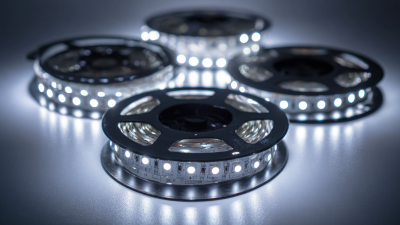
When selecting the best glass bulb for your home lighting needs, it's crucial to understand the different types available and their specific applications. Glass bulbs come in a variety of shapes, sizes, and technologies, each designed for unique purposes. For instance, incandescent bulbs, known for their warm glow, are perfect for creating a cozy atmosphere in living rooms and bedrooms. On the other hand, LED glass bulbs offer energy efficiency and longevity, making them ideal for task lighting in kitchens or workspaces.
Tips: Consider the color temperature of the bulbs; warmer tones are suitable for relaxation areas, while cooler tones can enhance focus and productivity. Moreover, pay attention to the wattage and lumens, as these will determine brightness and energy consumption. Using dimmable glass bulbs is also a smart choice for flexibility in lighting intensity throughout different times of the day.
Another popular type of glass bulb is the CFL, which is energy-efficient and can replace standard incandescent bulbs in almost any fixture. These bulbs are best suited for general lighting purposes. When selecting glass bulbs for outdoor use, opt for those specifically designed to withstand weather elements, ensuring durability and reliability.
Evaluating Energy Efficiency Ratings for Glass Bulbs
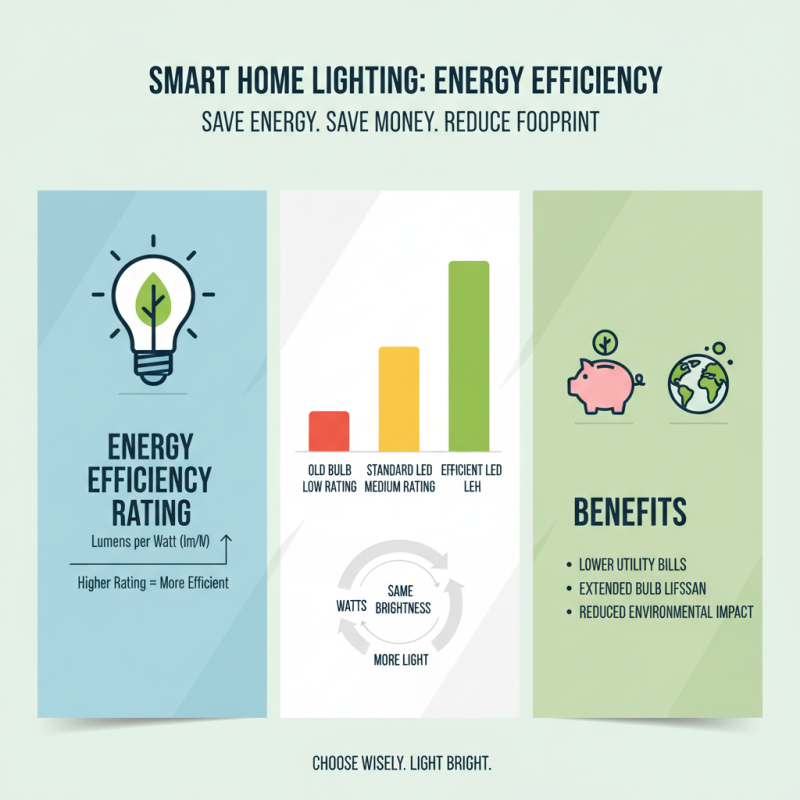
When selecting the best glass bulbs for home lighting, it is essential to evaluate their energy efficiency ratings. These ratings provide crucial insights into how much electricity a bulb consumes relative to the light it produces, measured in lumens per watt. Higher ratings indicate more efficient bulbs that can deliver the same amount of brightness while using less energy, ultimately leading to lower utility bills and a reduced environmental footprint.
One of the key standards to consider is the Energy Star certification, which signifies that the bulb meets strict energy efficiency guidelines set by the EPA. Additionally, looking at the wattage compared to the lumens can help determine efficiency; for instance, a bulb that offers a higher lumen count with lower wattage is generally a better choice. It’s also worthwhile to observe the lifespan of the bulb, as more durable options tend to reduce the frequency of replacements, providing both convenience and cost savings in the long run. Ultimately, understanding these energy efficiency metrics will empower homeowners to make informed choices that enhance their lighting experience while promoting energy conservation.
Choosing the Right Brightness and Color Temperature for Your Space
When selecting the best glass bulb for your home lighting needs, understanding brightness and color temperature is crucial. Brightness, measured in lumens, determines how much light a bulb emits. According to the U.S. Department of Energy, a bulb that produces approximately 800 lumens is ideal for general use in living rooms and bedrooms, while higher brightness levels, around 1600 lumens, are suitable for task-oriented spaces like kitchens and work areas. It's essential to match lumens to the specific activities in each room to enhance functionality and comfort.
Color temperature, measured in Kelvins (K), affects the ambiance of your space. A lower color temperature range of 2700K to 3000K emits a warm, soft light that creates a cozy atmosphere, perfect for living rooms and bedrooms. Conversely, a cooler color temperature of 4000K to 5000K provides a neutral tone ideal for kitchens and offices where focus and clarity are essential. A report from the Lighting Research Center indicates that the right color temperature can significantly influence mood and productivity, making it a vital factor in your lighting choices. By understanding the interplay between brightness and color temperature, you can create the perfect environment tailored to your lifestyle and needs.
2025 How to Choose the Best Glass Bulb for Your Home Lighting Needs - Choosing the Right Brightness and Color Temperature for Your Space
| Bulb Type |
Brightness (Lumens) |
Color Temperature (Kelvin) |
Suitable For |
| LED |
800 |
3000K (Warm White) |
Living Rooms, Bedrooms |
| Incandescent |
1000 |
2700K (Soft White) |
Dining Rooms, Bedrooms |
| CFL |
1200 |
4100K (Cool White) |
Kitchens, Offices |
| Halogen |
1100 |
2900K (Bright White) |
Work Spaces, Task Lighting |
| Smart LED |
800 (Adjustable) |
2700K-6500K (Variable) |
Versatile Use |
Considering Bulb Lifespan and Maintenance Requirements
When selecting the best glass bulb for your home lighting needs, it is essential to consider the lifespan and maintenance requirements of the bulbs. Different types of glass bulbs, such as incandescent, LED, and CFL, have varying lifespans that can significantly impact your long-term costs and convenience. For instance, while incandescent bulbs may only last around 1,000 hours, LED bulbs can last up to 25,000 hours or more. Choosing the right bulb type not only influences how frequently you need to replace them but also affects the overall energy consumption of your home.
Maintaining your lighting fixtures is another critical factor in enhancing bulb lifespan. Regularly dusting and cleaning bulbs and fixtures can prevent overheating and prolong their efficacy. Additionally, ensure that your bulbs are installed correctly and that the fixtures are compatible with the chosen type to minimize the risk of burnout. Understanding the maintenance requirements for each bulb type can help you make an informed decision, allowing you to enjoy efficient and beautiful lighting with less hassle and fewer interruptions.
2025 How to Choose the Best Glass Bulb for Your Home Lighting Needs
This chart compares the average lifespan of different types of glass bulbs commonly used in home lighting. Understanding these differences can help you make an informed choice regarding maintenance and replacement costs.
Comparing Costs: Initial Investment vs. Long-Term Savings
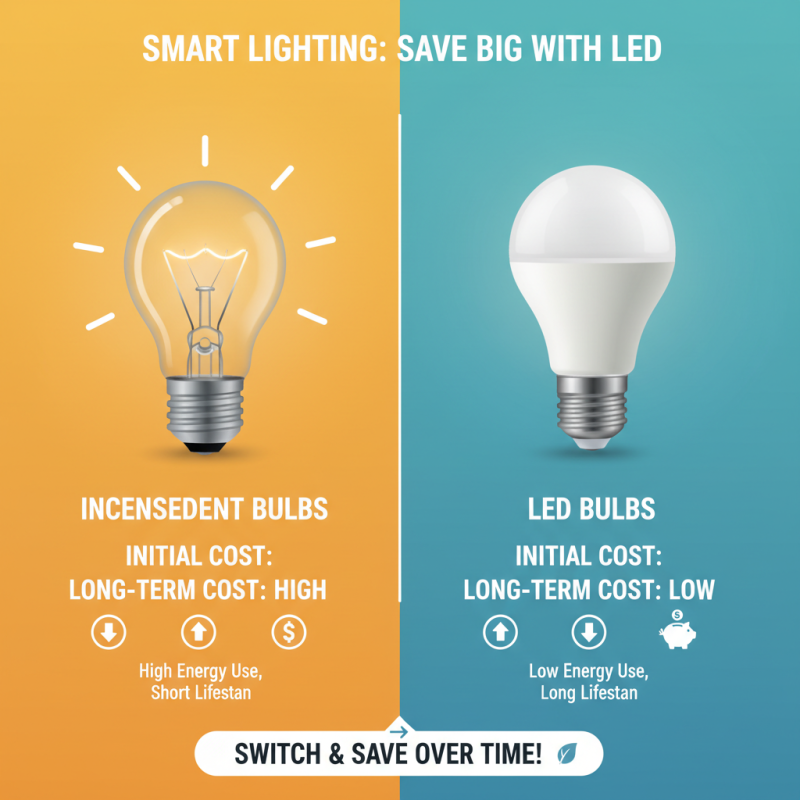
When selecting the best glass bulb for your home lighting needs, it's essential to consider the initial investment versus the long-term savings. While conventional incandescent bulbs come with a lower purchase price, their higher energy consumption over time makes them a costly choice in the long run. For instance, switching to energy-efficient LED bulbs may require a more significant upfront expense, but the substantial reduction in electricity bills and extended lifespan can yield impressive savings over time.
Additionally, it's important to factor in the environmental benefits of energy-efficient bulbs. As energy costs continue to rise, opting for glass bulbs that offer superior efficiency not only helps save on monthly expenses but also contributes to reducing your carbon footprint. The long-term benefits of these bulbs, including reduced replacement frequency and waste, make them a wise investment for both your wallet and the planet. By comparing costs and weighing initial expenses against potential savings, homeowners can make informed decisions that align with their lighting needs and budget.