Leave Your Message

How to Choose Shineway Lighting for Global Projects?

Choosing lighting for an international project involves more than comparing wattage and appearance. Shineway Lighting must be assessed against climate, regulations, maintenance access, and user comfort. The International Energy Agency reports that lighting remains a significant electricity end use worldwide, despite rapid LED adoption. This makes efficiency important, but efficiency alone is not enough.

A reliable evaluation should examine photometric files, color consistency, surge protection, ingress ratings, and test documentation. The U.S. Department of Energy’s solid-state lighting reports highlight LED efficiency, long service life, and ongoing improvements in efficacy. However, real projects can expose weaknesses that laboratory figures miss. Dust may collect on a warehouse lens. Coastal air may corrode an outdoor housing. A replacement driver may be unavailable years later.

Look closely at the details.

The International Commission on Illumination emphasizes measurable factors such as illuminance, glare, color quality, and visual comfort. These principles help project teams compare Shineway Lighting products across offices, retail spaces, roads, and industrial facilities. Certification should also match the destination market, including applicable IEC, CE, UL, or local requirements. Documentation must be current and traceable.

No supplier is perfect, and no lighting schedule is completely risk-free. A strong choice comes from evidence, field experience, and honest gap analysis. Buyers should request samples, verify performance claims, and review warranty conditions before approval. This article explains how to evaluate Shineway Lighting for global projects, balancing energy performance, installation realities, compliance, lifecycle cost, and dependable support.
How to Choose Shineway Lighting for Global Projects?

Understanding Shineway Lighting’s Products and Global Project Capabilities

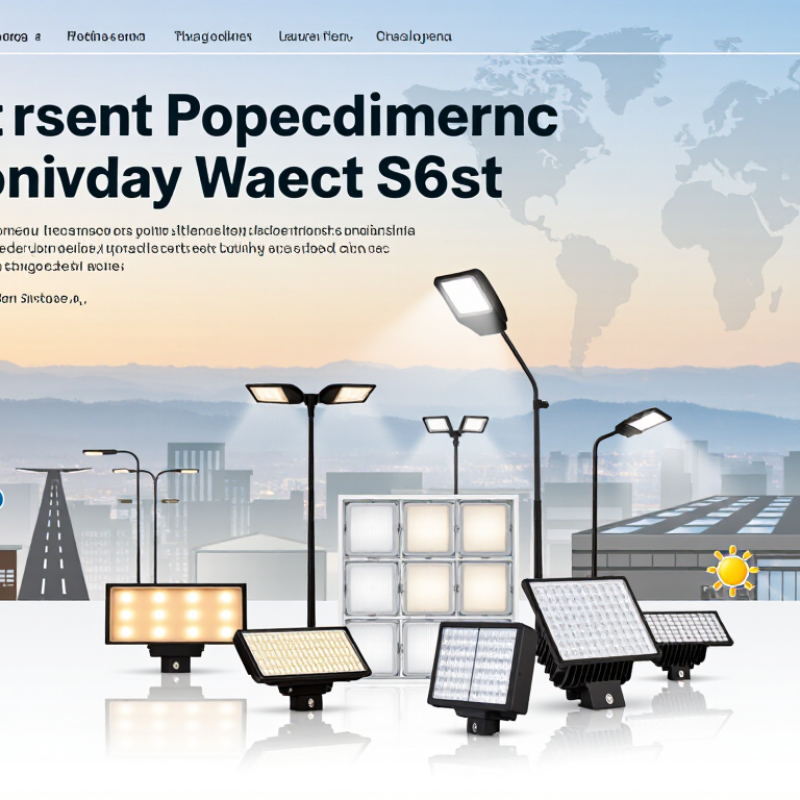
Choosing lighting for a global project requires more than comparing wattage and prices. A capable supplier should offer LED floodlights, street lights, high-bay fixtures, linear systems, and smart controls for different environments. Ask for photometric files, installation guides, test reports, and clear warranty terms. These documents support better decisions and reduce costly changes during construction.

Tips: Check beam angles, lumen maintenance, color temperature, CRI, IP ratings, IK ratings, and operating voltage. Confirm whether the supplier can support DIALux or Relux simulations. Review samples under real conditions, especially in warehouses, coastal areas, and hot climates. A product may look excellent in a showroom but perform differently on a dusty site.

Global project capability also depends on communication and execution. Look for technical support across time zones, stable production capacity, quality inspections, spare-part planning, and export experience. Ask how packaging protects fixtures during long-distance transport. Confirm local compliance requirements before placing an order. I would not assume one specification fits every country. That assumption can create delays. Even experienced teams miss small details, such as connector types or emergency lighting requirements. A reliable partner welcomes these questions, records revisions, and provides practical answers instead of vague promises._久久爱

Evaluating Lighting Requirements for Different International Applications

How to Choose Shineway Lighting for Global Projects?

Evaluating Lighting Requirements for Different International Applications

Start with the application, not the fixture. A coastal resort needs corrosion resistance, warm color temperatures, and careful glare control. A warehouse may require high uniformity, motion sensors, and strong vertical illumination. Offices often need low-glare optics, comfortable brightness, and suitable color rendering for long working hours. Each space tells a different story.

Climate and electrical conditions also shape the decision. Check ambient temperature, humidity, dust, voltage, frequency, and installation height. An outdoor project in Singapore may face heavy rain and heat. A cold logistics center in Northern Europe may demand stable performance below freezing. Review IP and IK ratings against local risks, not just catalog figures. Small details matter.

Compliance should be verified early. Request photometric files, test reports, warranty terms, and maintenance guidance. Confirm that products match local electrical and safety requirements. A qualified lighting designer should review lux levels, glare, emergency lighting, and energy targets. Site measurements are valuable. Drawings can be wrong.

A supplier’s experience should be visible in its process. Can it provide samples, installation advice, and consistent color performance across batches? Can it explain failures without hiding behind technical language? These questions reveal reliability. I have seen projects over-specify wattage while ignoring glare and access for maintenance. More light was not better. The original plan looked complete, but field conditions proved otherwise. Allow room for testing, adjustment, and honest reconsideration.

How to Choose Shineway Lighting for Global Projects? - Evaluating Lighting Requirements for Different International Applications
International Application Typical Electrical Conditions Recommended Lighting Characteristics Environmental Requirements Control and Compliance Considerations Key Evaluation Metrics
European Offices and Commercial Buildings 220–240 V AC
50 Hz
Common lighting control: DALI or 1–10 V
3500–4000 K for general work areas
CRI ≥ 80; CRI ≥ 90 for design-focused spaces
Low-glare optics with UGR ≤ 19 where required
Indoor products commonly use IP20–IP44
Operating temperature typically 0–40°C
Flicker-controlled drivers are preferred
Check CE conformity and applicable EN/IEC requirements
Consider RoHS and energy-efficiency documentation
Provide emergency-lighting options where local codes require them
Illuminance target: commonly about 300–500 lux for offices
Low standby power
Long rated life and easy ceiling maintenance
North American Warehouses and Logistics Centers 120/208/240 V AC or 277/480 V AC
60 Hz
0–10 V dimming is widely used
4000–5000 K for high-bay applications
High-output LED systems with suitable beam angles
Occupancy and daylight sensors for zoning
IP54 or higher for dusty areas
IP65 or higher where water jets or heavy dust are present
Select products rated for the actual ambient temperature
Verify UL or ETL certification when required by the project
Check local energy codes, such as controls and power-density limits
Emergency and backup-power requirements may apply
Typical warehouse illuminance: about 150–300 lux
High efficacy, often evaluated in lumens per watt
Uniformity, glare control, and mounting height compatibility
Tropical Southeast Asian Manufacturing Plants Commonly 220–240 V AC
50 Hz
Three-phase distribution may be used for large facilities
4000–6500 K depending on task and heat perception
CRI ≥ 80 for general production
Robust drivers suitable for voltage fluctuations
High humidity and condensation resistance are important
IP65–IP66 for exposed industrial areas
Use corrosion-resistant housings in coastal locations
Confirm local electrical approvals and installation practices
Use surge protection where lightning activity is significant
Emergency operation should be coordinated with the site system
Typical production-area illuminance: about 300–750 lux
Thermal performance, lumen maintenance, and cleanability
Protection against surge, moisture, and corrosion
Middle Eastern Outdoor Roads and Public Areas Commonly 220–240 V AC
50 Hz
Photocells, timers, and centralized controls are common
3000–4000 K for public comfort and visual guidance
Precisely controlled roadway distributions
High-efficiency luminaires with replaceable surge protection
IP66 or higher for outdoor luminaires
High ambient-temperature ratings, often 50–55°C or above when specified
UV-resistant and dust-resistant materials
Verify local roadway, electrical, and glare requirements
Use suitable surge protection, commonly evaluated at 6–10 kV or higher
Confirm corrosion resistance for coastal or saline environments
Roadway illuminance or luminance according to the road category
Uniformity, disability glare, and upward light control
Performance under dust, heat, and direct solar exposure
Australian Retail and Public Buildings 230 V AC
50 Hz
DALI, 1–10 V, and smart-building protocols may be specified
3000–4000 K for retail and public interiors
CRI ≥ 80; higher CRI for merchandise presentation
Adjustable optics or track-mounted solutions where flexibility is needed
Select IP ratings according to indoor or outdoor exposure
Use UV-stable materials for sunlit locations
Consider high-temperature ceilings and enclosed mounting conditions
Check applicable Australian and New Zealand electrical requirements
Confirm emergency-lighting compatibility and documentation
Provide photometric files for lighting calculations
Visual comfort, color consistency, and retail display quality
Energy use per area and controllability
Maintainable design with accessible drivers and components
Japanese Offices and Transit Facilities 100 V AC is common
Frequency varies by region: 50 Hz in eastern areas and 60 Hz in western areas
Compact equipment and reliable controls are important
3500–5000 K according to application
Low-glare, low-flicker performance for extended occupancy
Compact luminaires with precise distribution
Indoor IP20–IP44 is common
Higher IP ratings for platforms, service areas, and exposed locations
Select products for vibration where transit infrastructure requires it
Confirm compatibility with the local frequency and electrical approvals
Coordinate with emergency, fire, and building-management systems
Check seismic and installation requirements for the site
Typical office illuminance: about 300–750 lux depending on the task
Flicker, glare, uniformity, and acoustic comfort
Compact installation depth and maintenance access
Cold-Climate Warehouses and Infrastructure Voltage and frequency depend on the country
Drivers should be selected for the actual supply range
Emergency systems may require dedicated battery or central backup
4000–5000 K for active work zones
Fast start and stable output at low temperatures
Wide operating voltage range and reliable driver protection
IP65 or higher for condensation-prone areas
Confirm operation below 0°C, such as −30°C where required
Use anti-corrosion finishes for snow, salt, and de-icing environments
Verify cold-start performance and cable-gland suitability
Consider surge protection for exposed infrastructure
Confirm local emergency-lighting and industrial safety requirements
Light output at minimum ambient temperature
Lumen maintenance, driver reliability, and condensation resistance
Uniformity across high-bay aisles and loading areas
Global Project Selection Checklist Confirm nominal voltage, frequency, inrush current, and power factor
Allow for regional supply tolerances and site-specific conditions
Define CCT, CRI, lumen output, beam angle, glare limit, and color consistency
Request photometric files for simulation before final selection
Match IP, IK, ambient-temperature, corrosion, and UV requirements to the site
Review mounting method, cable entry, and cleaning conditions
Confirm required certifications, local approvals, controls, emergency operation, and warranty terms
Ensure all documents are available in the project language
Evaluate total cost of ownership, energy consumption, maintenance intervals, spare parts, and expected service life
Compare performance using consistent test conditions

Checking Quality Standards, Certifications, and Technical Compliance

Selecting lighting for a global project requires more than comparing brightness and price. Quality standards should match the installation environment, local regulations, and long-term maintenance plan. Check whether products comply with recognized safety, electromagnetic compatibility, and environmental requirements. Certifications matter, but their scope matters more.

Ask for current certificates, test reports, and the issuing laboratory’s accreditation details. Confirm that the documents identify the exact model, not only a similar product family. Review ingress protection ratings for outdoor areas, impact ratings for public spaces, and insulation performance for humid locations. Photometric files should show beam angle, lumen output, color consistency, and testing conditions.

Technical compliance can fail in small details. Verify voltage range, frequency, surge protection, dimming protocols, emergency operation, and connector types before approval. For projects across several countries, compare these features with local electrical codes and energy-efficiency rules. A product may pass one market’s requirements but need additional assessment elsewhere.

I have seen projects delayed because a certificate covered a driver, not the complete luminaire. That mistake was expensive. It also exposed a weak review process. Request samples and inspect wiring labels, seals, screws, and installation instructions. Keep a document register with revision dates and factory quality records. No process is perfect. Site conditions can still reveal problems that laboratory tests miss.

Comparing Customization, Energy Efficiency, and Installation Support

Choosing Lighting for Global Projects: Customization, Efficiency, and Installation Support

Global lighting projects rarely succeed with standard products alone. A warehouse in Dubai may need high-temperature performance, while a coastal site requires stronger corrosion resistance. Custom beam angles, housing finishes, mounting systems, and control interfaces should match the building and its environment. Requesting photometric files and sample units can reveal problems before mass production. Small details matter.

Energy efficiency should be measured beyond the advertised wattage. Compare delivered lumens, light distribution, lifespan, driver performance, and expected maintenance costs. A fixture with lower power may create uneven lighting and require more units. That is not always efficient. Check testing reports, warranty terms, and compatibility with local control systems, such as DALI or 0–10V. Regional voltage and certification requirements also need careful review.

Installation support can determine whether a good design works on site. Clear wiring diagrams, labeling, mounting templates, and multilingual manuals reduce mistakes. Remote commissioning assistance is valuable when contractors work across time zones. However, support promises should be tested. Ask who responds, how quickly, and what spare parts are locally available. A useful lesson from project reviews is simple: specifications often look complete until installers face an unexpected ceiling condition. Flexible advice and practical documentation can prevent costly revisions.

Selecting Shineway Lighting Through Cost, Logistics, and After-Sales Service

Choosing lighting for an international project requires more than comparing unit prices. Total cost includes energy, freight, installation, maintenance, and replacement stock. The U.S. Department of Energy reports that LED products use at least 75% less energy and can last up to 25 times longer than incandescent lamps. Those figures support lifecycle costing, but only when performance claims match real site conditions. Humidity, dust, switching frequency, and voltage instability can change the result.

Logistics deserves equal attention. The World Bank’s 2023 Logistics Performance Index assessed 139 economies across customs, infrastructure, shipments, and tracking. For lighting projects, reliable delivery means clear packing lists, accurate product codes, protected drivers, and spare parts shipped with the main order. A damaged optic can delay ceiling work for weeks. I have seen teams focus on the factory price and overlook port storage, local handling, and replacement lead times. That is an expensive blind spot.

After-sales service should be measurable. Ask for response-time targets, test reports, installation guidance, and a documented warranty process. A useful supplier can provide photometric files, wiring instructions, and remote troubleshooting before the first failure occurs. Communication matters. One missed revision can create dozens of mismatched fixtures. The process will not be perfect. Project teams should still record failures, review claims, and improve specifications for the next shipment.