2026 Best Tungsten Filament Options for Superior Lighting Solutions?
In the world of lighting solutions, Tungsten Filament bulbs stand out for their unique qualities. They produce a warm, inviting glow that enhances the ambiance of any room. These bulbs are often sought after for their superior color rendering capabilities. Many people find the soft light of Tungsten Filament to be far more flattering than that of LED or fluorescent options.
However, not all Tungsten Filament bulbs are created equal. Some may lack durability, while others may not provide the brightness levels you want. Finding the best options requires careful consideration. You may need to experiment with different brands and styles to discover what works best for your space.
As we explore the best Tungsten Filament options for 2026, it’s essential to reflect on what matters most to you. Is it longevity, energy efficiency, or aesthetic appeal? Each choice comes with its pros and cons. Taking time to evaluate these aspects will guide you toward superior lighting solutions that truly meet your needs.
Overview of Tungsten Filament Technology and Its Benefits
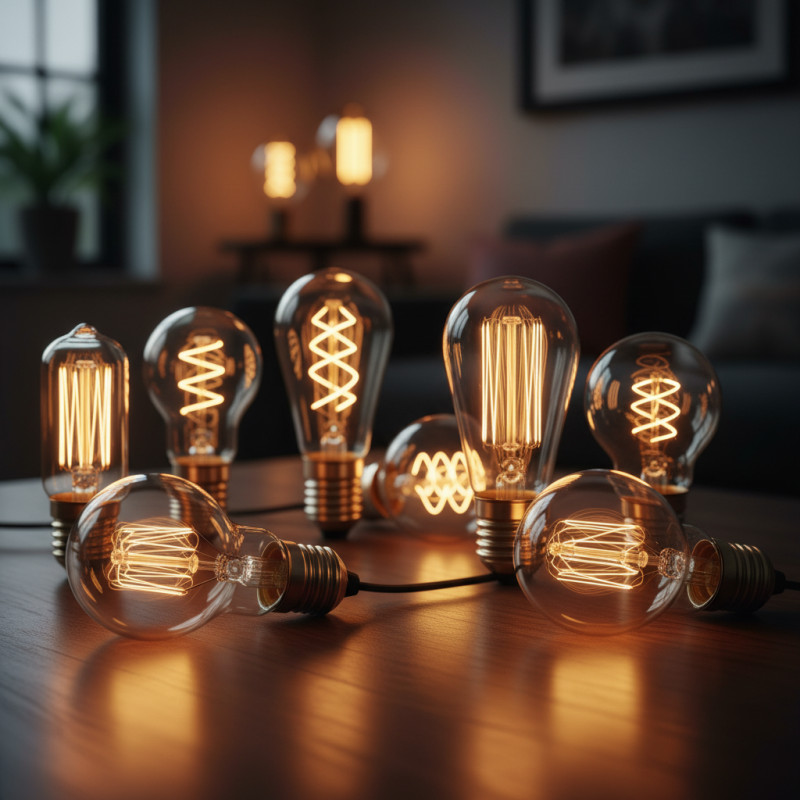
Tungsten filament technology offers unique advantages in the lighting industry. It stands out for its warm color temperature and high color rendering index (CRI). A CRI of over 90 is typical for tungsten bulbs, providing vibrant and true-to-life colors. This feature is essential for settings where accurate color differentiation is crucial.
In terms of efficiency, tungsten filaments convert electrical energy into light with compelling efficiency. Reports indicate that tungsten-based lighting can deliver over 15 lumens per watt. This output is less than LED options, yet the quality of light remains a key attraction. The challenge lies in balancing efficiency and light quality. Users often desire softer, more inviting lighting, reflecting natural daylight.
Durability is another consideration. Tungsten filaments typically have a lifespan of around 1,000 hours. This lifespan is shorter compared to modern LEDs, which can last 25,000 hours. However, some still prefer tungsten for its aesthetic qualities and warmth. Discussions around energy usage and lifecycle impacts are ongoing. The industry must reflect on how these factors influence consumer choice and sustainability goals.
2026 Best Tungsten Filament Options for Superior Lighting Solutions
| Bulb Type |
Wattage |
Lumens |
Color Temperature (K) |
Lifespan (Hours) |
Dimmable |
| Standard A19 |
60W |
800 lm |
2700K |
1000 hrs |
Yes |
| Candelabra E12 |
40W |
450 lm |
3000K |
750 hrs |
Yes |
| Vintage Globe |
25W |
200 lm |
2000K |
500 hrs |
No |
| Decorative Bulb |
60W |
800 lm |
2400K |
800 hrs |
Yes |
| PAR38 |
90W |
1200 lm |
3000K |
1000 hrs |
Yes |
Key Features to Consider When Selecting Tungsten Filaments
When selecting tungsten filaments, consider key features that impact performance. The filament's wattage is crucial.
Higher wattage means brighter light but also increases heat. Ensure your fixture can handle the wattage.
This prevents overheating and prolongs bulb life.
Another vital aspect is color temperature. Tungsten filaments typically emit
warm light, ideal for cozy spaces. However, projects may require different temperatures.
Look for options that provide a range of color temperatures, catering to various settings and moods.
Tip: Always check compatibility with your fixtures. Some may not work with specific filaments.
Testing in small batches will save time and money.
Durability is also important. Tungsten filaments can be fragile. Quality matters here.
A well-made filament resists breakage during installation. Reflection on your choices is essential. Sometimes, picking the cheapest option results in
poor lighting quality. Balance cost with performance for better outcomes.
Top Brands and Products: A Review of 2026's Best Options
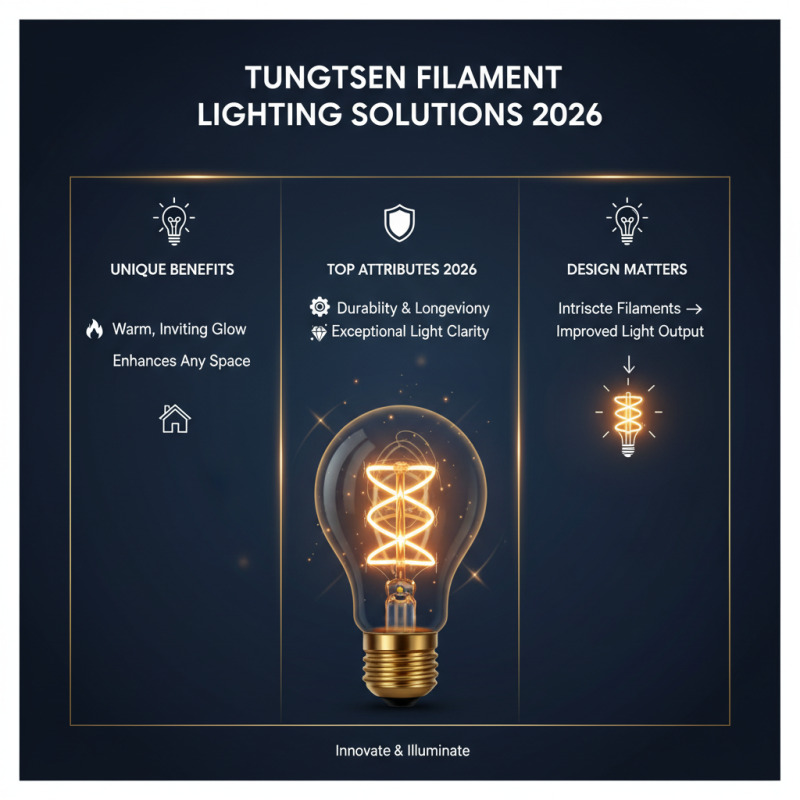
When it comes to lighting solutions, tungsten filaments offer unique benefits. These filaments provide a warm, inviting glow that enhances any space. In 2026, several options stand out for their quality and performance. The best products focus on durability and light clarity, essential for both functional and aesthetic purposes. Many people overlook the importance of the filament’s design. An intricate design can significantly improve light output.
With a variety of choices, it’s easy to get lost in features. Some filaments boast longer lifespans, while others prioritize energy efficiency. Consider what matters most. Are you looking for longevity or a richer hue? Even the type of glass covering can alter the light's effect. It's crucial to explore and test different options before deciding.
Tungsten filament lights are not without flaws. They can be more expensive compared to other options. Sometimes, finding the right fit requires patience and trial. However, the benefits often outweigh drawbacks. Quality lighting transforms the atmosphere of any room, making the investment worthwhile. Take time to reflect on what lighting truly brings to your space.
Comparative Analysis of Tungsten Filament vs. Other Lighting Solutions
When analyzing tungsten filaments, we see distinct advantages over other lighting solutions. Tungsten filaments produce a warm, inviting glow that simply can't be matched. The light quality is excellent, resembling natural sunlight. This feature is essential for spaces where ambiance is vital, like living rooms or dining areas.
In contrast, LED lights often emit a harsher light. While they consume less energy, the quality sometimes sacrifices warmth. CFLs can be even worse, flickering and taking time to reach full brightness. Tungsten, however, lights up instantly. Its dimmable nature offers flexibility for mood setting.
Yet, there are downsides to consider. Tungsten bulbs are less energy-efficient and have shorter lifespans. They generate more heat, raising concerns about safety in closed spaces. Despite their superior light quality, these factors require thoughtful consideration. Understanding the balance between comfort and practicality is key when choosing lighting solutions.
2026 Best Tungsten Filament Options for Superior Lighting Solutions
This chart compares the average lifespan of various lighting solutions in years, highlighting the longevity of tungsten filament bulbs against LED, CFL, and Halogen options.
Tips for Optimal Usage and Maintenance of Tungsten Filaments
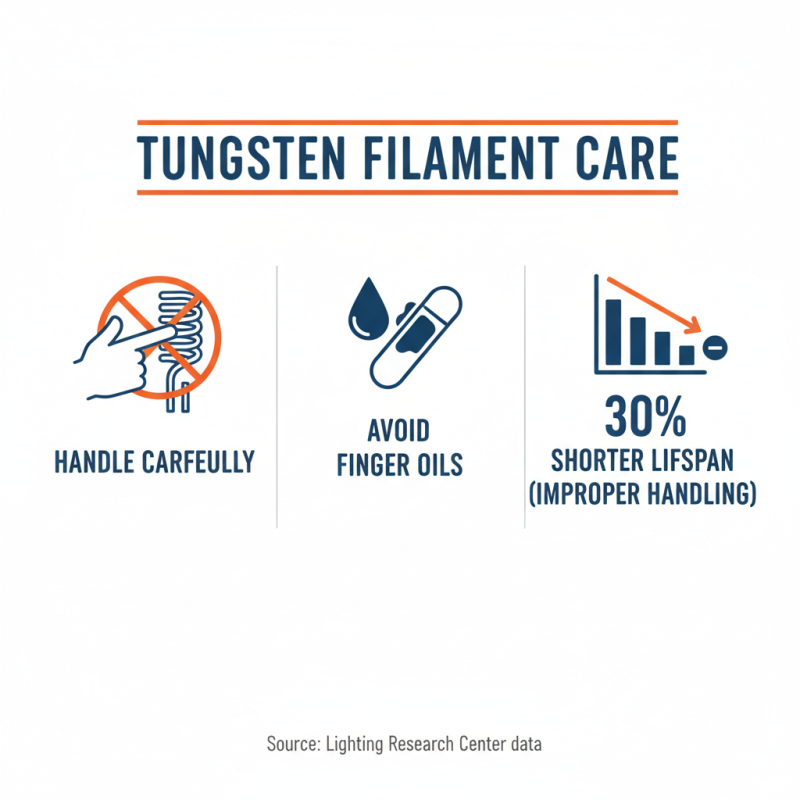
When it comes to tungsten filaments, proper usage and maintenance are crucial for optimal performance. Many users overlook the importance of handling these delicate components carefully. According to industry data from the Lighting Research Center, improper handling can reduce the lifespan of filaments by 30%. This makes it vital to minimize contact with oils from fingers, as these can create hot spots and reduce efficiency.
To maximize your tungsten filament's lifespan, store bulbs in a cool and dry environment. Protect them from fluctuations in temperature and humidity. Regular inspection for any signs of wear or damage can help identify issues before they lead to failure. It's also essential to use appropriate voltage levels. Overvoltage can lead to rapid degradation.
Cleaning the bulbs with a soft, dry cloth can also enhance performance. However, avoid using harsh chemicals, as they may cause adverse reactions. Lightly brushing off dust can maintain their brightness. Remember, even small details in maintenance can lead to significant improvements in lighting quality. These practices reflect attention to detail that many users overlook, often leading to poorer outcomes than expected.