Best Lamp Socket Types for Every Lighting Need?
When it comes to lighting, choosing the right lamp socket is essential. Different lamp sockets serve specific purposes. Understanding these types can greatly enhance the functionality and aesthetic of your space.
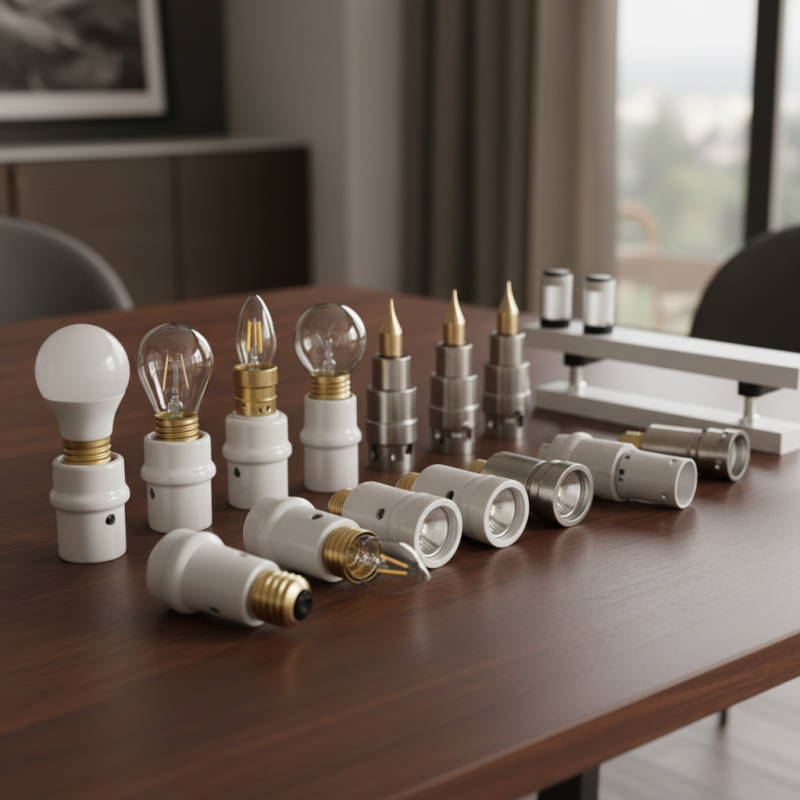
There are various lamp socket types available. Each type supports different bulb sizes and wattages. For instance, standard E26 sockets are common in homes. They fit a variety of light bulbs easily. However, not all sockets are ideal for every lighting situation.
Some may find the options overwhelming. The wrong choice can lead to compatibility issues. It's not just about looks; it's performance too. A poorly matched lamp socket might cause flickering or even bulb failure. By exploring the best lamp socket types, you can find the perfect fit for your lighting needs. Understanding this can make a significant difference in your lighting experience.
Understanding Different Lamp Socket Types
Understanding different lamp socket types is essential for choosing the right lighting for your space. Various sockets are designed for unique bulbs and fixtures. For example, the standard E26 socket is widely used in homes. It fits most common light bulbs. This type is versatile and supports many lighting styles.
On the other hand, smaller sockets like E12 are often used for decorative fixtures. These small bulbs add charm to chandeliers and sconces. However, many people overlook their compatibility with certain lights. Sometimes, the base you need isn’t readily available.
Then there are specialized sockets like GU10 or MR16, often seen in track lighting. They provide direction and focus, which can enhance a room's ambiance. Yet, they may not always be the best choice for every environment. It's important to consider the overall aesthetics and functionality of your lighting. Proper knowledge of lamp sockets can lead to a more satisfying lighting experience.
Common Socket Types and Their Applications
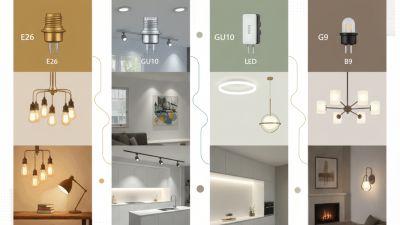
When it comes to lighting, choosing the right lamp socket type is crucial. The most common sockets include E26, E27, and GU10. E26 is the standard in the U.S. It fits many household bulbs, making it versatile. E27 serves a similar purpose globally, but differences exist in bulb fittings. GU10, on the other hand, is used mainly for spotlights and downlights. It has a unique twist-lock mechanism. This feature helps in the quick exchange of bulbs, but is sometimes tricky for beginners.
Another common socket type is the B22, often used in the UK and Commonwealth countries. It features a bayonet-style fitting. This socket can be cumbersome for some users, as it requires a bit of force to insert or remove bulbs. The MR16 socket, typically used in low-voltage applications, also deserves mention. It's common in track lighting. Although it’s efficient, changing bulbs can be frustrating due to the tight spaces often involved.
Navigating these options can be challenging, particularly for those not familiar with electrical fixtures. Each socket type has specific advantages and drawbacks. Those with less experience might find themselves overwhelmed. Understanding the application is key. Picking the right socket means better performance and energy efficiency in your space. Choosing the wrong one might lead to flickering bulbs or unexpected outages. So, think carefully about your lighting needs.
Best Lamp Socket Types for Every Lighting Need
| Socket Type |
Description |
Common Applications |
Bulb Compatibility |
| E26 (Medium) |
Standard socket in North America, suitable for a wide range of bulbs. |
Table lamps, floor lamps, ceiling fixtures. |
Incandescent, LED, CFL. |
| E12 (Candelabra) |
Smaller socket for decorative lighting. |
Chandeliers, wall sconces, decorative lamps. |
Candelabra bulbs, decorative LED. |
| GU10 |
Twist-and-lock socket mainly for directional lighting. |
Spotlights, recessed lighting. |
Halogen, LED. |
| E14 (Small Edison) |
Compact socket for smaller fixtures. |
Wall lamps, decorative ceiling fixtures. |
Incandescent, LED, CFL. |
| B22 (Bayonet) |
Push-and-twist fitting common in Europe. |
Ceiling lights, outdoor fixtures. |
Incandescent, LED. |
Choosing the Right Socket for LED Lighting
When selecting a lamp socket for LED lighting, it's essential to consider compatibility. LED bulbs come in various shapes and sizes. Different sockets, like E26, GU10, or B22, cater to specific needs. An E26 socket is popular in households. It fits most standard LED bulbs. However, GU10 is great for focused lighting in track fixtures. This contrasts with traditional bulbs, which may not work efficiently in these newer sockets.
Compatibility isn't everything. Energy efficiency is also crucial. Many might overlook this when choosing a socket. An incompatible socket could lead to flickering or dimming lights. Yet, the right socket ensures optimal performance. It's puzzling how many still use outdated fixtures with new technology. This mismatch can waste energy and compromise illumination quality. Ensuring the right fit between the LED bulb and socket supports both brightness and longevity.
Best Lamp Socket Types for Every Lighting Need
This chart displays the popularity of various lamp socket types commonly used for LED lighting. The data reflects preferences based on usage in different settings.
Innovative Socket Designs for Modern Lighting Solutions
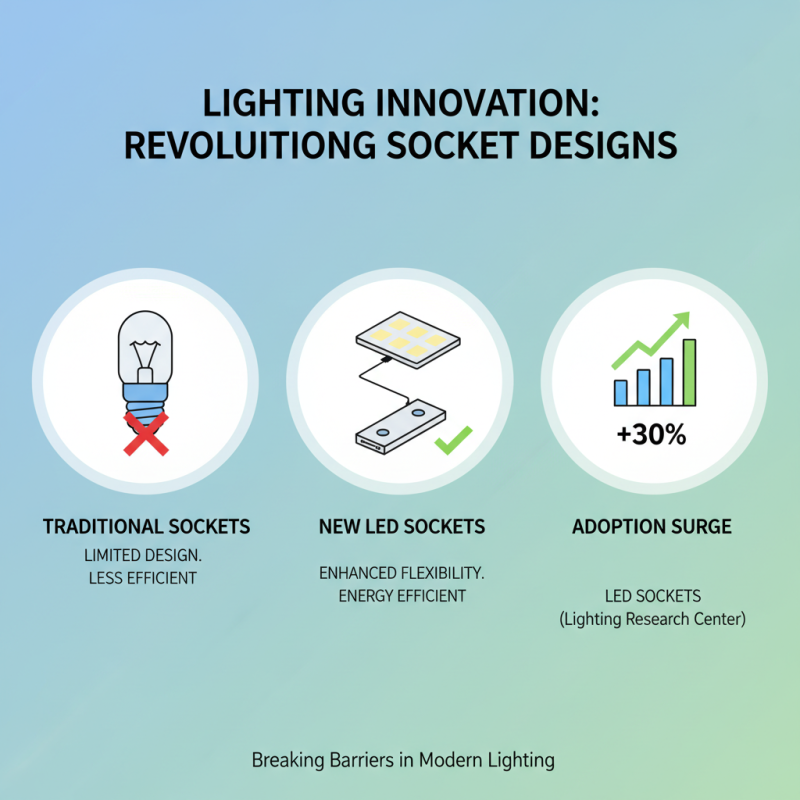
Innovative socket designs are revolutionizing modern lighting solutions. Traditional sockets often limit design potential. New types are breaking these barriers. A recent report by the Lighting Research Center noted that LED socket types have surged by 30% in adoption rates. These sockets enhance energy efficiency and flexibility.
The versatility of socket designs is crucial. For instance, smart sockets allow users to control lighting from their smartphones. They enable dimming and color changes, catering to various atmospheres. According to a study published in the Journal of Lighting and Technology, smart lighting solutions can reduce energy consumption by up to 40%. However, many still struggle to adopt these technologies fully.
Not all sockets are created equal. Specialty sockets, like GU10 or E26, cater to specific needs yet may not match everyone’s preferences. Designers often overlook the potential of integrating decorative elements with the socket itself. This leads to a disconnect between function and aesthetics. As the industry grows, rethinking socket designs will be essential for future innovations in lighting.
Safety Considerations for Lamp Socket Usage
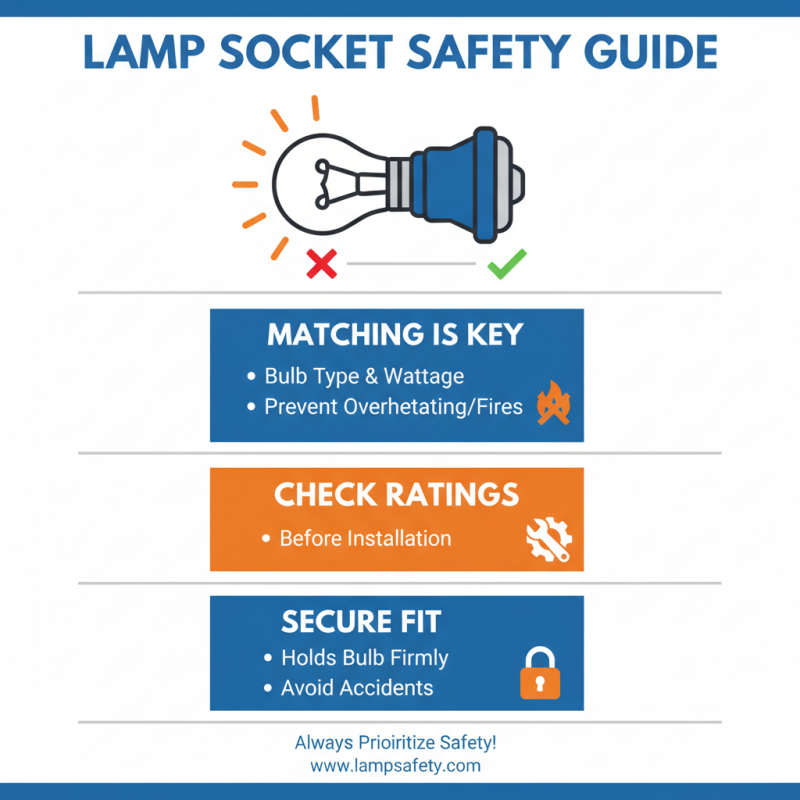
When selecting lamp sockets, safety is a crucial factor. The socket must match the bulb type and wattage. An incompatible combination can lead to overheating. Always check the watt ratings before installation. Improper connections might cause fires or electrical failures. Every socket should securely hold the light bulb to avoid any accidents.
It's vital to use the correct wiring techniques during installation. Poorly wired sockets can expose live wires, increasing the risk of shock. Additionally, ensure that the socket is appropriately grounded. Regularly check for signs of wear and tear, such as frayed wires or loose fittings. These issues can often go unnoticed until it’s too late.
Be cautious when replacing bulbs. Always turn off the power before touching the socket. Use insulated tools if possible. Sometimes, a simple task can lead to dangerous situations if ignored. Adhering to safety guidelines not only protects individuals but also extends the life of your lighting fixtures. Remember, safety first.