2026 Best Glass Bulb Types for Home and Garden Use?
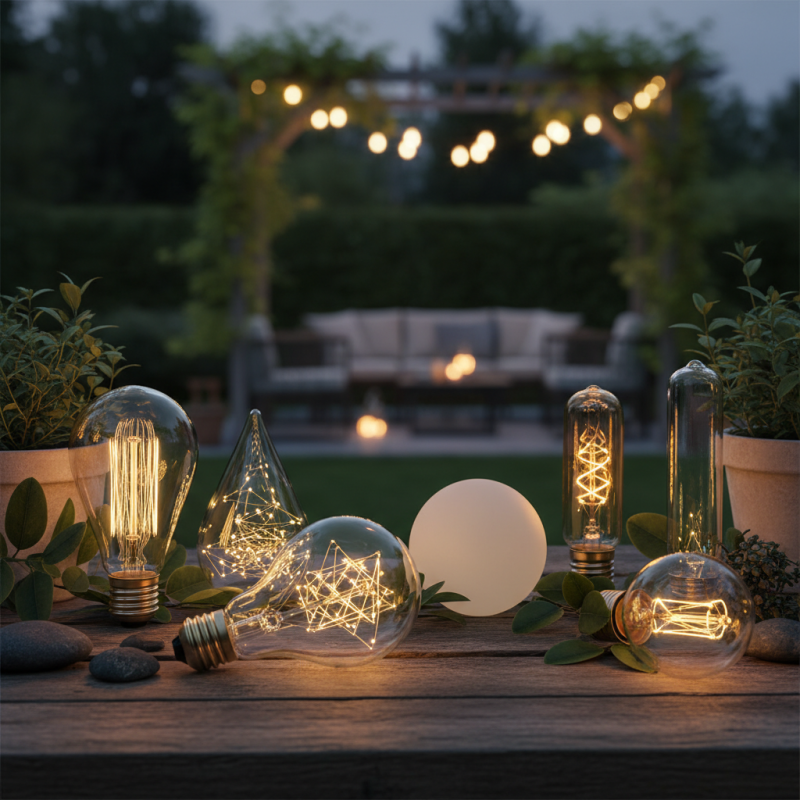
When it comes to home and garden lighting, Glass Bulbs play a significant role. They are not only functional but also stylish. With a variety of types available, choosing the best option can feel overwhelming. The right Glass Bulb can transform your space, adding warmth and character.
Consider how a specific Glass Bulb can enhance your garden's ambience. A vintage-style bulb may evoke a cozy vibe. However, choosing the wrong type can lead to a missed opportunity. You might find that some bulbs do not fit your fixtures properly or waste energy.
It's essential to reflect on your needs and preferences. Some may favor energy-saving options. Others might prioritize aesthetic appeal over efficiency. Ultimately, selecting the ideal Glass Bulb requires careful consideration. With so many choices, it's easy to see why this decision matters in creating your perfect environment.
Types of Glass Bulbs: A Comprehensive Overview for Home and Garden
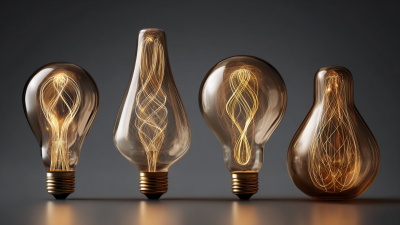
When choosing glass bulbs for home and garden use, there are various types to consider. Clear glass bulbs create a bright, crisp light. These bulbs can enhance your space with their transparency. Frosted glass bulbs offer a soft glow, providing a warm ambiance. They are great for cozy spaces.
For outdoor use, weatherproof glass bulbs are essential. They withstand various elements while delivering beautiful light. Antique style bulbs add a vintage touch. Their unique shapes attract attention in gardens. It's easy to overlook important features, such as wattage or installation requirements. These details can impact your overall lighting experience.
Different glass types also affect longevity. Some may shatter easily, while others last longer. The aesthetic results vary as well. Combining different styles allows for creativity. However, blending too many types could lead to chaos. It’s wise to reflect on your overall theme before making a decision.
2026 Best Glass Bulb Types for Home and Garden Use
| Glass Bulb Type |
Description |
Common Uses |
Color Temperature (Kelvin) |
Lifespan (hours) |
| Edison Bulb |
Retro-style bulb with exposed filament |
Home decor, cafes, restaurants |
2200K - 2700K |
1000 - 2000 hours |
| Globe Bulb |
Round bulb providing a 360-degree light |
Living rooms, restaurants, accent lighting |
2700K - 3000K |
1500 - 3000 hours |
| Vintage Bulb |
Decorative bulb with warm glow and antique feel |
Mood lighting, decorative fixtures |
2000K - 2500K |
1000 - 1500 hours |
| Twist Bulb |
Unique spiral design for efficient light |
Task lighting, decorative applications |
3000K - 4000K |
750 - 1000 hours |
| Frosted Bulb |
Soft diffused light with a frosted glass cover |
General lighting, ceiling fixtures |
2700K - 3500K |
1000 - 2000 hours |
Popular Glass Bulb Styles and Their Unique Features
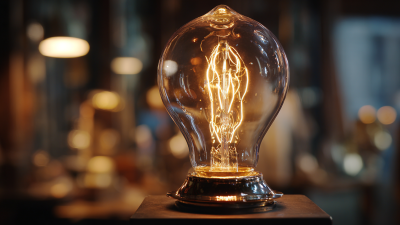
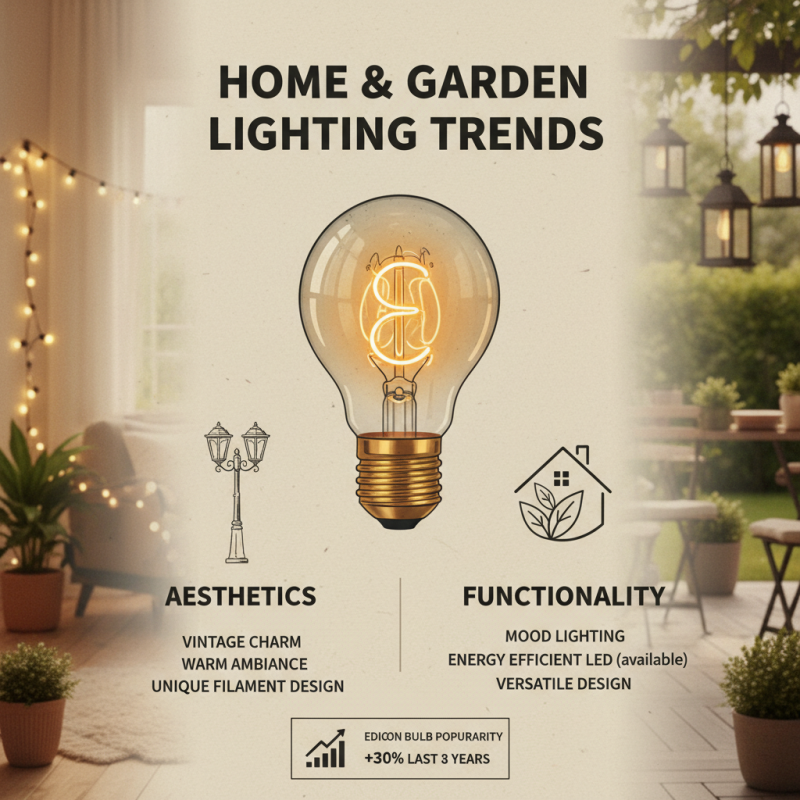
When considering glass bulb styles for home and garden use, aesthetics and functionality are key. Vintage-inspired Edison bulbs are wildly popular. They emit a warm glow and have a distinct, nostalgic charm. According to industry reports, Edison bulbs have surged in popularity, with sales increasing by over 30% in the past three years. Their unique filament design adds character, making them ideal for homes with a rustic feel.
Another favored option is globe bulbs. Their round shape allows for creative installations. The soft, diffused light works well in various settings, from kitchens to gardens. Data shows that globoids are a go-to for avant-garde design. However, they can create overly soft lighting, which may not be ideal for task-oriented areas. It's essential to balance style with practicality.
Additionally, smart glass bulbs, which connect to home networks, are gaining traction. They allow for adjustable colors and brightness. While convenient, they may require more time to set up. Some users report frustration in connecting these bulbs to their systems. As with any trending product, reflection on personal needs can guide effective purchases.
Energy Efficiency: How Glass Bulbs Impact Your Utility Bills
The choice of glass bulbs impacts energy efficiency significantly.
According to the U.S. Department of Energy, lighting accounts for 15% of residential energy use.
Switching to energy-efficient glass bulbs can lead to noticeable savings on utility bills. For instance, LED glass bulbs use up to 80% less energy than traditional incandescent bulbs.
In a recent study, replacing five incandescent bulbs with energy-efficient glass options reduced monthly costs by about $10.
This adds up to $120 annually, a sum that many homeowners deem substantial.
However, some might find initial costs high. Prices for quality glass bulbs can exceed traditional types, causing hesitation.
The luminous quality of glass bulbs is often praised. They emit a warm light, enhancing home aesthetics.
Yet, the longevity can sometimes fall short of expectations. Not all glass bulbs are created equal—some may not last as long as advertised.
This variability can lead to disappointment when measuring long-term savings and efficiency.
Choosing the Right Glass Bulb for Your Outdoor Spaces and Indoor Decor
When choosing glass bulbs for your home and garden, think about the space and atmosphere. For outdoor areas, select durable bulbs that can withstand weather changes. Look for options with a warm glow to create a cozy vibe in your garden. These bulbs can enhance the beauty of your plants at night.
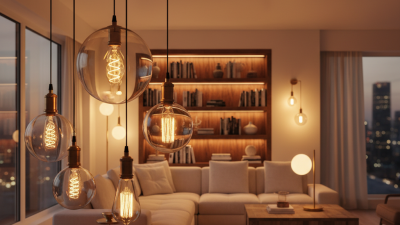
Indoors, glass bulbs can be stunning decor elements. They come in various shapes and sizes, giving you plenty of choices. A large, vintage-style bulb can be a conversation starter in your living room. But not every style fits every room. Consider the overall theme of your decor. Mismatched styles may clash and disrupt the flow. It's essential to reflect on how each piece contributes to your home's ambiance.
Remember that energy efficiency matters too. Some glass bulbs consume more power than others. This can lead to higher bills, which may not be ideal for everyone. Finding that balance between style and practicality is crucial. Your choice should complement your lifestyle, while fulfilling your design dreams.