Top 10 Benefits of Tungsten Filament for Global Buyers?
Tungsten Filament is transforming various industries with its remarkable properties and benefits. According to Dr. Emily Carter, a leading expert in materials science, “The advantages of Tungsten Filament go beyond just durability; they redefine performance standards.”
Tungsten Filament offers exceptional thermal resistance, which is crucial for high-temperature applications. Its strong structure ensures longevity and efficiency, making it a reliable choice. Users often report improved output in lighting solutions and electronic devices when utilizing Tungsten Filament.
However, not all buyers are aware of its full potential. Some may overlook its higher initial cost. This oversight can lead to long-term inefficiencies in production and energy consumption. Understanding the top benefits of Tungsten Filament is essential for savvy global buyers who aim for quality and sustainability in their projects.
Advantages of Tungsten Filament in Modern Lighting Solutions
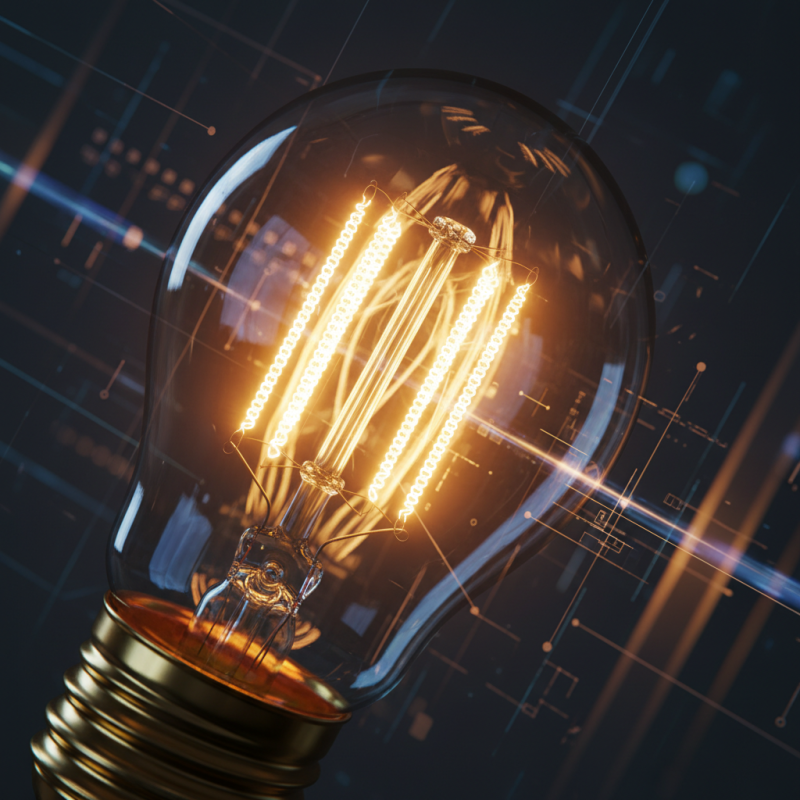
Tungsten filament has found its way into modern lighting solutions, appealing to global buyers for numerous reasons. One major advantage is its durability. Tungsten exhibits remarkable strength and resistance to high temperatures, which enhances the lifespan of light bulbs. This longevity reduces the need for frequent replacements, saving both time and money.
Another crucial benefit is its excellent light quality. Tungsten filament produces a warm, inviting glow that closely mimics natural sunlight. This quality is vital in various settings, from homes to commercial spaces. It helps create a comfortable atmosphere, ultimately affecting mood and productivity. However, relying solely on tungsten may limit creativity in lighting design, as there are other innovative options available.
Tungsten also has a high melting point. This property allows it to shine brightly and efficiently, providing more lumens per watt. Yet, energy consumption remains a challenge for some users. While tungsten is efficient, alternatives like LED are often more environmentally friendly. Buyers must weigh the advantages of tungsten against its limitations to make the best lighting choice.
Enhanced Durability and Longevity of Tungsten Filaments
The enhanced durability of tungsten filaments is a significant advantage for global buyers. Tungsten, with a melting point of 3,422 °C, outshines traditional materials like carbon. This exceptional heat resistance ensures longer operational life, which translates to cost savings over time.
According to a recent industry report, tungsten filaments can last up to 10 times longer than their carbon counterparts.
In high-stress environments, tungsten filaments perform exceptionally well. Their robustness helps maintain stability during fluctuations in temperature and energy output. This is crucial, as failures in lighting can lead to expensive downtime or product losses.
A study highlighted that systems using tungsten filaments reduced failure rates by 70%. Buyers benefit from peace of mind and reliable performance.
However, one must consider the challenges. While the durability of tungsten filaments is remarkable, their production process can be resource-intensive. This aspect raises questions about sustainability. Buyers should weigh the longevity benefits against environmental impacts. A balanced approach will yield the best outcome for both performance and ecological responsibility.
Energy Efficiency: Tungsten Filament in Comparison to Other Materials
Tungsten filaments are recognized for their impressive energy efficiency. Compared to materials like carbon or nickel, tungsten offers exceptional performance. It has a higher melting point, allowing it to operate at elevated temperatures. This feature reduces the energy waste commonly seen in other filaments.
In practical terms, this translates to longer-lasting lighting solutions. Tungsten filaments can produce more light for less energy. This efficiency contributes to lower electricity bills. However, the initial cost may raise concerns for some buyers. Investing in tungsten can mean higher upfront expenses, but the long-term savings often outweigh this.
It is crucial to consider how tungsten's density affects overall performance. The heavy nature of tungsten requires careful handling during manufacturing. This aspect might lead to waste during production. Reflecting on these challenges can guide buyers in making informed choices. The benefit of energy efficiency should be considered alongside these practical hurdles.
Versatility of Tungsten Filaments in Various Applications
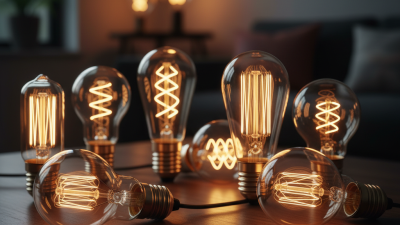
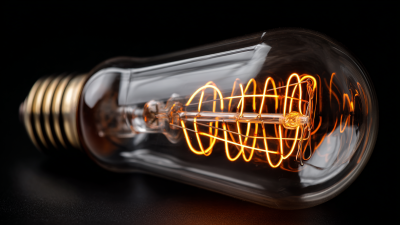
Tungsten filaments are renowned for their versatility across diverse applications, making them a valuable asset in several industries. Their ability to withstand high temperatures allows them to excel in lighting and electronic components. In incandescent lamps, tungsten filaments produce a warm glow, providing illumination in homes and streets. This high melting point also contributes to their longevity, reducing the need for frequent replacements.
Moreover, tungsten's unique properties extend to the aerospace and automotive sectors. It is used in engine components that operate under extreme conditions. Its density and durability make it suitable for vibration absorption in various mechanical systems. However, sourcing high-quality tungsten can sometimes be challenging due to global supply chain issues.
Tungsten filaments also find fault in certain applications. They can be brittle and sensitive to thermal shock. Designers and engineers must ensure the right conditions are maintained to prevent failures. Adapting to these limitations is crucial for maximizing their benefits. Embracing the full potential of tungsten requires constant innovation and rigorous testing to overcome these challenges.
Top 10 Benefits of Tungsten Filament for Global Buyers
Cost-Effectiveness of Tungsten Filaments for Global Buyers
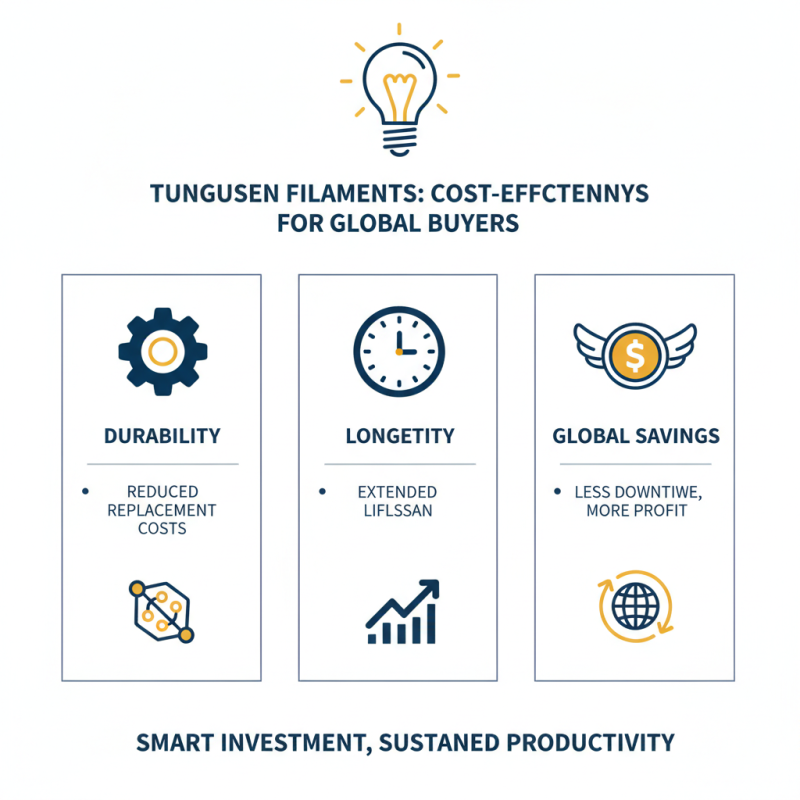
Tungsten filaments stand out for their cost-effectiveness in various industries. A recent industry report indicates that tungsten's durability significantly reduces replacement costs. These filaments have a much longer lifespan than traditional materials. This longevity saves both time and money. For global buyers, investing in tungsten means fewer interruptions in productivity.
The production costs for tungsten are competitive. According to market analysis, tungsten's thermal properties allow for high efficiency in energy consumption. Industries utilizing tungsten filaments report a 30% reduction in energy costs over time. Such statistics highlight the tangible benefits of switching to tungsten for energy-intensive applications.
Yet, the transition is not without challenges. Sourcing high-quality tungsten can require effort. Buyers should consider varying levels of purity, which affect performance. Some may experience inconsistencies in filament behavior. Research and due diligence in supplier selection are crucial. Overall, tungsten filaments offer impressive cost savings, but thoughtful implementation is necessary.